



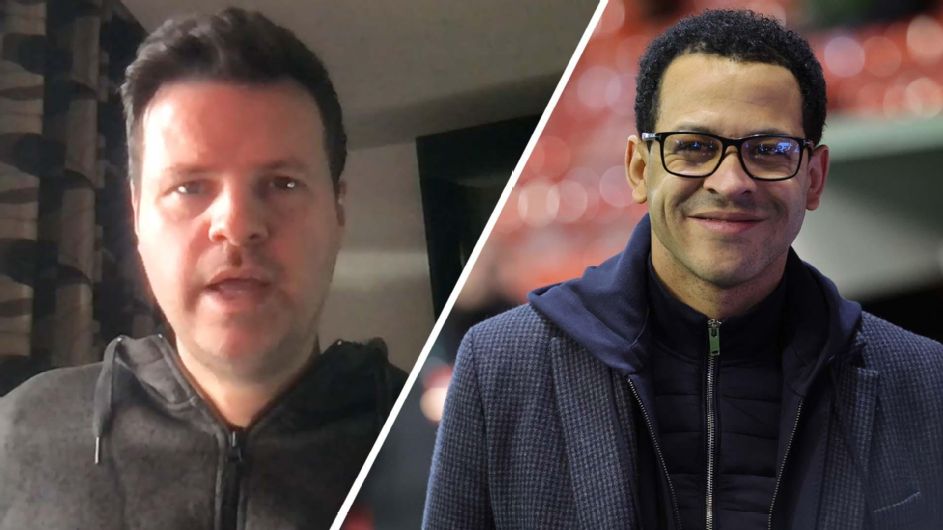
Chelsea FC has appointed Liam Rosenior as its new head coach, following the unexpected departure of Enzo Maresca on January 1, 2024. This marks the sixth managerial change under the ownership of BlueCo, a consortium that includes Todd Boehly and Clearlake Capital, since they took over the club in May 2022. Rosenior, previously the manager of Chelsea’s partner club, Strasbourg in Ligue 1, represents a significant shift in how top football clubs might approach managerial appointments.
Rosenior’s appointment underscores a growing trend in football whereby clubs are leveraging relationships within multi-club organizations (MCOs) to cultivate talent on and off the pitch. This method has primarily been seen with player transfers, as clubs like the Red Bull group have successfully developed a pathway for players moving through their network of teams. However, Rosenior’s ascent from a partner club to a major league manager is relatively unprecedented in elite football.
New Strategies in Managerial Appointments
With over 100 multi-club organizations existing in football today, there is an increasing move towards integrating managerial roles alongside player transfers. Chelsea’s strategy involves utilizing Strasbourg as a “farm team” where players and now a manager can transition between clubs. Currently, several Chelsea players, including Mike Penders and Kendry Páez, are on loan at Strasbourg, while others have made permanent moves to the Ligue 1 side. This interconnectedness allows Chelsea to streamline talent development and enhance team cohesion.
Rosenior’s move is not entirely isolated, though. The Red Bull organization has previously promoted coaches through its ranks, with notable examples like Jesse Marsch, who navigated from New York Red Bulls to RB Leipzig. In contrast, the practice of transferring managers within MCOs remains uncommon, particularly at elite levels.
Marsch highlighted the advantages of such a system, explaining, “When Todd Boehly bought the club, he must have interviewed just about every person I know in Red Bull about either coming to the club or what Red Bull’s processes were in developing a multi-club model.” He emphasized the importance of aligning not only playing styles but also the development of coaches within the system.
Challenges of Multi-Club Management
Despite the potential benefits, Rosenior’s elevation raises important questions about the feasibility of managing a multi-club system effectively. Marsch cautioned that football is fraught with inefficiencies, stating, “There are so many inefficiencies in football… just doing it within one club, let alone doing it in a multi-club system.” He noted that the emotional nature of football decisions often complicates the ability to implement long-term strategies.
Chelsea has already taken steps to bolster its managerial structure, appointing former Wolves manager Gary O’Neil as Rosenior’s replacement at Strasbourg. This move suggests O’Neil may also be considered a future candidate for Chelsea’s managerial position. However, the overarching question remains—can this new model successfully integrate managerial pathways in a way that benefits both clubs involved?
Fan reactions to Rosenior’s appointment have been mixed, particularly among Strasbourg supporters. They expressed concerns over Chelsea’s influence on their club, with the supporters’ federation labeling the move as “another humiliating step in Racing’s subservience to Chelsea.” This sentiment is not unique, as fans across various clubs have often voiced similar frustrations regarding the impact of MCOs on local teams.
As Chelsea navigates this new chapter under Rosenior, the football world will be closely watching to see if this bold strategy will yield positive results on the pitch and reshape the landscape of managerial appointments in elite football.