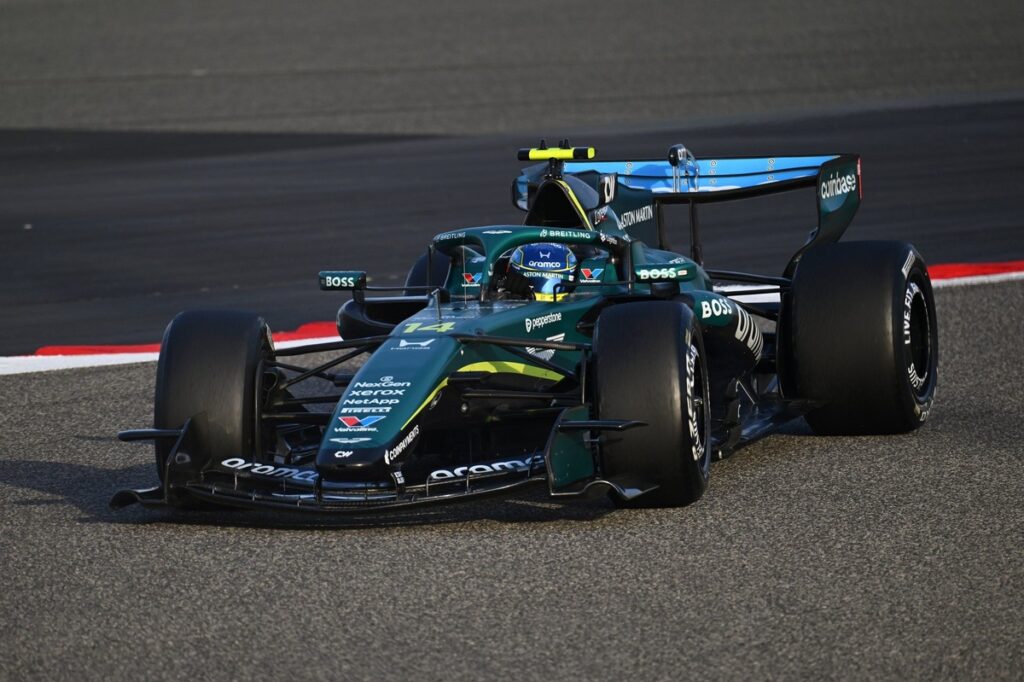
Fernando Alonso has revealed that Formula 1 drivers will need to navigate high-speed corners at speeds approximately 50km/h slower with the introduction of the 2026 cars. This significant adjustment is primarily due to new chassis and engine regulations that emphasize energy management over sheer speed.
The revised regulations incorporate a greater reliance on electric elements, compelling drivers to adapt their racing strategies. As Alonso explained, maximizing energy harvesting during deceleration has become critical in order to optimize performance. This shift marks a notable change in the dynamics of racing, where the balance between speed and energy efficiency is now more crucial than ever.
Understanding the Impact of New Regulations
The 2026 regulations are designed to enhance the sustainability of Formula 1, aligning the sport with broader global efforts to reduce carbon emissions. The introduction of hybrid power units requires drivers to be more strategic about their energy use. By collecting energy while decelerating, they can deploy it effectively when accelerating, but this requires careful calibration and restraint.
Alonso emphasized that this new approach fundamentally alters how drivers engage with their cars, particularly in high-speed corners where precision is paramount. The need to slow down significantly in these areas could lead to altered racing strategies, potentially affecting overtaking opportunities and overall race dynamics.
Furthermore, with the enhanced focus on energy management, teams will need to invest in sophisticated data analysis tools to assist drivers in optimizing their performance. This technological advancement will likely transform team strategies, making the role of engineers even more pivotal in race scenarios.
The Future of Formula 1 Racing
As Formula 1 gears up for the 2026 season, teams are already adapting their designs and strategies to meet the new challenges presented by these regulations. The sport’s evolution toward greater sustainability and efficiency will likely attract a new generation of fans who are conscious of environmental issues.
The implications of slower cornering speeds could also lead to more strategic racing, as drivers and teams adjust to the new normal. While the challenge is significant, it offers an opportunity for innovation in car design and racing techniques.
In conclusion, the shift towards slower speeds in high-speed corners signifies more than just a change in driving style; it reflects a broader commitment to sustainability and efficiency in Formula 1. As teams prepare for this new era, the excitement surrounding the 2026 season continues to build, promising a dynamic and strategic racing landscape.