FIFA has announced the introduction of mandatory mid-match advertising breaks, referred to as “hydration breaks,” for the upcoming World Cup. This decision marks yet another significant change under the leadership of President Gianni Infantino, who has been at the helm since 2016. The implementation of these breaks will effectively alter the traditional structure of football matches, transforming them from two halves into four quarters.
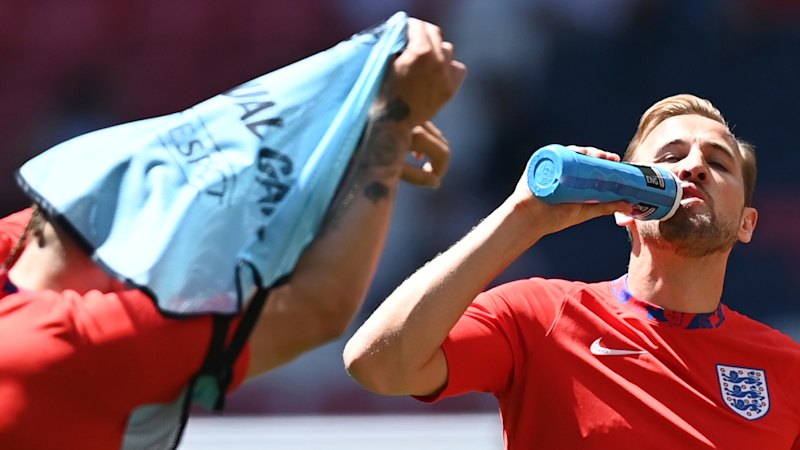
The World Cup will feature these three-minute breaks during each half of matches, regardless of the weather conditions. This change aims to address player welfare concerns, particularly in hot climates. FIFA has already established measures to combat extreme heat, including breaks when the Wet Bulb Globe Temperature exceeds 32 degrees Celsius. Yet, these new mandatory breaks will be enforced in all matches, including those held in cooler locations, such as Vancouver, Seattle, and San Francisco, where temperatures typically remain moderate even in summer.
FIFA’s decision follows a trend of gradual but impactful changes during Infantino’s presidency. The expansion of the World Cup to 48 teams and the introduction of the Video Assistant Referee (VAR) system in 2016 are notable examples of how the organization has evolved. Critics argue that these changes reflect a growing trend within FIFA to prioritize commercial interests over the integrity of the game.
The announcement of the advertising breaks was made during FIFA’s World Broadcaster Meeting, highlighting the financial implications of this decision. Former US international Alexi Lalas noted the timing, emphasizing that these breaks create additional opportunities for in-game commercials. Across the 104 matches of the tournament, this could translate to over 10 hours of additional advertising space, significantly boosting FIFA’s revenue.
While FIFA has framed the breaks as a measure to enhance player welfare and ensure equal conditions, skepticism persists. Critics question the authenticity of these claims, pointing out that the organization has the option to adjust match timings to more suitable evening slots to mitigate heat issues. Instead, FIFA appears to be prioritizing its commercial interests, potentially at the expense of the fluidity and excitement that characterizes football.
The potential financial benefits of this strategy are substantial. Infantino has likened the World Cup experience to that of “104 Super Bowls,” where advertising rates can reach exorbitant figures. Although projections for the value of these breaks may vary, estimates suggest they could contribute as much as $300 million in revenue to FIFA. This income is intended to support development initiatives across various national associations, including those in emerging football markets.
The introduction of these breaks marks a notable shift in FIFA’s approach to managing football matches. While the organization has historically resisted changes to match protocols, it now appears willing to adapt the rules to serve its financial objectives. The trend of “enshittification,” as it has been described, reflects a broader pattern in which products and services evolve primarily to maximize profit, often at the expense of consumer experience.
As the World Cup approaches, fans and stakeholders will be closely watching how this decision impacts the tournament’s dynamics. The balance between commercial interests and the integrity of the sport will remain a critical point of discussion as FIFA navigates this new era of in-game advertising.