



The upcoming 2026 season of Formula 1 is set to introduce a significant overhaul of regulations, incorporating new terminology and technology aimed at enhancing the sport’s sustainability and performance. The changes stem from a collaborative effort led by the FIA (Fédération Internationale de l’Automobile) to address environmental concerns while maintaining the high-octane excitement that defines F1.
With the introduction of hybrid power units, teams will transition to a system that combines traditional internal combustion engines with electric power. This shift is designed to improve efficiency and reduce overall carbon emissions. The new regulations also mandate the use of sustainable fuels, which are expected to play a crucial role in the sport’s commitment to achieving net-zero carbon by 2030.
Key Changes in Regulations
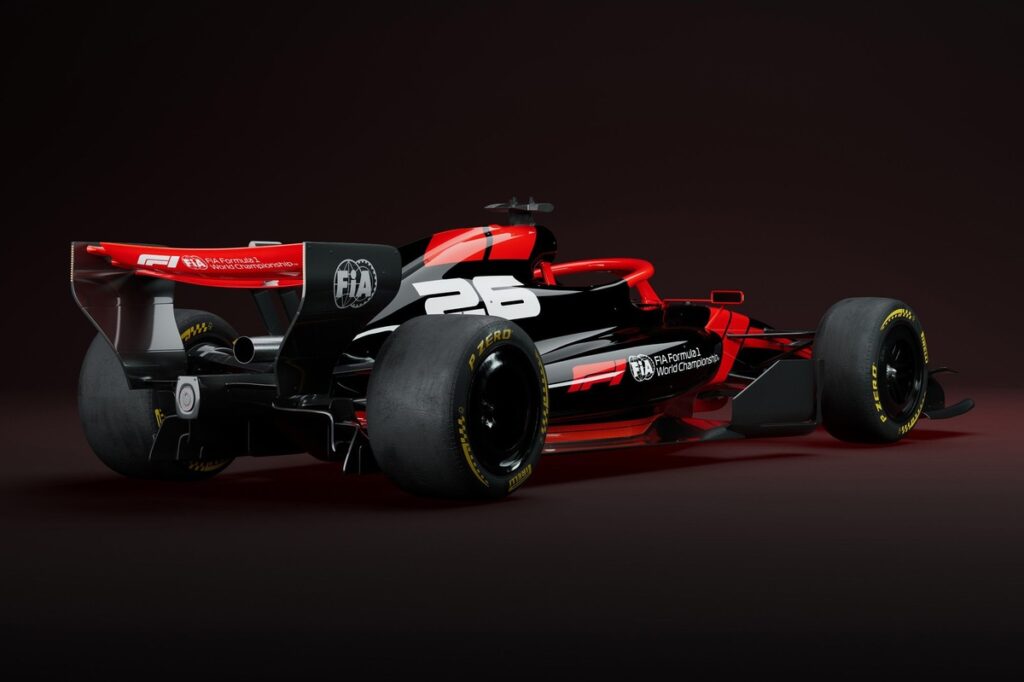
The regulations for the 2026 season will feature a revised aerodynamic framework that is intended to facilitate closer racing. This adjustment aims to enhance overtaking opportunities, making races more thrilling for fans. Teams will face challenges in adapting their designs to meet these new specifications, which could lead to varying performances as they navigate the evolving landscape.
Additionally, the 2026 season will introduce a new terminology that reflects these developments. Terms such as “power unit” and “sustainable fuel” will become commonplace as teams and fans alike adjust to the new lexicon. The aim is to create a clearer understanding of the technology and its implications for the future of the sport.
Concerns and Predictions
Despite the excitement surrounding these changes, there are concerns regarding the implementation process. Teams have expressed trepidation about the financial implications of transitioning to new technologies and the potential for uneven competition as some teams may adapt more quickly than others. Financial investment in research and development could lead to a significant disparity in performance during the initial stages of the 2026 season.
Critics are also cautious about the long-term impact of these regulations on the sport’s identity. Formula 1 has long been celebrated for its engineering prowess, and some worry that the push for sustainability may dilute the competitive edge that has defined the series. As teams prepare for this new era, balancing innovation with tradition will be crucial.
In conclusion, the 2026 Formula 1 season promises to usher in a new chapter, with regulations aimed at promoting sustainability and enhancing competition. While there are challenges ahead, the potential for innovation holds promise for a sport that continues to evolve in response to global demands. The adaptation to new terminology and technology will not only shape the future of Formula 1 but may also influence the motorsport industry as a whole.