

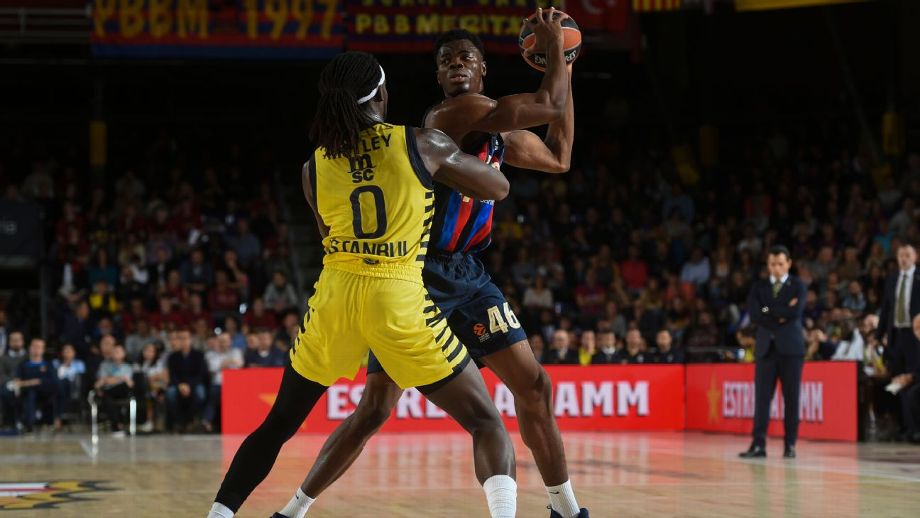
College basketball is witnessing a significant shift as teams increasingly recruit players who have entered the NBA draft, such as James Nnaji, a 21-year-old center who was selected 31st overall in the 2023 NBA Draft. Baylor University recently announced his signing, a move that has sparked debate about the rules governing college athletics. Nnaji, who has been playing professionally in Europe since 2020, is expected to join the Bears in time for Big 12 play.
The traditional structure of college basketball is under scrutiny as teams like Baylor, Oklahoma, and others are now signing players from European leagues mid-season. This trend raises questions about the integrity of amateurism in collegiate sports, a concept that many argue is outdated. Coaches and athletic directors have long clung to this notion, but the reality is shifting as players seek opportunities to earn a living.
Baylor’s coach, Scott Drew, defended the decision to add Nnaji, stating, “I just know they told us he can play, so I’m happy.” His comments reflect a growing acceptance among coaches of the need to adapt to the evolving landscape of college sports. Dan Hurley, head coach at Connecticut, humorously noted the situation, likening it to “Santa Claus delivering mid-season acquisitions.”
Legal Battles and Shifting Dynamics
The NCAA has faced mounting pressure from legal challenges regarding its policies on player compensation and eligibility. The pivotal moment came in 2009 when former UCLA player Ed O’Bannon filed a lawsuit against the NCAA, claiming that the organization profited from his likeness without compensation. This case culminated in a 2014 ruling that favored O’Bannon, effectively shifting public sentiment against the NCAA.
Despite the clear legal landscape, the NCAA has resisted change. Instead of adapting to new realities, it has poured resources into legal defenses and lobbying efforts to maintain its control over college athletics. The organization argued in front of the U.S. Supreme Court that college athletes should not be compensated for their participation, a stance that was met with skepticism. Justice Brett Kavanaugh stated in a 2021 opinion, “Nowhere else in America can businesses get away with agreeing not to pay their workers a fair market rate.”
This steadfast approach has led to a cascade of changes within college basketball, resulting in immediate eligibility for transfers and a surge of older players entering the system. The influx of experienced players from professional leagues is now commonplace, as seen with Nnaji’s signing, which raises the question of how colleges will manage player rosters moving forward.
The Future of College Sports
The path ahead for the NCAA and college basketball is fraught with uncertainty. As the landscape evolves, there is a growing consensus that the organization must recognize players as employees and engage with them in meaningful negotiations. Scott Drew articulated this need, stating, “To me, until we get to collective bargaining, there’s not going to be a solution.”
The old guard of college sports has struggled to accept this reality. The NCAA’s refusal to adapt to changing times has resulted in confusion and inconsistency in player eligibility. The introduction of mid-season signings from European leagues is just one facet of a much broader issue that college sports leadership will need to confront.
As teams continue to recruit players like Nnaji, the NCAA faces a crucial test of its authority and relevance. The traditional model of college athletics is at a crossroads, and how it navigates these challenges will shape the future of the sport. The current environment suggests that adaptation is not just necessary—it’s inevitable. As college basketball embraces these new dynamics, the implications for players, coaches, and institutions will be profound.