
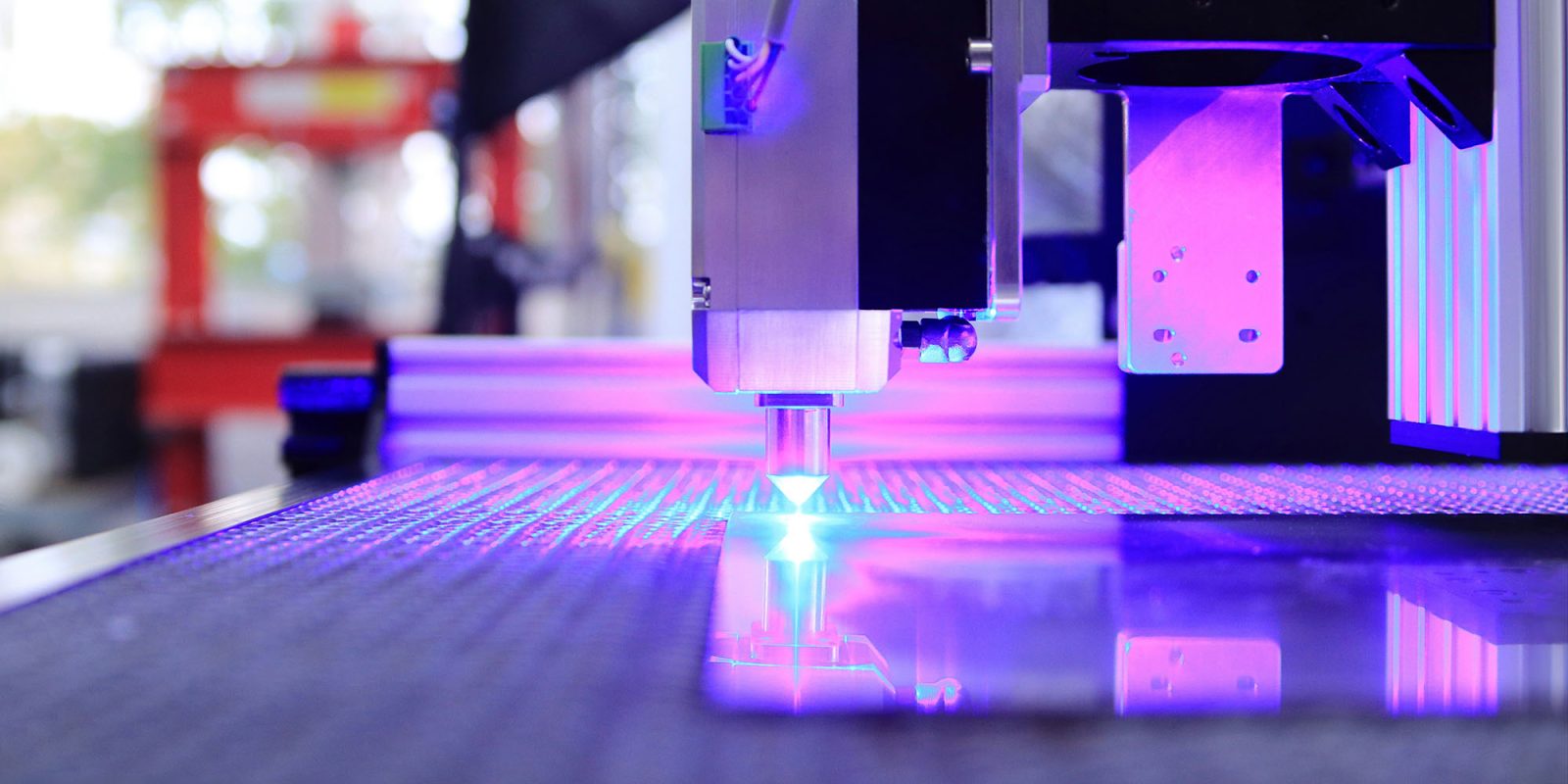



Apple has introduced innovative manufacturing processes for its latest devices, enhancing both efficiency and environmental sustainability. According to Molly Anderson, the hardware design lead at Apple, the company completely reimagined the manufacturing approach for the new MacBook Neo, resulting in a significantly improved use of materials.
The new techniques not only promise to reduce waste but also aim to lower production costs. Apple has previously highlighted its commitment to using recycled materials, and the latest MacBook has reportedly set a record in this area. Anderson noted that the new machining process for the MacBook Neo allows for a dramatic reduction in unused aluminum, addressing a critical issue that has plagued earlier models.
New Techniques for Enhanced Efficiency
Traditionally, Apple began with a rectangular piece of aluminum and machined it into shape, which created considerable offcuts. With the MacBook Neo, the company has adopted an approach that minimizes these offcuts. This not only conserves resources but also improves Apple’s profit margins. The reduction in waste is beneficial not just for the environment but also for Apple’s operational efficiency.
Anderson emphasized that the new process also shortens machining time, which is likely to cut down on power consumption during manufacturing. This aligns with Apple’s broader goal of reducing its carbon footprint while maintaining high standards of product quality.
Exploring 3D Printing for Future Devices
In addition to the changes in aluminum processing, Apple is exploring the use of 3D printing for the aluminum chassis of future iPhones and Apple Watch models. The company previously utilized this technique for the Apple Watch Ultra 3, where it successfully employed 100% recycled titanium powder, enhancing both material efficiency and sustainability.
Yet, 3D printing with aluminum presents significant challenges. The reflective and thermally conductive properties of aluminum complicate the 3D printing process, requiring extreme precision to avoid internal defects that can weaken the final product. Although this method is common in industries like aviation and automotive, its application in consumer electronics would mark a notable advancement for Apple.
If Apple can successfully integrate 3D printing into mass production of consumer devices, it would not only demonstrate a leap in manufacturing technology but also contribute positively to environmental goals.
In conclusion, Apple’s new manufacturing processes for the MacBook Neo and potential future devices like the iPhone and Apple Watch reflect a commitment to sustainability while also enhancing production efficiency. This dual focus on environmental responsibility and cost-effectiveness encapsulates a significant step forward for the tech giant, benefiting both its bottom line and the planet.