




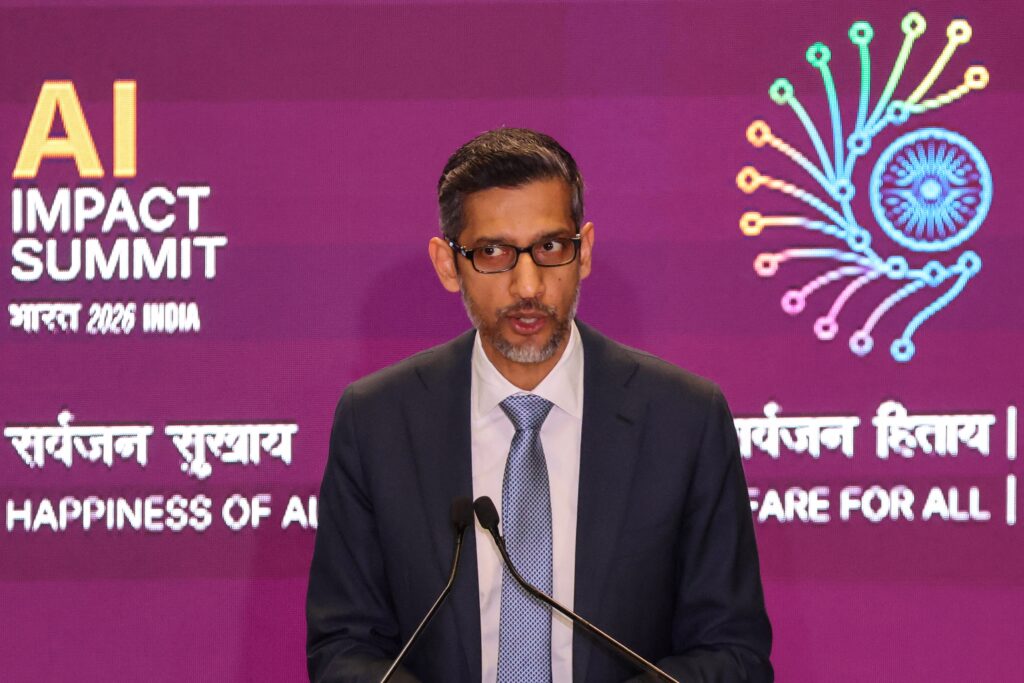
The AI Impact Summit 2026 is currently taking place in New Delhi, India, where key figures in technology are discussing the future of artificial intelligence. Among them, Google CEO Sundar Pichai delivered a compelling speech on Thursday, outlining significant advancements and initiatives in the AI sector. Pichai’s remarks covered a range of topics, from infrastructure investments to the ethical implications of AI technology.
Strengthening Global Connectivity
In his address, Pichai announced that Google is investing $15 billion in infrastructure projects in India, which includes the development of a “vast network of subsea fiber optic cables.” This initiative aims to enhance connectivity between the United States and India as part of Google’s America-India Connect Initiative. The plan includes the construction of four new subsea cable systems, marking a substantial expansion of Google’s existing undersea network.
Pichai emphasized that these investments are not only about connecting regions but also about creating a “full-stack AI hub” in India. This hub aims to leverage the country’s growing tech landscape and talent pool, fostering innovation in artificial intelligence.
Exploring New Frontiers in Data Management
One of the more intriguing points in Pichai’s speech was his mention of the possibility of sending data centers into space. While this concept was touched upon briefly, it resonates with similar discussions in the tech industry, particularly following Elon Musk‘s announcement regarding SpaceX’s interest in this area. Pichai’s reflections on his own journey from India to leading initiatives that may involve orbital data management highlight the rapid pace of technological advancement.
He remarked, “I never imagined I’d one day be spending time with teams figuring out how to put data centers into space.” This forward-thinking approach illustrates Google’s commitment to remaining at the forefront of technological innovation.
AI’s Role in Medicine and Ethical Considerations
Pichai also addressed the transformative potential of AI in the medical field, spotlighting Google’s DeepMind project, specifically the AlphaFold system. This AI tool predicts the three-dimensional structure of proteins based on their amino acid sequences, representing a significant leap in drug discovery and medical research. Although the implications of AI-generated work, including patent ownership, remain legally ambiguous in some regions, Pichai underscored the importance of these developments in advancing healthcare.
As the conversation around AI responsibility intensifies, Pichai emphasized Google’s proactive measures to tackle issues such as deepfakes. He explained that AI-generated content from Google’s platforms now features an invisible identifier called SynthID, which aids in distinguishing AI-created material from authentic content. This step is part of a broader strategy to promote responsible AI use.
Navigating Economic Shifts with AI
In closing, Pichai reflected on the profound economic changes that AI will inevitably bring to the workforce. He highlighted Google’s commitment to providing AI training for users, stressing the necessity for a collaborative approach involving governments and tech companies alike to regulate AI technology effectively. Pichai’s insights reiterate the need for ethical considerations as the industry evolves.
The AI Impact Summit 2026 serves as a crucial platform for discussing the future of artificial intelligence, with leaders like Sundar Pichai paving the way for innovative solutions and responsible practices in technology. As the summit continues, the discussions are expected to influence the trajectory of AI development on a global scale.