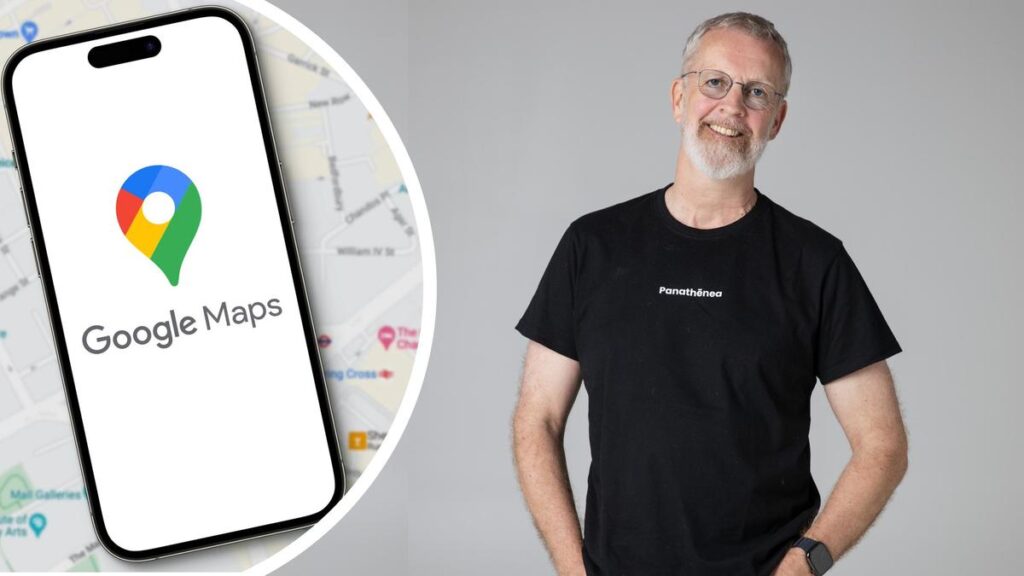
Google Maps co-founder Lars Rasmussen describes the AI revolution as a “genuine technological breakthrough”.
Artificial intelligence (AI) is poised to transform the world significantly, according to Lars Rasmussen, co-founder of Google Maps. Speaking from Athens, Greece, he described the AI evolution as a “genuine technological breakthrough” that parallels the revolutionary impact of computers in the mid-20th century. Rasmussen emphasized that AI’s ability to read and write human language surpasses that of many individuals, marking a pivotal moment in technological advancement.
“The computer in the 1950s, 60s, and 70s completely changed everything in the world, but I think AI will do that again,” he stated. “It’ll just happen much faster.” This acceleration in technological progress has already begun reshaping business operations, enhancing task automation, and streamlining decision-making through its capacity to analyze vast amounts of data.
Rasmussen, who co-founded Where 2 Technologies over two decades ago alongside his brother Jens Rasmussen and engineers Noel Gordon and Stephen Ma, reflected on the early skepticism surrounding their innovative mapping platform. Developed in a spare bedroom in Sydney, Australia, the start-up was acquired by Google in 2004 for an undisclosed sum.
He recalled the doubts of early investors, stating, “A lot of investors were like, ‘Does it matter? Is it important enough?’” One prominent investor expressed indifference, saying, “I only use online maps three, maybe four times a month.” Rasmussen countered that the frequency of map usage would increase significantly if the technology improved.
Today, Google Maps serves more than 2 billion users monthly and supports numerous third-party applications, including those for ride-sharing, accommodation services, and food delivery.
Opportunity for Entrepreneurs
Rasmussen is scheduled to speak at the upcoming West Tech Fest, hosted by Curtin University. This annual event, now in its 14th year, aims to connect local start-ups with global founders and investors, drawing thousands of participants.
Reflecting on the current landscape for entrepreneurs, Rasmussen asserts, “There’s never been a better time to start a company than now.” He believes that the potential impact of small teams continues to grow as technology evolves, offering unprecedented opportunities for innovation and entrepreneurship.
As the AI landscape continues to develop, Rasmussen’s insights underscore the importance of embracing this technology as a catalyst for future advancements and business opportunities.