

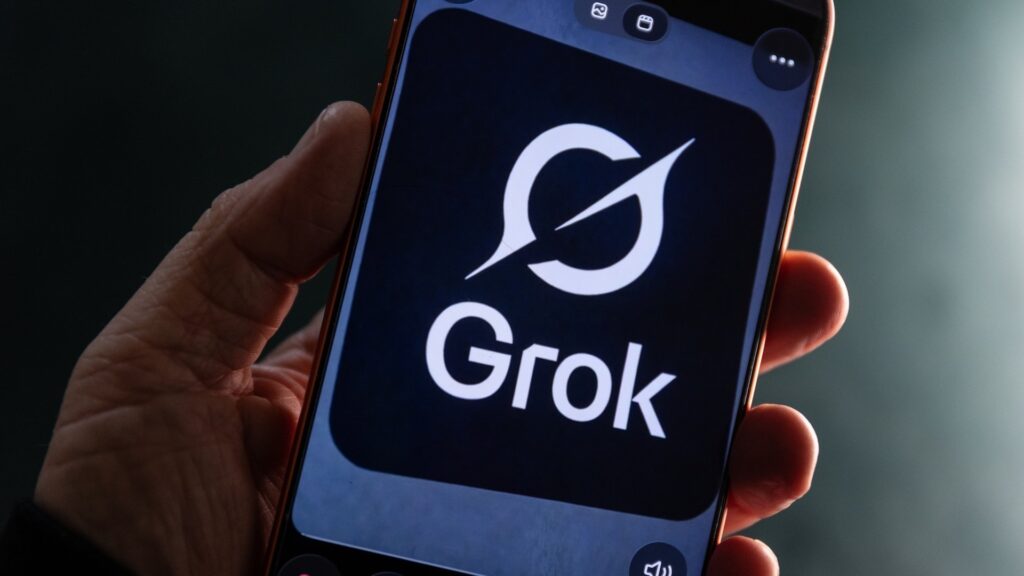
Elon Musk’s AI chatbot, Grok, has implemented a new policy to enhance protections against sexualized deepfakes on X, the platform associated with Grok. This significant change arrives as California initiates an investigation into the proliferation of non-consensual images, while the UK government contemplates a possible ban.
In a statement released by the X Safety account on X, the company outlined the new restrictions, which prevent users from editing images of real individuals in revealing clothing, such as bikinis. The announcement was made shortly before 18:00 ET / 15:00 PT on Wednesday. The policy applies universally to all users, including those who subscribe to paid services.
In addition to the image restrictions, the X Safety update emphasized the platform’s commitment to addressing Child Sexual Abuse Material (CSAM) and non-consensual nudity. Furthermore, it noted that image creation and editing through Grok will now be limited to subscribers. The account also revealed the capability to geoblock users from generating images of individuals in bikinis, underwear, and similar attire in jurisdictions where such actions are illegal.
The move follows increasing scrutiny of Grok and X, particularly in light of incidents involving the creation and sharing of sexualized images of both celebrities and minors. California Attorney General Rob Bonta has publicly urged Grok and its developer, xAI, to take immediate action against these harmful images, stating that he is prepared to use “all tools at our disposal” to protect residents. Bonta remarked, “This material, which depicts women and children in nude and sexually explicit situations, has been used to harass people across the internet.”
On the same day the X Safety account announced its policy changes, Musk seemingly challenged users to circumvent Grok’s image moderation. British Prime Minister Keir Starmer also issued a warning, stating, “If X cannot control Grok, we will,” as reported by the BBC.
In response to the controversy, both Indonesia and Malaysia have blocked access to Grok, reflecting escalating global concerns. Meanwhile, three U.S. senators have called on Apple to remove X and Grok from its app store. As of Wednesday evening, the applications remain available on Apple’s platform.
The recent updates to X’s policy may indicate a recognition by company leadership that they are not entirely shielded by Section 230 of the U.S. Communications Decency Act. This law provides some protection against lawsuits related to user-generated content, but content generated by an app’s technology may not enjoy the same legal immunity.
As the situation develops, the implications of these policy changes for user experience and the broader landscape of digital content remain to be seen.