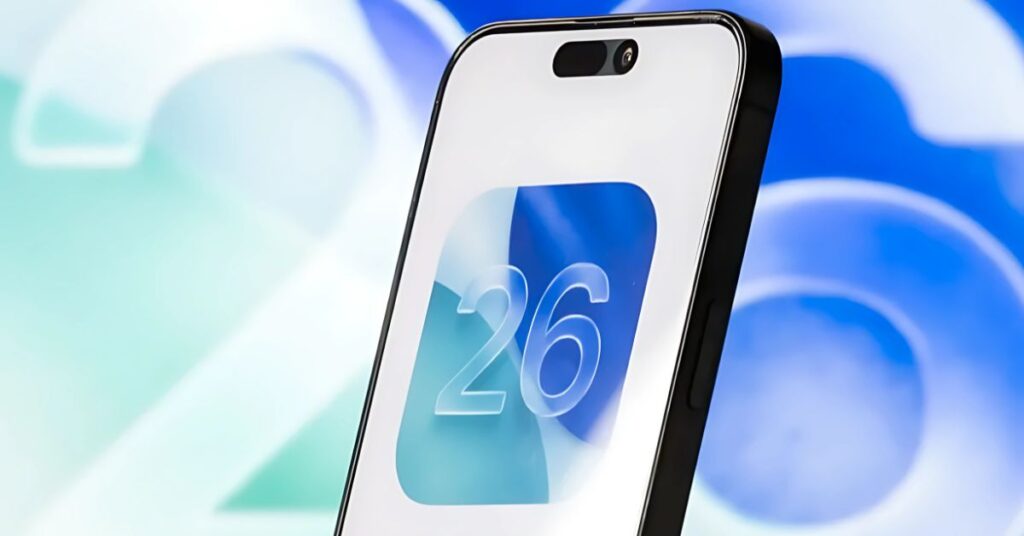
A recent survey indicates that a significant portion of iPhone users remain reluctant to upgrade to iOS 26, several months after its release. Conducted by SellCell among 2,000 adult iPhone owners in the United States, the study reveals that over one in five respondents have not yet installed the latest operating system.
Lack of awareness is the primary reason for this hesitation. Many participants reported being unaware that the update was available. Others believed that the software would automatically install without their intervention. Concerns regarding battery life and overall device performance also played a crucial role in users’ reluctance to upgrade. Some individuals expressed dissatisfaction with the new Liquid Glass interface, citing issues with readability and visual comfort.
Concerns Drive Update Decisions
The survey results reflect a broader trend in update behavior among iPhone users. Approximately 61 percent of respondents indicated they do not install major software updates immediately upon release. Instead, they prefer to wait and assess whether early adopters encounter significant bugs or stability issues. A number of users mentioned that they only update when they receive repeated prompts or when the update becomes unavoidable.
Confidence in the new operating system appears to be limited. Only 28 percent of those surveyed reported having no concerns about iOS 26. This means nearly three-quarters of participants have at least one reservation about the upgrade. The most common concern is battery drain, followed closely by fears of slower device performance. These apprehensions persist despite Apple’s continuous efforts to optimize software for older hardware.
Design Changes Affect User Sentiment
Design modifications, particularly the introduction of the Liquid Glass interface, also seem to contribute to users’ hesitance. For some, the visual shift is not perceived as an improvement. Several respondents admitted that the new aesthetic alone deterred them from upgrading, while others worried about the challenges of reverting to an earlier version after installation.
Despite iOS 26 gaining traction in the market, the findings underscore a recurring pattern among iPhone users. For many, the perceived risks to battery life, device speed, and overall usability outweigh the allure of new features, at least until the update has demonstrated its reliability over time. As concerns linger, it remains to be seen how Apple will address these issues to encourage broader adoption of its latest operating system.