


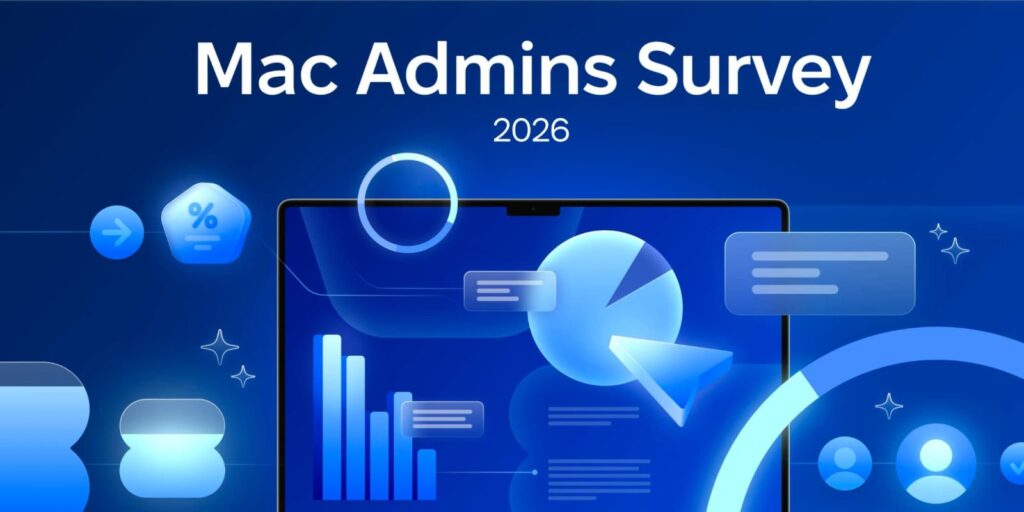
A recent survey conducted by MacPaw reveals significant transformations in the management of Apple hardware within enterprise settings. The findings indicate that Macs are becoming increasingly sustainable, lasting longer than ever before, while IT teams adapt to growing demands amid resource challenges. This evolution is underscored by the impact of the M1 MacBook Air, which marked the onset of Apple’s transition to its own silicon.
The Mac Admin Survey for 2026 highlights a crucial shift: nearly half of the respondents report that their Macs remain functional for three to five years. This durability is largely attributed to the efficiency of the M-series chips, which outperform the previous Intel hardware in both longevity and performance. The M1 chip, in particular, exhibits stability that allows devices to operate effectively long after typical replacement cycles.
As a result, IT teams are shifting their focus from routine hardware replacements to maximizing productivity and minimizing downtime. The extended lifespan of Macs enables organizations to allocate budgets toward enhanced management tools, improved security measures, and upgrades that better support users.
The survey findings also reveal a pressing trend: IT departments are expected to manage larger fleets of devices with fewer personnel. Approximately one-third of Mac administrators report utilizing AI in their workflows, not for enthusiasm, but out of necessity. The demand for more efficient management tools comes as staffing levels do not keep pace with the increase in devices being deployed.
In this context, community-driven support and automation have become essential. Over half of the surveyed IT professionals utilize maintenance or optimization tools to ensure Macs continue to operate smoothly. As hiring challenges persist, forums like Mac Admins Slack and Apple’s official support platforms have become primary resources for IT teams seeking assistance. These communities provide valuable knowledge, although it often remains dispersed.
Security remains a top priority, particularly as the complexity of software management increases. The survey indicates an 8% rise in the number of IT professionals advocating for simplified patching and software update processes. As the hardware stabilizes, the emphasis shifts toward maintaining a cohesive software environment. A single missed update can lead to significant vulnerabilities, which is why IT teams are constantly vigilant.
Apple has already made strides in enhancing the security and update mechanisms of its hardware, but there remains a demand for tools that streamline interactions between users and operating systems. With the rise of AI-driven threats and the growing prevalence of SaaS applications, IT teams find themselves tasked with ensuring security across a landscape that is both dynamic and evolving.
In conclusion, the MacPaw survey paints a picture of an evolving ecosystem where Macs are not only lasting longer but are also supported by increasingly automated workflows. IT teams are navigating a landscape fraught with challenges, including understaffing and escalating complexities. While the Mac continues to prove its reliability, the surrounding environment requires ongoing adaptation and innovation to meet the demands of modern enterprise IT management.