


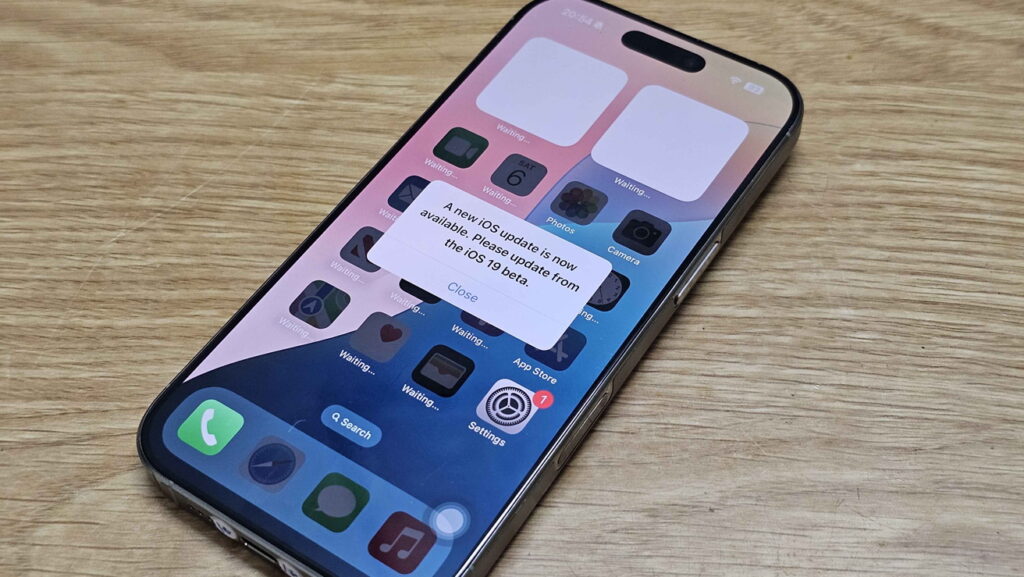
A newly discovered prototype of the iPhone 16 Pro has provided a rare opportunity to glimpse an unreleased version of iOS 19, which serves as a precursor to iOS 26. This prototype hints at potential features that may appear in iOS 27. The iPhone, showcased by collector Kyolet and reported by AppleInsider, runs an early build of iOS 19.0, which notably lacks the controversial Liquid Glass design elements introduced at WWDC 2025.
The iOS 19 build is significant as it does not incorporate a working version of Liquid Glass, even with the “Sensitive UI” setting activated. This indicates that the operating system remains visually similar to its predecessor, iOS 18. Despite being an early prototype, it offers insights into features potentially slated for future releases.
Insights into Future Functionality
While iOS 19 will not be available to the public, its examination reveals references to functionalities that could be seen in iOS 27 and beyond. The prototype showcases features that Apple is likely testing for upcoming events, including WWDC 2026 and possibly WWDC 2027. As software development typically spans extensive periods, these early indications suggest planned enhancements across various applications, including improved Accessibility features, updates to Messages, Photos, and the Wallet app.
The Livability app included in the prototype displays feature flags targeting future WWDC events. Although the specific enhancements remain undisclosed, it is anticipated that Apple will focus on refining user experience and expanding functionality in these core applications.
Additional Features and Prototypes
The prototype also reveals additional tools and applications intended for internal use, including a previously undocumented mobile version of PurpleRestore 4. This application is designed to restore devices and virtual machines, a functionality previously limited to Mac environments. The mobile adaptation of PurpleRestore 4 aligns with features introduced in iOS 18, allowing users to restore devices via nearby mobile units.
Other applications in the iOS 19 build relate to Apple Intelligence, Private Cloud Compute, and Siri. These testing utilities include settings for HomePods and speakers, voice profiles, and AI testing metrics, continuing a trend observed in previous prototypes.
The discovery of this iPhone 16 Pro prototype reinforces the idea that Apple employs placeholder names during the development of both software and hardware. Previously, the iPhone 16 Pro was internally referred to as “Diablo,” with the device identifier D93. This practice of using codenames and placeholder logos is common in the technology sector, allowing teams to work on projects without revealing their final branding.
The early iOS 19 build also includes settings for the anticipated Liquid Glass redesign, illustrating Apple’s forward-thinking approach to design and user interface. The authenticity of this prototype has been confirmed through extensive documentation and imagery, solidifying its status as a legitimate Apple development unit.
As Apple continues to innovate, the insights gained from prototypes like this one provide a fascinating look at the company’s future direction and the evolution of its operating systems. While many features may never reach the public, they contribute to the ongoing narrative of technological advancement within Apple, shaping the user experience for millions around the globe.