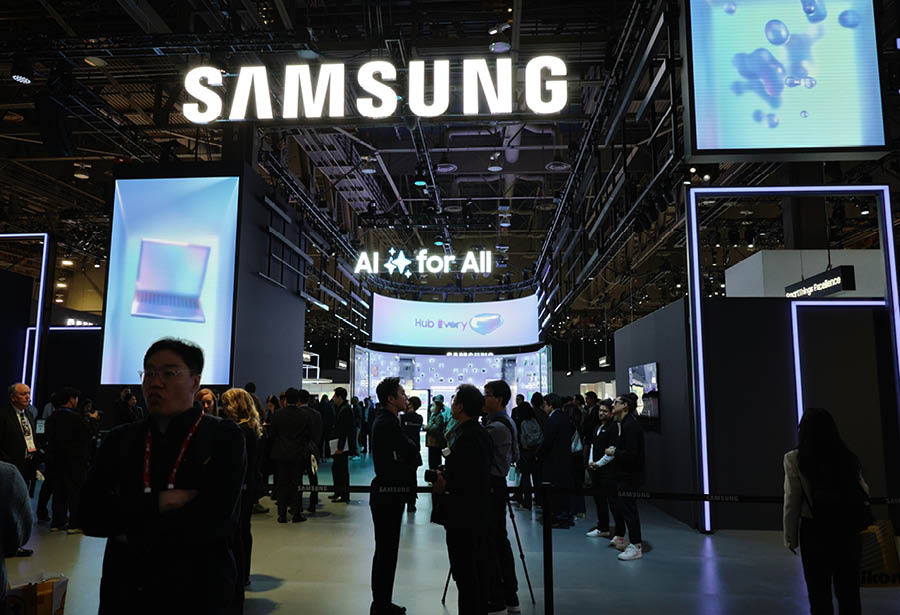
Samsung Electronics has reported a record operating profit of A$22.1 billion for the fourth quarter of 2025, achieved on revenues of A$103 billion. This remarkable performance comes despite a decline in global sales for both televisions and smartphones. A key contributor to this success has been Harman, Samsung’s audio and automotive subsidiary, which has proven to be a highly profitable segment within the larger organization.
Harman’s performance in Q4 was particularly impressive, generating A$5.1 billion in revenue and A$330 million in operating profit. This achievement further solidifies Samsung’s position as the leading audio company worldwide. As consumer electronics demand softens, Harman’s diversified portfolio and strong brand presence have provided a critical buffer against volatility in Samsung’s core markets.
Harman’s Expanding Portfolio
Harman’s audio and lifestyle brands include renowned names such as JBL, Harman Kardon, AKG, and Denon. This extensive range covers everything from mass-market Bluetooth speakers and headphones to high-end audiophile systems, making it one of the most diverse audio brand owners globally. In February, Harman is anticipated to launch a new product range under the Denon brand, which insiders describe as “stunning.” This ability to refresh premium offerings while driving profit growth underscores Harman’s importance to Samsung as the company focuses on higher-margin sectors.
For the entire year of 2025, Samsung reported total revenues of approximately A$366.9 billion and an operating profit of A$48 billion. The Device Solutions (DS) division contributed significantly to this success, with a notable 33% quarter-on-quarter increase in sales, primarily driven by the memory business. This sector achieved record quarterly revenue and profits, spurred by strong demand for conventional DRAM and accelerating sales of HBM products linked to AI workloads.
Future Outlook and Innovations
Samsung anticipates further strengthening of memory pricing as it prepares to launch HBM4 products and continue scaling its DDR5, SOCAMM2, and GDDR7 offerings alongside increased NAND storage sales. These components are essential for powering AI servers, positioning Samsung strategically within this rapidly growing market.
Additionally, the Mobile Experience (MX) and Networks divisions reported around A$32.2 billion in Q4 revenue and A$2.1 billion in operating profit. The MX division achieved double-digit annual profit growth, driven by demand for premium smartphones, tablets, and wearables, despite an overall decline in unit smartphone sales. The upcoming Galaxy S26 series is expected to sustain high-end demand.
Following the recent CES 2026 event, Samsung has reaffirmed its commitment to developing AI-driven products and innovative, lightweight foldable devices, with new models slated for release next month. Meanwhile, Samsung Display Company (SDC) reported solid results, generating A$10.5 billion in revenue and A$2.2 billion in operating profit, thanks to strong demand across smartphone, IT, and automotive display markets.
Samsung’s Visual Display (VD) and Digital Appliances (DA) businesses also showed promise, recording A$16.3 billion in revenue and A$660 million in operating profit, boosted by robust sales of Neo QLED and OLED TVs. The company expects continued momentum as consumers upgrade their displays in anticipation of major global sporting events, including the Olympics and the FIFA World Cup.
In summary, as traditional consumer electronics markets face challenges, Harman stands out as one of Samsung’s most consistent and profitable growth assets, providing significant brand strength and resilience against fluctuating market conditions.