As 2025 draws to a close, automotive enthusiasts reflect on the models that have been discontinued this year, highlighting which vehicles will be missed the most. Unlike previous years, when sentimentality reigned for models like the Jaguar F-Type and Ford Puma, this year’s list is met with less emotion. Notably absent from the mourning are vehicles such as the Toyota Fortuner and Mitsubishi Eclipse Cross, indicating a shift in consumer preferences and market dynamics.
Reflecting on the Departed Models
The discussions among automotive experts reveal a mix of nostalgia and acceptance of the changes. Alborz Fallah, a prominent automotive journalist, expressed little sentimentality, stating, “Realistically, any car that got axed was discontinued for good reason.” Australia’s competitive market demands high standards, meaning that underperforming models must make way for better alternatives.
In contrast, Paul Maric lamented the loss of the Audi S8, reminiscing about its powerful performance and advanced technology. “With fingerprint scanning tech to start it, it was the embodiment of power and technology,” he remarked, suggesting a longing for vehicles that made a bold statement.
Another model that garnered attention was the Hyundai i30 Hatch. Marton Pettendy pointed out that this model was once a top seller in Australia, emphasizing its significance to the market. The discontinuation limits choices for those seeking affordable small hatchbacks, with remaining options now including the Toyota Corolla and Mazda 3.
Personal Picks and Market Implications
The Jeep Grand Cherokee also sparked discussions, with William Stopford noting its shortcomings but acknowledging its appealing design and comfort. Despite its flaws, he expressed a fondness for the model, particularly the Grand Cherokee L Summit Reserve, which he described as capable of off-road adventures.
The Hyundai i30 Hatch remained a recurring theme among the team members. James Wong highlighted its significance, noting over 10,000 sales by November 2025. He argued that its discontinuation represents a missed opportunity for affordability in the market, particularly for younger drivers.
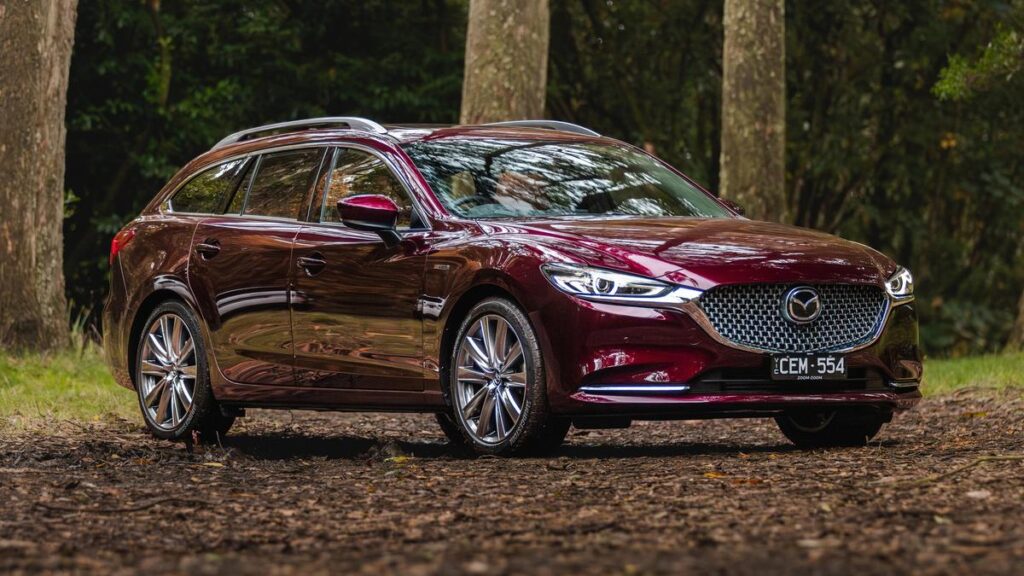
On a different note, Damion Smy and Ben Zachariah shared their sentiments regarding the Mazda 6 and the i30 Hatch, respectively, emphasizing their elegant designs and solid performance. The Mazda 6, described as the “anti-SUV,” stood out in an era dominated by larger vehicles.
While the mood surrounding the discontinuation of various models was generally subdued, there was consensus on the implications of these changes. The departure of traditional sedans like the Volvo S60 and Audi S8 signifies a broader shift in consumer preferences towards SUVs, leaving many enthusiasts to wonder about the future of sedans in the automotive landscape.
As the automotive industry evolves, the discontinuation of these models serves as a reminder of the ever-changing preferences of consumers and the need for manufacturers to adapt. While some vehicles will be missed, others may pave the way for innovative designs and technologies that cater to modern demands.