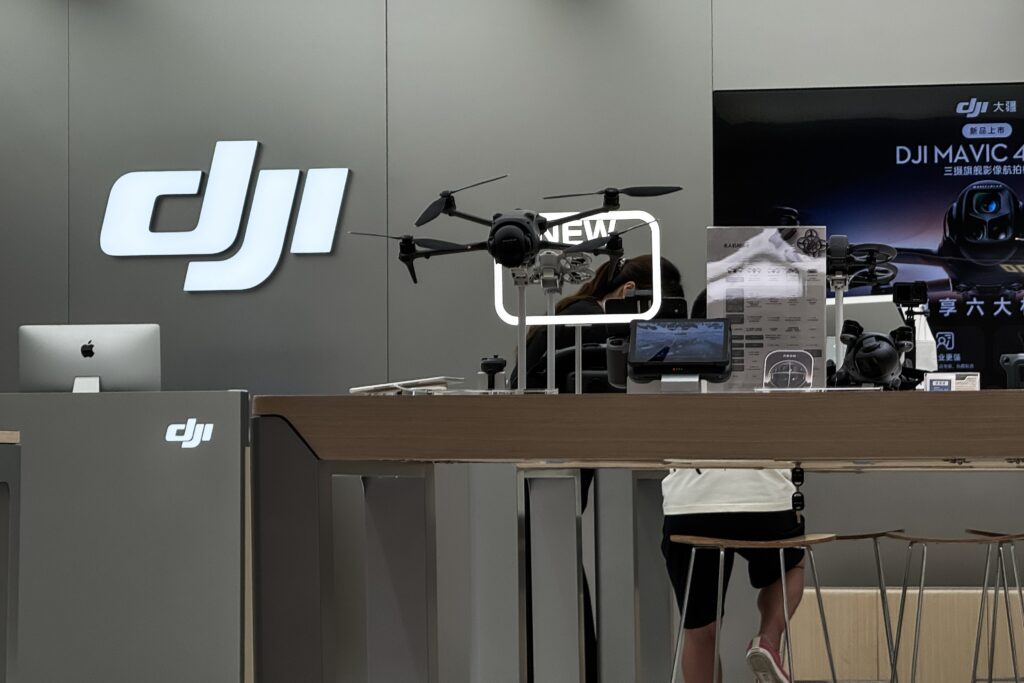
The United States has officially banned foreign-made drones, a move that prominently affects DJI, the leading drone manufacturer globally. Announced by the Federal Communications Commission (FCC) on December 18, 2023, the ban targets foreign drones and components, citing national security concerns. This decision comes amid ongoing apprehensions about potential risks posed by these devices in U.S. airspace.
Details of the Ban and Its Rationale
The FCC’s action marks a significant shift in drone regulation, particularly as DJI holds a commanding 90 percent share of the global drone market. The agency’s chair, Brendan Carr, emphasized the need to secure U.S. airspace, stating, “President Trump has been clear that his Administration will act to secure our airspace and unleash American drone dominance.” The decision follows a prolonged period of scrutiny regarding foreign drone manufacturers, as the FCC moved to blacklist these products.
Despite efforts by DJI to comply with U.S. regulations, including agreeing to audits aimed at mitigating security concerns, the company remains on the blacklist. The FCC’s ban reflects a broader policy shift aimed at fostering domestic drone innovation while addressing perceived threats.
Implications for Consumers and Businesses
For U.S. consumers who already own DJI drones or have recently purchased one, the ban does not impose immediate restrictions. The FCC has clarified that individuals can continue to own and operate their existing drones without interference. Moreover, retailers may still sell previously authorized drone models from blacklisted companies.
Many industries that rely on drones, including law enforcement and agriculture, have voiced their concerns regarding the ban and its potential implications. These sectors have increasingly integrated drone technology into their operations, highlighting the importance of maintaining access to these tools.
In response to the ban, DJI issued a statement expressing disappointment. The company criticized the lack of transparency in the decision-making process, noting, “While DJI was not singled out, no information has been released regarding what information was used by the Executive Branch in reaching its determination.” The firm emphasized that its products are among the safest available, supported by years of evaluations from U.S. government agencies and independent assessments.
Looking forward, DJI remains hopeful that future products will be approved by the Department of Defense and the Department of Homeland Security for sale in the U.S. market. The company is committed to continuing its operations under the new regulations while advocating for a fair evaluation of its products based on factual evidence rather than perceived protectionist motives.
This ban marks a pivotal moment in the ongoing dialogue about technology, security, and market access, particularly as the drone industry continues to evolve rapidly.