

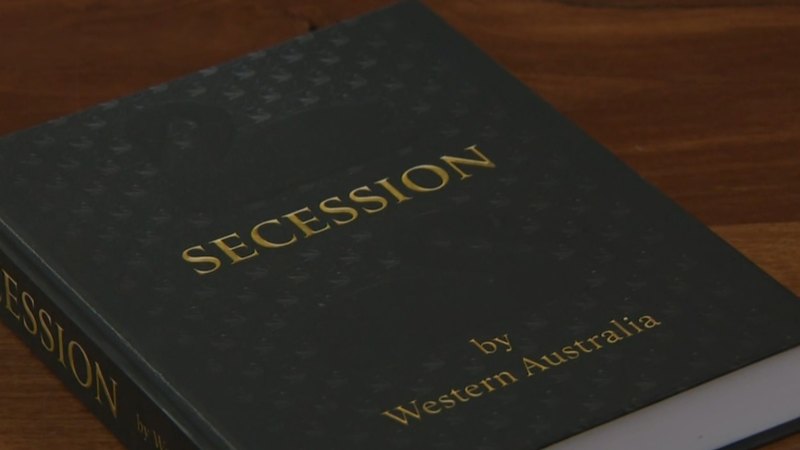
A recent analysis by a group of academics from the Australian National University has reignited the discussion about the potential secession of Western Australia from the rest of the country. This debate, which has circulated for decades, raises significant questions about the implications, processes, and feasibility of such a move.
The team, led by Dr. James E. Smith, outlines what the secession process could entail, including legal, economic, and logistical considerations. According to their research, the proposal stems from a growing sentiment among some Western Australians who feel disconnected from the political decisions made in Canberra.
The concept of secession is not new; however, the academic team’s investigation brings a fresh perspective. They highlight that, in order to initiate a secession, a referendum would likely be necessary, allowing the people of Western Australia to determine their own future. Historical precedents, such as the successful independence movements in other regions, provide context for this discussion.
Legal and Economic Implications
The legal framework for secession is complex. The Australian Constitution does not explicitly allow for states to secede, and any such move would require an amendment to the Constitution. This process is arduous, necessitating a national consensus that may be challenging to achieve.
From an economic standpoint, the team evaluated potential impacts on both Western Australia and the remainder of Australia. As of July 1, 2023, Western Australia contributed approximately $81 billion AUD to the national GDP, bolstered by its mining and agricultural sectors. The academics assert that secession could lead to significant changes in fiscal arrangements, potentially affecting funding for services and infrastructure.
The International Monetary Fund (IMF) has also weighed in, suggesting that the economic viability of a newly independent Western Australia would depend on its ability to establish a stable governance framework and trade relationships. The team emphasizes that while the state has abundant resources, it would need to navigate the complexities of international trade and economic policy independently.
Public Sentiment and Future Considerations
Public opinion on secession remains divided. Recent surveys indicate that around 30% of Western Australians support the idea, while a larger portion remains opposed or uncertain. The academic team believes that increased awareness and discussion of the economic and social ramifications will be crucial in shaping public sentiment.
The implications of secession extend beyond economics and law. Issues of national identity and regional pride play a significant role in the debate. As Western Australia continues to grapple with its unique challenges and opportunities, the conversation surrounding its potential independence is likely to evolve.
In conclusion, the exploration of Western Australia’s secession is a multifaceted topic that combines legal, economic, and social dimensions. As this debate unfolds, it will be essential for stakeholders to engage with the community and assess the implications thoroughly. The findings from the Australian National University serve as a timely reminder of the complexities involved in national unity and regional aspirations.