




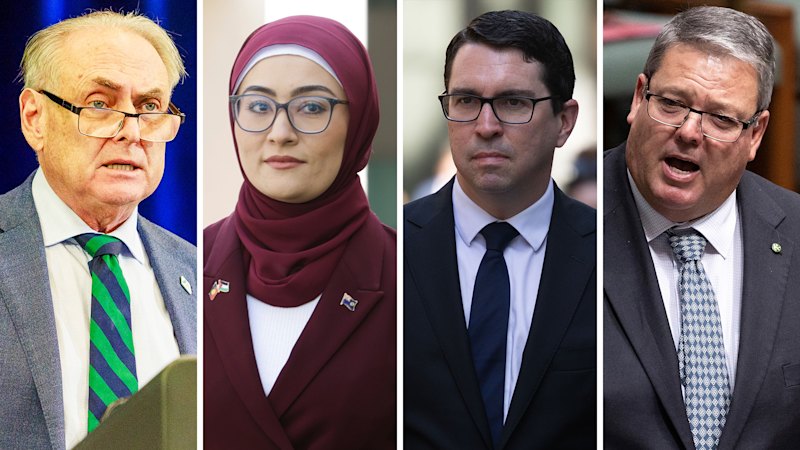
UPDATE: Australian taxpayers have been hit with a staggering $4 million bill for family travel expenses incurred by politicians since the election of the Albanese government. In a shocking revelation, four MPs have each charged over $100,000 for family travel, prompting urgent scrutiny over the use of taxpayer-funded entitlements.
Leading the pack is Andrew Willcox, the Nationals MP from north-west Queensland, who racked up a jaw-dropping $123,769 for family travel. He is closely followed by independent senator Fatima Payman at $118,790, Don Farrell, the South Australian Trade Minister, at $116,306, and Pat Gorman, West Australian assistant minister, who charged $112,866.
The controversy erupted after Anika Wells, the Sports and Communication Minister, faced scrutiny for her own expenditures, including $95,000 spent to fly herself, a staffer, and a senior public servant to the United Nations in New York. This sparked a public debate on MPs’ spending habits and whether such claims align with community expectations. Wells has since referred her expenses, totaling $43,026 for family travel, to the Independent Parliamentary Expenses Authority.
The data reveals that while some MPs have claimed exorbitant amounts, others reported minimal spending. Notably, independent MP Dai Le claimed a mere $170 in family travel, while NSW Labor Senator Jenny McAllister reported $398. Critically, cabinet ministers Katy Gallagher and Chris Bowen have not made any claims since the government took office.
The public outcry has prompted discussions about the appropriateness of family travel allowances, which permit MPs three return business class flights annually for family members. Critics argue that such expenses could be reduced or eliminated entirely, suggesting a need for reform.
In an official statement, Farrell defended the family reunion rules, asserting that they are vital for enabling diverse representation in parliament. He emphasized the importance of allowing members with families to serve effectively. However, opposition voices like Steven Kennedy have called for a reevaluation of these entitlements, advocating for stricter limitations or complete removal.
As the situation continues to unfold, the ramifications of these revelations will likely influence public perception of political accountability and spending practices. Voters and taxpayers are urged to stay informed about these developments as the debate on MPs’ expenses intensifies.
Moving forward, all eyes will be on the Independent Parliamentary Expenses Authority as they review the mounting pressures for transparency and accountability in government spending. The public’s response to these findings could shape future policies regarding taxpayer-funded allowances.
