




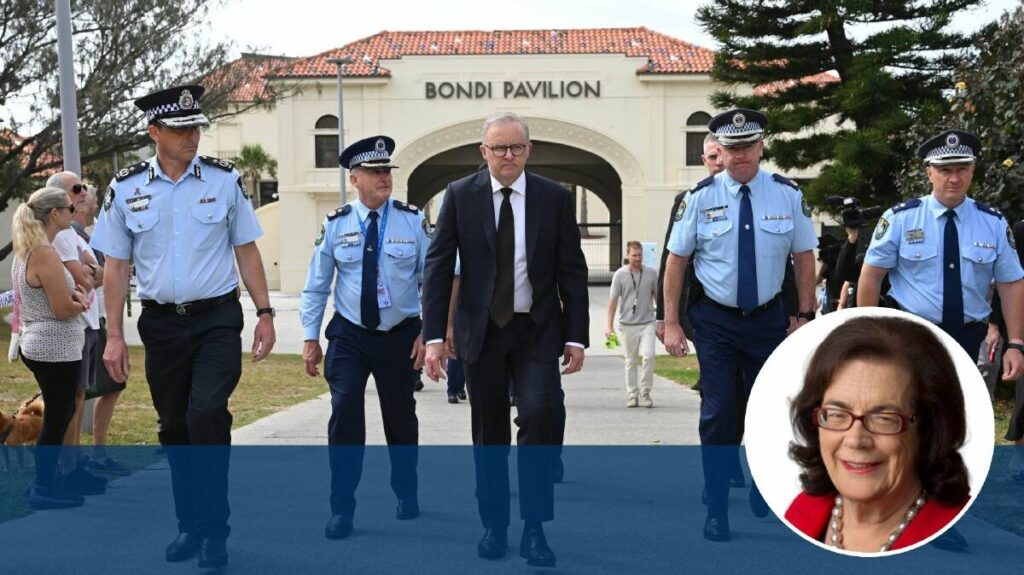
UPDATE: Australia is in mourning following a tragic attack in Bondi, and Prime Minister Anthony Albanese is facing significant backlash from the Jewish community for his perceived inadequate response. As grief turns to anger, the Prime Minister’s absence from memorials highlights a growing divide between his government and the public sentiment.
Earlier this week, the Jewish community effectively sidelined Albanese from his role as the nation’s chief mourner, as he refrained from attending the funerals of victims, including a rabbi and a 10-year-old child. Instead, NSW Premier Chris Minns garnered warm support by attending both services, intensifying the perception of Albanese’s disconnect.
In a bid to address the growing unrest, Albanese has faced mounting pressure to tackle anti-Semitism in Australia, a crisis that has escalated over the past two years. In response, the government convened a national cabinet, initially proposing tighter gun control measures, which only intensified criticism as it was viewed as a distraction from the deeper issues at hand.
On Thursday, Albanese announced a package of measures aimed at strengthening hate laws and enhancing powers to deny visas to those promoting hate. A taskforce led by respected figure David Gonski will focus on combating hate in the education sector. However, the Prime Minister confirmed there will be no recall of the Federal Parliament before Christmas, citing the complexity of drafting new legislation.
This decision has been met with disappointment, as many believe a parliamentary session would have provided a platform for national condolence and discussion on future actions. Critics argue that the absence of such a session represents a missed opportunity for leadership during a critical moment.
“I, of course, acknowledge that more could have been done, and I accept my responsibility for the part in that as Prime Minister of Australia,” Albanese stated on Thursday, emphasizing the need for change.
Opposition Leader Sussan Ley has actively engaged with the community in Bondi, criticizing the government’s responses as insufficient. The Coalition, more attuned to the Jewish community’s concerns, has argued for a stronger stance against anti-Semitism, echoing calls for action that the government has now reluctantly acknowledged.
Former Treasurer Josh Frydenberg delivered a powerful speech in Bondi, expressing his offense at attempts to politicize the tragedy. He called for swift action against the rise of anti-Semitism, emphasizing the urgent need for a comprehensive governmental response.
A judicial inquiry into anti-Semitism has been suggested by the Coalition, but the government has dismissed this as a delay tactic, arguing immediate action is necessary. The Bondi tragedy has reshaped the political landscape, pushing previous stories, including proposed travel allowance reforms, to the background.
As the nation grapples with the implications of this attack, political analysts warn that the incident could alter the trajectory of Australian society. Kos Samaras from RedBridge political consultancy notes, “Politicians from every side will need to think very carefully about how they conduct themselves.” He emphasizes that the anger and frustration felt by the Jewish community must be recognized and addressed.
The long-term implications of the Bondi attack remain uncertain, but it serves as a stark reminder of the complexities within Australia’s multicultural society. As community tensions rise, the government must navigate this crisis carefully to avoid further alienation and backlash.
As developments unfold, the situation remains fluid, and the public is eager for decisive action. Australians are watching closely, demanding accountability and a robust response to ensure the safety and unity of their communities.
