




URGENT UPDATE: Recent findings reveal that burnout is the foremost concern for women founders and business leaders across Australia. A groundbreaking survey by Women’s Agenda in partnership with CommBank highlights that 63% of over 1,300 women business leaders identified burnout as their biggest challenge, surpassing issues like staffing and costs.
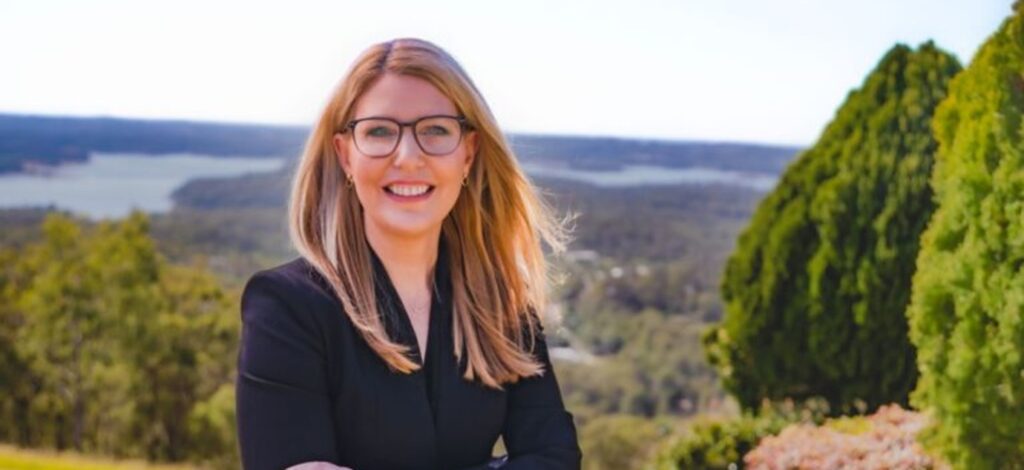
According to Ruth Limkin, Founder and CEO of The Banyans Healthcare, the implications of burnout extend beyond personal health—it poses a serious risk to business performance. Limkin states, “When people are unwell, they’re not performing at the level that they want to, or that the organisation wants them to.”
This alarming trend is not new. Earlier research from Women’s Agenda found that a staggering 72% of Australian women have experienced burnout within the past year. These statistics underscore a hidden crisis that demands immediate attention.
The World Health Organization defines burnout as a syndrome stemming from chronic workplace stress, characterized by exhaustion, mental distance, and reduced efficacy. Limkin emphasizes, “Burnout and wellbeing need to move from being seen as perks to being recognized as key risks.”
With the increasing pressures on women in business, Limkin shared practical steps to combat burnout. She stresses the importance of building a “support squad.” “Don’t do it alone,” she advises, highlighting that social isolation can exacerbate feelings of overwhelm. Seeking support from friends or professionals can make a significant difference.
Limkin also emphasizes the relevance of small, manageable changes. “Prioritize decisions to improve rest and recovery,” she states. Tips include reducing alcohol and caffeine intake before bed and ensuring proper lunch breaks. “A better night’s sleep enhances your ability to face daily challenges,” she adds.
To further support women battling burnout, Limkin recommends a 30-minute self-audit. This includes assessing personal energy levels, reviewing daily habits, and intentionally connecting with supportive individuals. “Recognizing what drains and fills your cup is crucial,” she explains.
Moreover, Limkin calls on business leaders to adopt the science of human performance to foster a healthier work environment. Simple adjustments, like providing healthier food options in workplaces, can enhance cognitive function and overall wellbeing.
Limkin’s toolkit for tackling burnout includes mindfulness apps such as Calm and Headspace, as well as resources like the Banyans Wellbeing Self-Assessment. “These tools help in measuring stress and coping styles,” she notes.
As the conversation around burnout evolves, Limkin advocates for a shift in perception—viewing it not just as a personal issue but as a critical business risk. She asserts, “We can’t ignore the science of human performance and wellbeing.”
In light of these findings, it’s clear that immediate action is necessary to support women in the business world. The message is loud and clear: addressing burnout is essential for fostering thriving businesses and healthier leaders.
Stay tuned for more updates on this pressing issue affecting women in leadership roles. For further information, visit WomeninFocus.com.au, a platform dedicated to supporting women in business.
