




URGENT UPDATE: The origins of Christmas are under fresh scrutiny as new insights reveal its deep-rooted connections to ancient pagan traditions. As the holiday season wraps up this year, many are questioning the true meaning behind the festivities and their historical significance.
Experts, including historian Charles Boyle, have traced the evolution of Christmas back thousands of years, marking December 25 as a pivotal date. Initially celebrated as the birth of Jesus Christ, this date was strategically chosen by Emperor Constantine in 380 CE, aligning with existing winter celebrations among the Romans. The timing coincides with the festival of ‘Sol Invictus,’ honoring the “Unconquered Sun” shortly after the winter solstice.
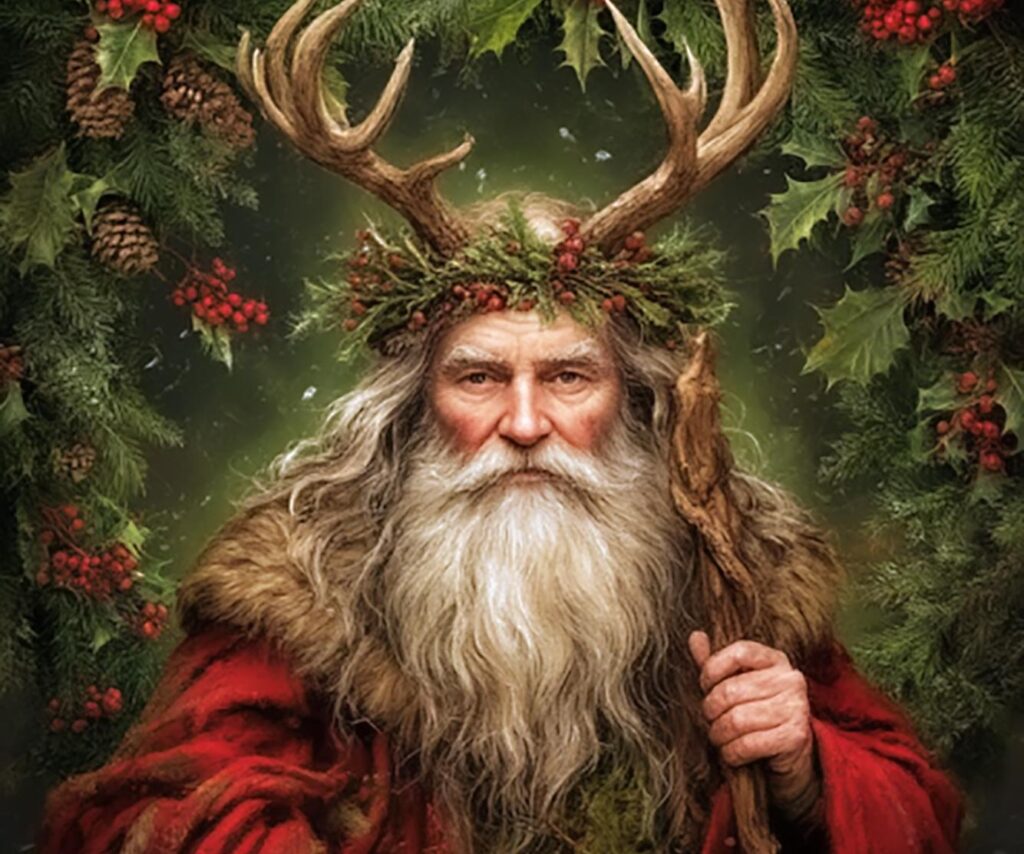
But why did the Romans choose December 25? The origins lie in ancient pagan rituals. Northern European Celts celebrated the Winter Solstice as the return of the sun, honoring the Horned God Cernunnos, revered as ‘Father Nature’. This period marked a time for communal gatherings, feasting, and gift-giving, traditions that persist in today’s Christmas celebrations.
As Christianity spread, it absorbed these customs. The Viking King Haakon the Good in 950 CE mandated a fusion of Yule celebrations with Christmas, further embedding these ancient practices into modern holiday traditions. Monuments like Stonehenge and Newgrange offer evidence of these ancient mid-winter celebrations, meticulously aligned with solstices.
The transformation didn’t stop there. Father Christmas, once a mischievous figure devoid of ties to children, evolved over centuries. By the Victorian era, he became the jolly character known for gifting to well-behaved children, influenced heavily by the Dutch tradition of Sinterklaas. This character, based on St. Nicholas, a 4th-century bishop famed for his generosity, eventually merged with Father Christmas in New Amsterdam, leading to the modern-day Santa Claus.
As Christmas approaches, the question remains: what does this blend of history and mythology mean for those celebrating today? Many believe that the spirit of Cernunnos still lingers during the winter solstice, spreading peace and joy.
This blend of history not only highlights the transformation of Christmas but also reflects a larger narrative of cultural adaptation and continuity. As society continues to evolve, understanding these roots may offer deeper insights into our shared identity and traditions.
What’s next? As the holiday season concludes, scholars and enthusiasts alike are encouraged to explore these enduring connections. The conversation surrounding the origins of Christmas is far from over, and the quest for understanding continues.
Stay tuned for more insights as experts delve deeper into the cultural implications of our most cherished traditions. Merry Christmas to all and may the spirit of the season bring peace and joy!
