



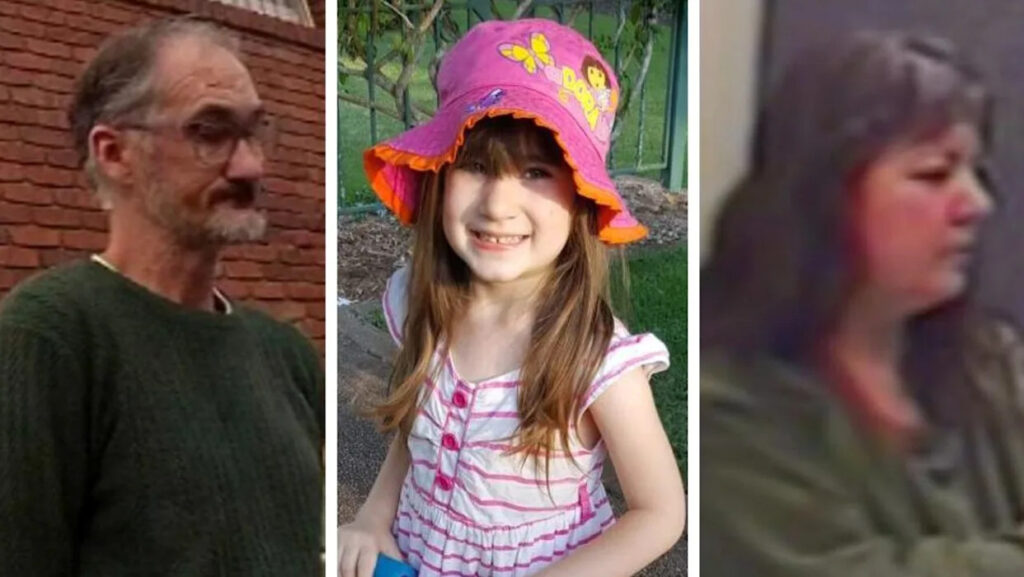
URGENT UPDATE: Members of the extremist Christian cult, the “Saints,” convicted of the horrific manslaughter of eight-year-old Elizabeth Rose Struhs, have been revealed to be eligible for parole just months after their sentencing. This shocking development, coming shortly after their convictions in January 2025, has ignited outrage among child safety advocates and the public alike.
Elizabeth tragically died in her family’s home in Toowoomba between January 6-7, 2022, after her father, Jason Struhs, made the chilling decision to cease her insulin injections as a test of faith. Elizabeth, who suffered from type 1 diabetes, endured agonizing days as her family prayed for divine healing instead of seeking medical help. Her death has been labeled as “outright torture” by leading child safety advocate Hetty Johnston, who emphasized the gravity of their actions.
All 14 cult members received sentences ranging from six to 14 years, yet many are already in a position to apply for parole after serving just half of their terms. This includes Jason Struhs and his wife, Kerrie Struhs, who were sentenced to 14 years in prison. The revelation of their eligibility has sparked fierce criticism, with Johnston stating that the sentences are “not even close” to adequate for the crime committed against a child.
The Saints’ belief in the healing power of prayer over medical treatment led to Elizabeth’s tragic decline. During the trial, it was revealed that the cult exerted pressure on Jason to abandon his daughter’s medical needs, reinforcing a culture of neglect and dangerous faith-based practices.
As of now, members like Brendan Luke Stevens, the cult’s leader, face serious scrutiny regarding their potential release. The Queensland Corrective Services (QCS) has not clarified if any members have applied for parole or been released, citing legislative restrictions on discussing individual parole matters.
Johnston expressed her dismay at the system’s failure to protect children, stating, “This reflects the value we put on the safety of children – simply unacceptable.” Her call to action emphasizes the need for a thorough assessment of the risk posed by these individuals before any consideration of parole is made.
The timeline for parole eligibility is concerning. Members sentenced to seven years may be eligible by mid-2026, which raises alarm bells for the community. Concerns about public safety are paramount, and Johnston argues that these individuals pose a significant risk if released without proper evaluation.
The QCS has indicated that they are reviewing internal processes following this case, but have not provided specific details about what changes are being implemented. Meanwhile, the case has prompted a broader discussion about the accountability of religious groups and the protection of children under such extreme beliefs.
This developing story continues to unfold as the community grapples with the implications of potential parole for those involved in such a grievous crime. As scrutiny intensifies, many are left wondering: what measures will be put in place to prevent future tragedies like that of Elizabeth Rose Struhs?
Stay tuned for updates as this urgent situation evolves.