




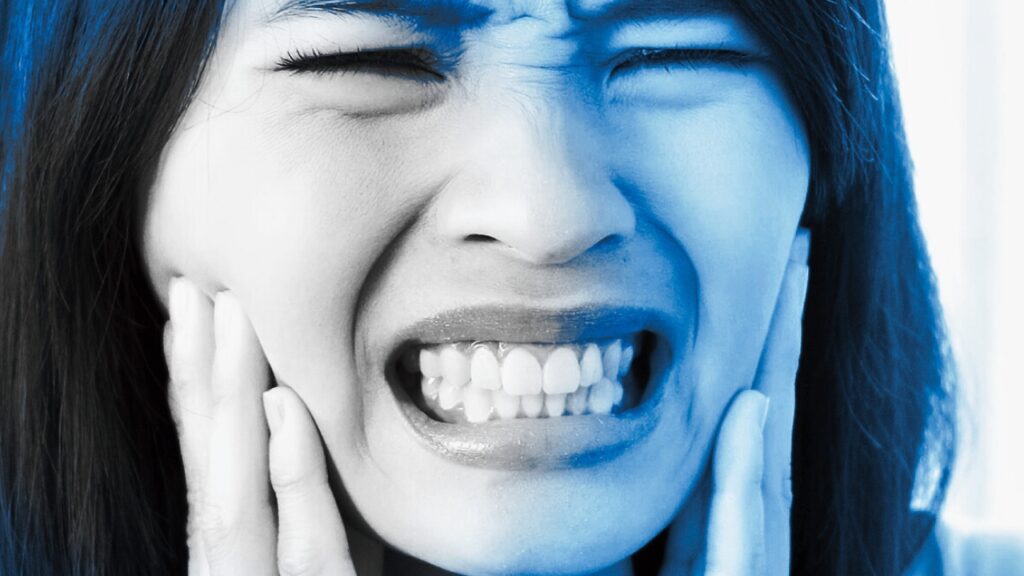
Many individuals unknowingly grind or clench their teeth, a condition known as bruxism. Whether it occurs during the day or night, this habit affects a significant portion of the population. Experts suggest that if you answer “yes” to questions about frequent jaw tension, headaches, or worn-down teeth, you may be among those who grind their teeth.
What causes this involuntary action? The reasons often stem from a combination of physical, mental, and lifestyle factors. Stress, anxiety, and certain medical conditions can exacerbate the issue. Notably, there is a strong association between bruxism and sleep apnea, a disorder characterized by interrupted breathing during sleep, which can lead to increased grinding due to reduced oxygen levels.
Understanding the Impact of Teeth Grinding
While mild or occasional teeth grinding may not pose serious health risks, frequent and forceful grinding can lead to various dental and musculoskeletal problems. These may include jaw joint issues, muscle pain, interrupted sleep, and even tension headaches. Over time, excessive grinding can fracture or wear down teeth, necessitating costly dental treatments.
According to Arosha Weerakoon, Senior Lecturer and General Dentist at the University of Queensland, dental professionals can identify signs of bruxism during routine examinations. They typically look for chipped or worn-down teeth, as well as other indicators such as white ridges inside the cheeks and scalloped indentations on the tongue. These signs suggest that the teeth have been under significant pressure from clenching or grinding.
Effective Strategies for Managing Bruxism
Fortunately, bruxism is manageable, with various treatment options available. Individuals experiencing symptoms should consult their healthcare providers to explore potential underlying issues. For instance, a doctor may assess for conditions like acid reflux or arthritis in the jaw, which could contribute to teeth grinding.
In some cases, a comprehensive sleep study, known as a polysomnograph, may be recommended to diagnose sleep disorders. Physiotherapists specializing in jaw pain can also assist patients with techniques aimed at alleviating symptoms through exercise and stretching.
Dental professionals may suggest the use of a night guard or occlusal splint. These custom-made appliances fit over the upper teeth to protect against wear and reduce muscle tension. For some individuals, Botox injections may be considered to block signals in the jaw muscles, although this treatment can be costly and may not suit everyone.
Ultimately, addressing bruxism requires a holistic approach. Alongside medical treatments, lifestyle adjustments can be beneficial. Reducing caffeine and alcohol intake, establishing a calming bedtime routine, and maintaining a sleep-friendly environment can all contribute to better sleep quality and reduced stress levels.
Both Amit Arora, Associate Professor in Public Health at Western Sydney University, and Weerakoon emphasize that while treatments can alleviate symptoms, it is essential to address the root causes of bruxism to achieve lasting relief. By seeking professional guidance and making lifestyle changes, individuals can effectively manage this common yet often overlooked condition.
