




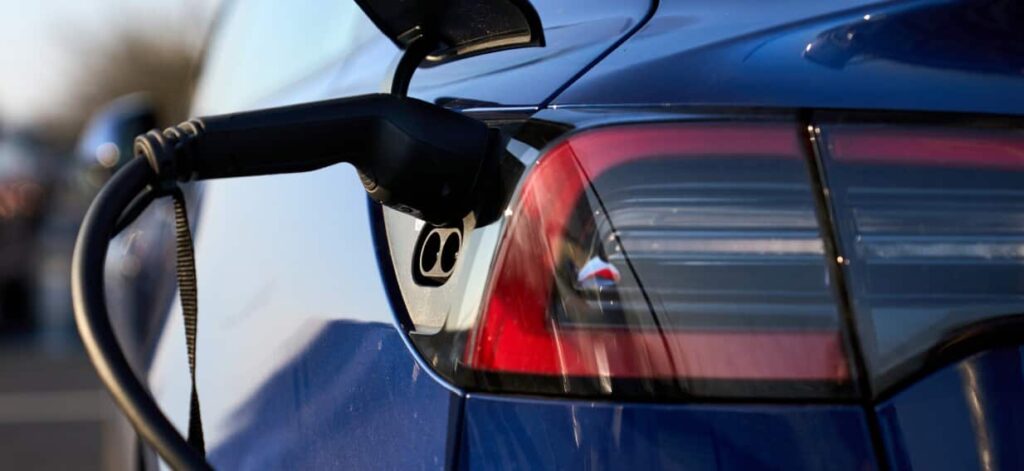
EMBARGOED TO 0001 TUESDAY FEBRUARY 28 File photo dated 08/03/22 of a Tesla electric vehicle being charged at a EV charging point. Drivers leasing new electric cars are being overcharged by hundreds of pounds each month, according to a report. Clean transport campaign group Transport & Environment (T&E) accused leasing companies of failing to reflect the strong resale value of cleaner cars when setting their prices. Issue date: Tuesday February 28, 2023.. See PA story TRANSPORT Leasing. Photo credit should read: John Walton/PA Wire
The future of the Electric Car Discount is uncertain as reports suggest that the government may phase out this popular tax incentive. This potential change comes at a time when petrol prices are on the rise, creating concern among many, particularly families living outside major metropolitan areas who rely on long commutes.
Proponents of the discount argue that eliminating it could disproportionately affect those who already face challenges due to their commuting distances. Many families, especially in rural and suburban regions, depend on affordable transportation options, and the loss of this tax break could lead to increased financial strain.
Impact on Commuting Families
The proposed cut to the Electric Car Discount has drawn criticism from various advocates who emphasize its importance in promoting sustainable transportation. According to environmental advocates, the discount has encouraged a shift towards electric vehicles, which can help reduce carbon emissions and combat climate change.
Statistics from recent studies indicate that electric vehicle sales have surged over the past few years, largely due to incentives like this one. In areas where public transportation options are limited, families often turn to electric cars as a more economical and eco-friendly solution. Without such financial incentives, many may be forced to revert to petrol-powered vehicles, undermining progress made in reducing environmental impact.
Government’s Stance and Future Considerations
The government has not yet made an official statement regarding the timeline for any potential changes to the Electric Car Discount. Discussions around transportation policy are ongoing, with some officials advocating for continued support of electric vehicles. They argue that maintaining the discount is crucial not only for environmental reasons but also for economic recovery in the wake of rising fuel costs.
As petrol prices have increased significantly in recent months, families are feeling the pinch. Reports indicate that the average cost of petrol has risen by 15% since January 2024. This increase puts additional pressure on households, particularly those in regions where public transport is less accessible.
The debate is likely to intensify as the government weighs the implications of removing the Electric Car Discount against the backdrop of rising fuel prices. Advocates for electric vehicles are urging policymakers to consider the long-term benefits of maintaining financial incentives, not only for families but also for the broader goal of reducing emissions and promoting sustainable energy sources.
As this situation develops, stakeholders from various sectors will continue to monitor the potential impact on commuting families and the electric vehicle market. The outcome of this discussion will play a significant role in shaping transportation policy and environmental efforts in the future.
