


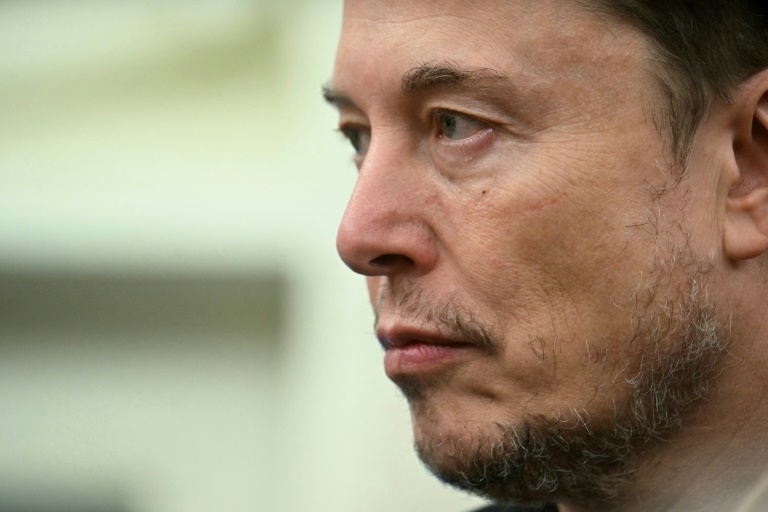
Elon Musk, the CEO of Tesla, SpaceX, Neuralink, and xAI, has presented a series of ambitious predictions regarding technology and societal advancements, many of which are set to be realized by the end of the decade. During recent discussions at the Davos Economic Forum and various interviews, Musk outlined a future characterized by artificial superintelligence, a surge in robotics, extended human lifespans, and economic transformation driven by automation. While his timelines often face criticism for being overly optimistic, his forecasts continue to ignite dialogue surrounding the future of innovation.
Musk’s Vision for Artificial Intelligence
Musk asserts that by 2030, artificial intelligence will surpass the combined intelligence of all humans on Earth. He has expressed confidence that AI could exceed individual human capabilities as early as 2026 or 2027. According to Musk, the rapid development of AI models, particularly those from his company xAI, suggests that superintelligent systems are on the horizon.
In addition, Musk anticipates that billions of humanoid robots, primarily Tesla’s Optimus, will be operational by the end of the decade. These robots are expected to redefine labor by performing tasks ranging from manufacturing to household chores, potentially making traditional work optional.
Healthcare Innovations and Economic Changes
One of Musk’s more striking claims is the prediction that robot surgeons will outnumber human doctors by 2030. He argues that these robots will reduce human error and provide consistent, high-quality medical care, addressing shortages in the healthcare workforce. In this context, Musk also envisions significant advancements in lifespan extension, suggesting that AI-driven medical technologies could double human lifespans, possibly leading to effective solutions for aging.
Musk believes that work will evolve into a voluntary pursuit, akin to hobbies, within the next couple of decades. He predicts a world where economic abundance will make money less relevant, as AI and robotics will generate goods and services at an unprecedented scale.
Technological Advancements and Space Exploration
Musk has set ambitious goals for Tesla’s self-driving technology, claiming that by the end of 2026, unsupervised Full Self-Driving capabilities will be available, alongside widespread deployment of robotaxi networks across the U.S. He envisions millions of autonomous vehicles generating income as they operate as robotaxis.
Neuralink, another of Musk’s ventures, aims to implant brain devices in more than 1 million individuals by 2030, potentially replacing smartphones with thought-controlled communication and device management.
In the realm of space exploration, Musk plans for uncrewed Starship cargo missions to Mars to commence in 2030, with costs around $100 million per metric ton. These missions are intended to lay the groundwork for future human colonization efforts, with a focus on establishing a sustainable presence in space.
Musk’s predictions extend to a transformative global economy, which he believes will experience unprecedented abundance due to the widespread availability of inexpensive AI and robotics. He foresees a post-scarcity environment, where the cost of goods, services, and energy becomes negligible.
Finally, Musk emphasizes that while full colonization of Mars remains a long-term goal, the period leading up to 2030 will be critical for establishing necessary infrastructure, including frequent launches and lunar base development.
While many of Musk’s timelines have faced skepticism due to previous delays, his recent statements consistently portray 2030 as a pivotal year for advancements in AI, robotics, and space exploration. Whether these bold predictions will materialize remains a significant question for the future of technology.