




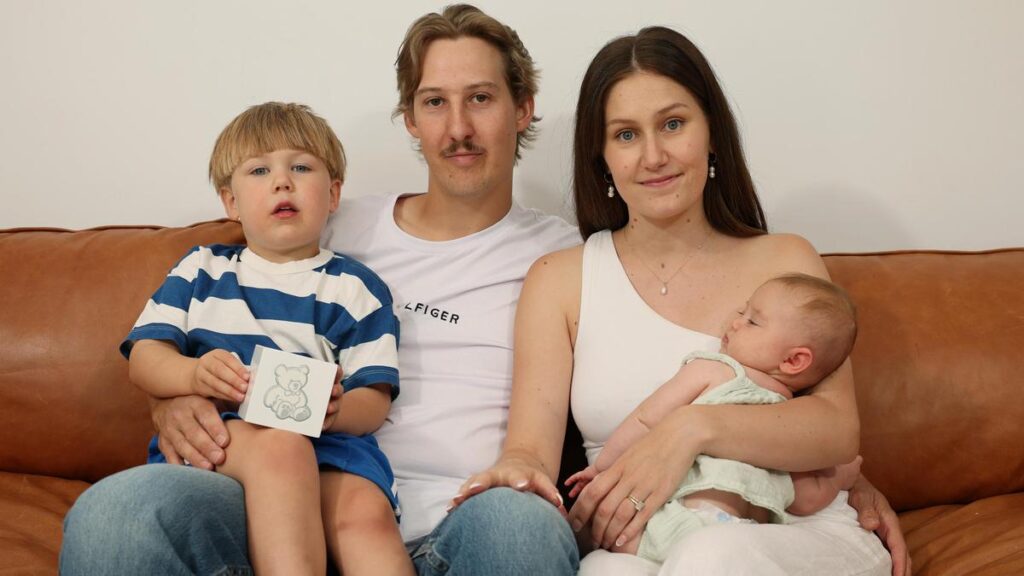
URGENT UPDATE: Families in Western Australia are facing devastating delays in coronial reports, compounding their grief after the loss of newborns. Recent reports reveal that the number of coronial cases taking over a year to resolve has surged by 30% in the 2024-25 period, reaching a staggering 1,049 cases. This backlog is severely impacting families like the Walkers, who have been left in limbo following the death of their son, Asher Walker.
For grieving parents, the struggle for answers is both emotional and urgent. Immi Walker, Asher’s mother, expressed her heartbreak, stating, “Being kept in the dark for so long has prolonged our grief.” The pain is intensified by the knowledge that critical delays in toxicology reports and post-mortem examinations are leaving other families at risk.
Authorities confirm that the State Coroner’s office is overwhelmed, prompting the appointment of an additional coroner for a limited time. However, this response has done little to alleviate the suffering of families eager for timely answers and preventative measures. With Western Australia enjoying $1 billion in windfall from record stamp duty and a booming iron price projected to deliver an additional $2 billion, families are demanding immediate action rather than empty promises.
Shadow Health Minister Libby Mettam criticized the government, stating it is “both cruel and negligent” for a wealthy state to allow such delays that could prevent future tragedies. The reality is grim: only 2% of the 3,360 coronial cases completed last financial year led to inquests, raising questions about resource allocation in the Coroners Court.
The Office of the State Coroner, tasked with “speaking for the dead and protecting the living,” reported making 56 recommendations last year. Yet, the coroner’s office lacks jurisdiction to investigate stillbirths, leaving families like the Walkers with unresolved questions about the circumstances of their children’s deaths.
Ms. Walker has taken the initiative to call for an investigation into birthing protocols for larger babies, motivated by her painful experience. “This fight could have begun years earlier had I received timely answers,” she lamented. As the state grapples with increasing coronial delays, families are left with the urgent need for change to prevent future tragedies.
As this situation develops, the community awaits a promised response from Premier Roger Cook, who has stated that any surplus funds will be directed towards health and housing. The time for action is now—families deserve better, and immediate measures must be taken to ensure that no one else has to endure such prolonged suffering in the face of loss.
Stay informed as we continue to cover this escalating issue, which affects not only grieving families but the entire community. The call for accountability and improvement in the coronial system is more crucial than ever.
