


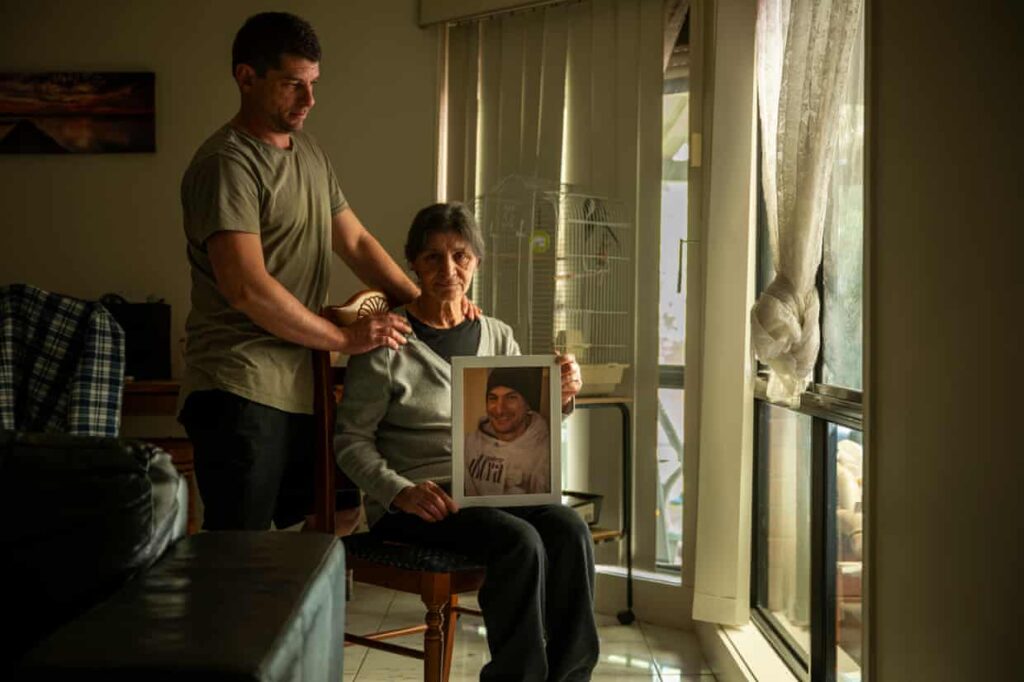
UPDATE: Families of individuals who died in custody are facing excruciating delays in compensation claims, with reports indicating waits of up to 10 months for medical panel assessments. This urgent situation follows the tragic death of Darren Culleton, who died while in police custody in 2021. His mother, Mary Culleton, expressed her frustration, stating, “Of course I want it to end,” revealing the emotional toll this protracted process has taken on grieving families.
The independent medical panels, crucial in determining compensation eligibility, are reportedly overwhelmed, with referral numbers escalating dramatically. An email from Peter Gibbons, the convener of Medical Panels, confirmed that delays have surged, with waits stretching to an alarming nine to ten months for psychological injuries. This has raised concerns that the Victorian government is using these lengthy evaluations to evade responsibility, further traumatizing families already in distress.
Darren Culleton’s death was ruled a “preventable tragedy” by a coroner in 2023, highlighting severe lapses in communication and procedures that contributed to his demise. The coroner, David Ryan, noted that “risks crystallised” during Culleton’s custody that ultimately led to his death, underscoring the urgent need for systemic changes in how custodial care is managed.
Families like that of Joshua Kerr, who died in 2022 from methamphetamine toxicity in Port Phillip Prison, are also caught in this bureaucratic quagmire. Kerr’s family members, including children aged 12 and 15 at the time of his death, have been referred to the same medical panels, compounding their trauma.
Advocates argue that these referrals have become “indiscriminate,” affecting vulnerable individuals, including children and Indigenous elders. Jeremy King, a lawyer representing the Culleton and Kerr families, criticized the tactic as a cheap method for defendants to reduce compensation claims.
Despite the government’s acknowledgment of these issues, the Medical Panels have not provided clarity on the current average wait times or the number of referrals. A spokesperson stated that efforts are underway to expedite the process, including recruiting additional specialists and expanding resources.
As families continue to grapple with prolonged grief and legal battles, the urgency for reform in the handling of custodial deaths and compensation claims becomes increasingly critical. The community is left wondering how many more will suffer under a system that appears to prioritize bureaucratic processes over justice.
For immediate support, Australians can contact Lifeline at 13 11 14 or the Indigenous crisis hotline at 13 YARN, 13 92 76.
The situation remains fluid, and further developments are expected as families demand timely justice and accountability from authorities.