



UPDATE: Major ecological changes are underway in Kosciuszko National Park as the population of feral horses has plummeted from approximately 17,000 to just 3,000 in a year. This significant reduction follows the November 2023 repeal of the law that granted these horses “heritage status,” allowing them to be treated like other invasive species in Australia.
This urgent development is reshaping the fragile alpine ecosystem, with early signs of recovery becoming visible. Areas previously stripped of native vegetation are showing signs of regrowth, while the risks posed by horses on park roads are diminishing, improving safety for visitors and researchers alike.
New South Wales authorities have confirmed that over 9,000 feral horses have been culled since 2021, and the current management plan aims to stabilize the remaining horse population at 3,000 until mid-2027. This plan balances ecological restoration with community concerns about heritage values.
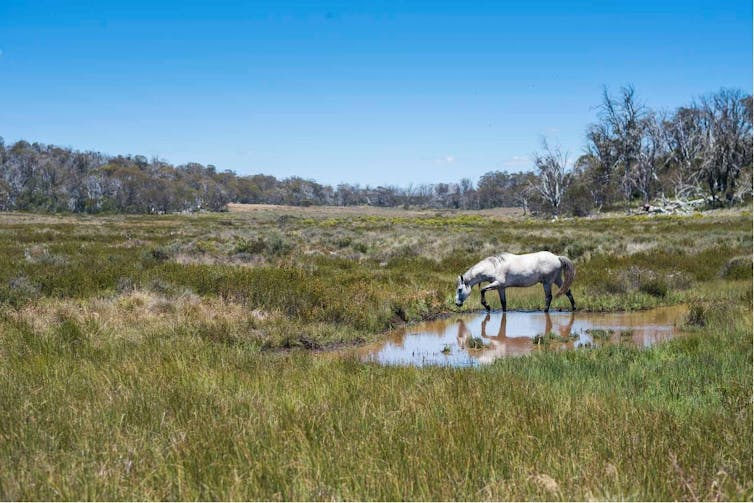
The impact of feral horses on Kosciuszko’s delicate ecosystems has been severe. Studies show that these animals damage vegetation, compact soil, and erode waterways, contributing to a decline in biodiversity. As horses consume about 8 kilograms of vegetation daily, their grazing habits have devastated slow-growing alpine grasses and herbs.
Authorities report that the trampling of horse hooves has led to significant degradation of critical habitats used by native species, including the corroboree frog and mountain pygmy possum. The Australian Alps, which provide nearly a third of the surface water for the Murray-Darling Basin, have suffered from muddy streams and destabilized water flows due to horse activity.
With fewer horses now in the park, researchers have noted promising signs of recovery. Observations indicate that areas previously trampled by horses are beginning to show new pockets of vegetation, hinting at a landscape regaining its vitality.
While these changes are encouraging, experts caution that recovery will be a slow process. Alpine ecosystems heal gradually, and the scars of past disturbances may linger for decades. However, the removal of legal protections for feral horses marks a pivotal shift towards restoring Kosciuszko National Park to its natural state.
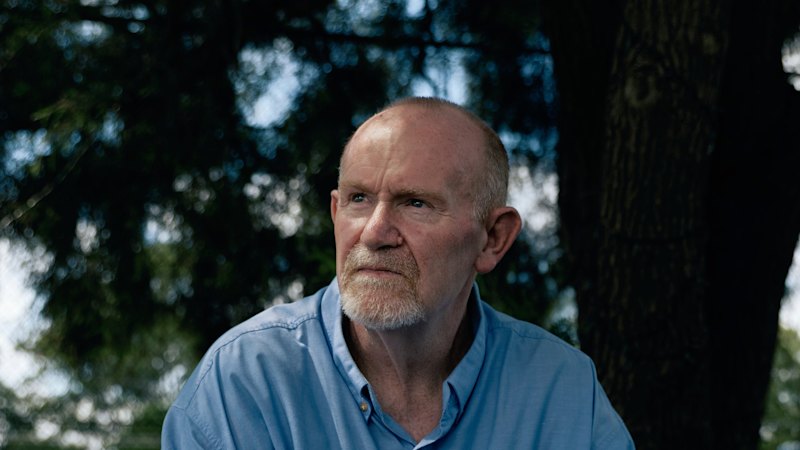
As David M Watson and Patrick Finnerty, researchers involved in the park’s recovery efforts, share their insights, they emphasize the importance of continued monitoring and targeted restoration efforts. The next decade will be crucial in determining how much of Kosciuszko’s fragile heritage can be restored, paving the way for a more sustainable future.
Stay tuned for further updates as the situation develops in Kosciuszko National Park, where the delicate balance between heritage and ecology is finally being addressed. The community is eager to see the positive transformations and the long-term effects on both the environment and visitor safety.