


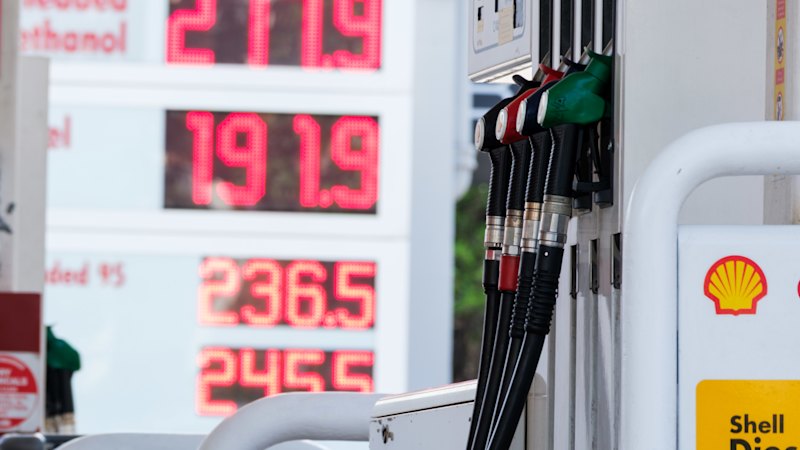
UPDATE: Fuel prices in Australia are soaring, with some service stations now charging over $2.20 per litre. Former head of the Australian Competition and Consumer Commission, Rod Sims, has condemned petrol stations’ claims linking these price hikes to the ongoing conflict in Iran as “misleading.”
Just hours after the spike was reported on March 5, 2026, Sims emphasized that the timeline does not align with the recent volatility in oil prices, which surged 10 percent last week. Experts assert that it typically takes at least a week for global oil price fluctuations to impact Australian fuel costs.
“There can’t be any cost increases flowing through yet,” Sims stated, urging the ACCC to investigate these claims closely. With the conflict in the Middle East escalating, concerns over crude oil supplies are mounting. However, a recent analysis by the National Roads and Motorists Association (NRMA) revealed that more than half of petrol stations in Sydney and Melbourne are raising prices prematurely, charging between 5¢ to 10¢ above expected levels.
This trend comes despite the Albanese government‘s clear warnings against price gouging. Major petrol operators, including Ampol, Viva Energy, BP, and ExxonMobil, have declined to comment on the situation.
The average price for regular unleaded in Melbourne reached $2.09, while Sydney now holds the highest fuel prices in the country at $2.13 per litre. Shocking data shows that some outlets are charging nearly $2.28 per litre, prompting an outcry from consumers.
NRMA spokesman Peter Khoury expressed deep concern, stating that average fuel prices are “way over where they should be” given the timing of the price hikes. “Neither a daily spot price nor a 14-day contract purchase justifies half the service stations in Australia’s three largest capital cities currently selling fuel at 60¢ or 70¢ per litre higher than what they bought it for,” Khoury added.
As the situation develops, motorists are feeling the pinch at the pump. With the majority of service stations pricing themselves out of reach, many consumers are flocking to those offering more reasonable rates. “Half [of the service stations] are exorbitant right now, meaning the other half … is seeing a rush to those service stations because the discrepancy is so high,” Khoury noted, highlighting the urgency for action.
Authorities continue to monitor the situation closely, and consumers are advised to remain vigilant against potential price gouging. The implications of the conflict in Iran may lead to even higher transport costs in Australia, impacting household budgets across the nation.
Stay tuned for more updates as this situation unfolds.