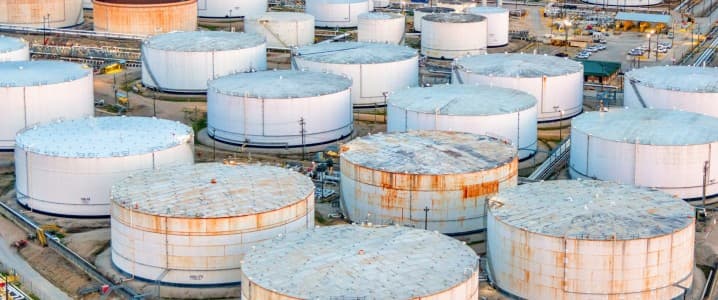




Oil prices surged dramatically as conflict erupted in the Middle East, with Brent crude reaching a peak of $119 per barrel and WTI oil climbing to over $115. This escalation followed the United States and Israel’s coordinated airstrikes on Iran on February 28, 2024, which targeted military facilities and resulted in significant casualties, including the death of Iranian Supreme Leader Ali Khamenei. The ongoing violence has caused widespread disruptions in global supply chains, threatening economic stability worldwide.
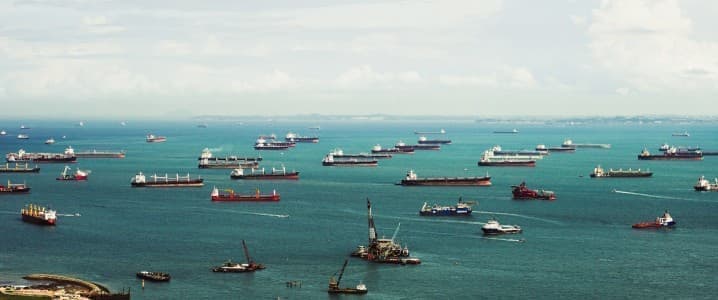
The Strait of Hormuz, a critical maritime route that carries approximately 20 percent of the world’s oil and a significant portion of liquefied natural gas (LNG), has effectively been rendered impassable. Although no formal closure has been declared, Iran’s Revolutionary Guard announced a blockade against allied shipping, prompting insurers to withdraw coverage. This withdrawal has led to a drastic reduction in tanker traffic, with daily vessel movements plummeting from an average of 138 to just two.
The implications of this blockade extend far beyond oil shipments. Major shipping lines, including Maersk and Hapag-Lloyd, have suspended operations, leading to a backlog of over 147 container ships trapped in the Persian Gulf. As a result, overall shipping costs have skyrocketed, with charter rates for LNG vessels soaring by 650 percent within a week, from $40,000 to $300,000 per day.
Economic Fallout from the Conflict
As global supply chains buckle, food production faces a critical threat. The production of ammonia, essential for nitrogen fertilizers, relies heavily on natural gas, which is transported through the Strait of Hormuz. With the ongoing conflict, fertilizer prices have already risen by 35 percent in regions such as Egypt. As spring planting approaches in the Northern Hemisphere, farmers will soon feel the effects of these price hikes, which could lead to reduced crop yields and subsequent food shortages later in the year.
The disruption has also severely impacted air travel and cargo capacity. More than 20,000 flights have been grounded since the conflict began, resulting in a 18 percent decline in global air cargo capacity. This reduction hampers the transportation of vital goods, including pharmaceuticals and perishable items, exacerbating shortages in critical markets. The European Aviation Safety Agency has advised against flying over several Middle Eastern countries, further limiting air travel options.
Additionally, the ongoing conflict is intertwined with a complex tariff landscape. A recent Supreme Court ruling invalidated several previously imposed tariffs, leading to new 10 percent global tariffs announced by former President Donald Trump. This new tariff regime complicates an already strained economic situation, as businesses grapple with increased operational costs and disrupted supply chains.
Inflationary Pressures Mount
Inflation is poised to rise significantly as a result of these disruptions. Prior to the conflict, U.S. core inflation had shown signs of easing, but projections indicate that if oil prices remain elevated, inflation could increase from 2.4 percent to 3 percent by year-end. Similar trends are anticipated in Europe and Asia, where energy prices are already surging.
The war’s impact on inflation is compounded by the ongoing economic fallout from previous tariff regimes and the rising costs associated with shipping and energy. Even modest increases in energy prices can have a cascading effect on consumer goods, significantly affecting household budgets and economic growth prospects.
As the conflict continues, the political ramifications are already becoming evident. Public sentiment is shifting, with increasing discontent towards the handling of inflation and economic stability. Polls indicate that a significant portion of the electorate disapproves of current leadership, reflecting concerns about the direction of national policy in the face of mounting economic challenges.
The long-term consequences of this crisis remain uncertain. Experts warn that if the conflict persists, it could lead to more profound disruptions in global trade and supply chains, creating a scenario where inflation becomes entrenched rather than a temporary issue. The interconnected nature of the global economy means that the effects of this war will linger long after the immediate violence has ceased, impacting consumers and businesses alike.
In conclusion, the current geopolitical crisis serves as a stark reminder of the fragility of global supply chains and the potential for widespread economic disruption. As stakeholders navigate these turbulent waters, the focus must shift towards finding solutions to mitigate the impact on ordinary citizens who bear the brunt of these crises.