




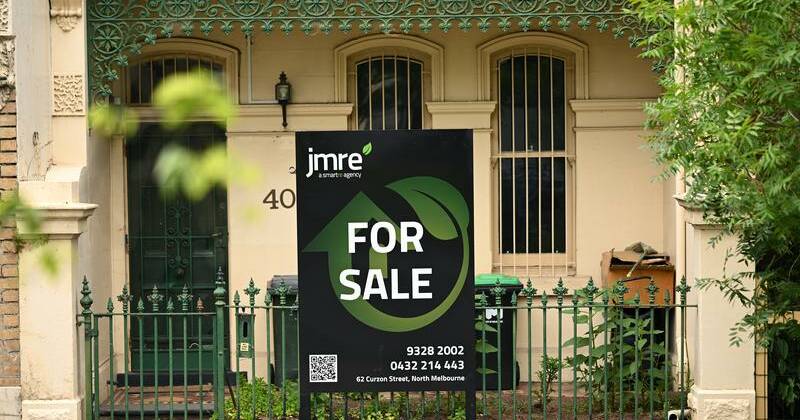
UPDATE: The Greens are pushing for reforms to the capital gains tax as the Australian government considers reducing the current 50 percent discount on investment properties to 33 or even 25 percent. This urgent discussion comes as federal Treasurer Jim Chalmers has yet to rule out changes, prompting widespread debate among economists and political leaders.
The proposed adjustments are aimed at addressing intergenerational inequity and sluggish productivity in Australia. Nick McKim, a senator from the Greens, stated, “This is a historic opportunity to bring about significant reform to the eye-wateringly generous capital gains tax break, which overwhelmingly benefits the wealthy.” This sentiment reflects growing concerns about housing affordability and economic disparity.
Earlier today, Allegra Spender, an independent MP, supported the idea of tax reforms being revenue neutral. She expressed cautious optimism, saying, “I’m glad the treasurer is open to reform, but changing one tax can’t overcome intergenerational inequity or housing affordability.”
However, not all stakeholders are on board. The Australian Chamber of Commerce and Industry cautioned against “one-off revenue grabs,” urging the government to seek comprehensive tax reform that lessens the overall tax burden. Chief executive Andrew McKellar warned, “From a business point of view, we’re very cautious about anything that involves a tax increase.”
While the Labor Party currently holds a majority in the lower house, they will need support from either the Greens or the Liberals in the Senate to pass any significant changes. The opposition has already voiced its opposition to altering the capital gains tax.
As the government grapples with these critical discussions, experts suggest that reducing the capital gains tax discount could be a part of broader productivity-boosting reforms in the May budget. Shane Oliver, chief economist at AMP, emphasized that shifting the tax burden from income to goods and services could enhance incentives to work and invest.
Further complicating matters, Stephen Smith from Deloitte Access Economics noted that while reducing the capital gains discount is a worthwhile reform, it may have limited impact on productivity. He stated, “We need a broader basket of reforms, particularly around company tax investment allowances.”
The government’s approach to these reforms will be closely watched, especially as inflation remains a pressing issue. The Reserve Bank of Australia may have to consider further interest rate hikes if spending isn’t controlled. Dr. Oliver highlighted the need for immediate action, suggesting that cutting spending and increasing means-testing for subsidies should be priorities.
With these developments unfolding, the potential changes to the capital gains tax could reshape Australia’s economic landscape, impacting home prices and investor behavior. The next steps from the government could be pivotal, and the political and economic ramifications of these discussions are expected to play out in the coming weeks.
Stay tuned for more updates as this story develops.
