




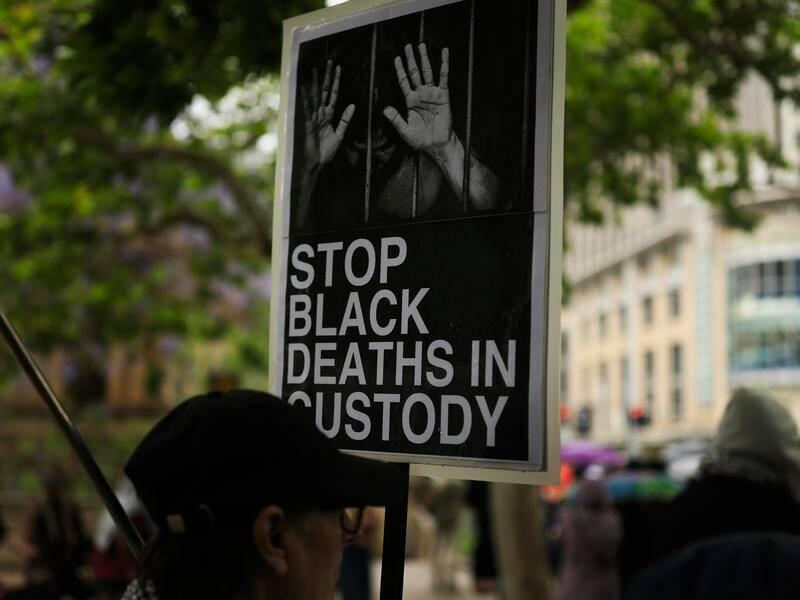
URGENT UPDATE: Indigenous deaths in custody have reached a shocking high, with 33 Aboriginal and Torres Strait Islander people dying in custody in 2024/25, the highest number since 1979/80. This grim statistic has sparked outrage among advocates who warn that political maneuvering is costing lives.
The total number of Indigenous deaths since the 1991 Royal Commission into Aboriginal Deaths in Custody now stands at 617. The data highlights an alarming trend: as the population of Indigenous people in Australian prisons surges, so do deaths. National Aboriginal and Torres Strait Islander Legal Services acting chair Nerita Waight stated, “There are more Aboriginal and Torres Strait Islander people in prison now than ever before,” attributing the record deaths to government policies prioritizing political gain over human lives.
Independent senator Lidia Thorpe condemned the statistics as a “national disgrace,” emphasizing the impact of “violent colonialism” on Indigenous communities. “How many more of our people do we need to bury before governments stop sacrificing our lives for political gain?” she questioned.
Latest figures reveal that New South Wales (NSW) recorded its highest number of deaths in custody in 45 years, with nine deaths reported in 2024/25. State coroner Teresa O’Sullivan noted that by October 2025, the number of Indigenous deaths in NSW prisons had already reached 12, labeling it a “profoundly distressing milestone.”
Research from the Australian Institute of Criminology indicates that Indigenous people accounted for 29 percent of all deaths in custody this year, up from 23 percent the previous year. Despite making up only four percent of Australia’s total population, Indigenous Australians represent over a third of the prison population.
The report reveals that of the 90 deaths in prison custody during this period, 26 were Aboriginal or Torres Strait Islander individuals, with one death occurring in youth detention. Alarmingly, over 40 percent of these deaths involved individuals who had not been sentenced.
The causes of death show a troubling trend, with an equal number attributed to natural causes and self-inflicted injuries. This year marks the highest number of self-inflicted Indigenous deaths in custody since 1979/80. Dr. Samantha Bricknell noted, “We have seen an unfortunate increase in self-inflicted deaths,” particularly among those on remand.
In a chilling reminder of the failures to act, eight individuals died by hanging, despite the Royal Commission’s 339 recommendations aimed at preventing such tragedies. Ms. Waight emphasized, “It is utterly unacceptable that more than 30 years later we are still waiting for governments to implement the recommendations of the royal commission.”
As these alarming statistics continue to emerge, the urgency for action grows. Advocates are calling for immediate reforms and accountability from governments to prevent further loss of life in custody. The question remains: how many more lives must be lost before meaningful change occurs?
Stay tuned for more updates as this critical issue develops.
