


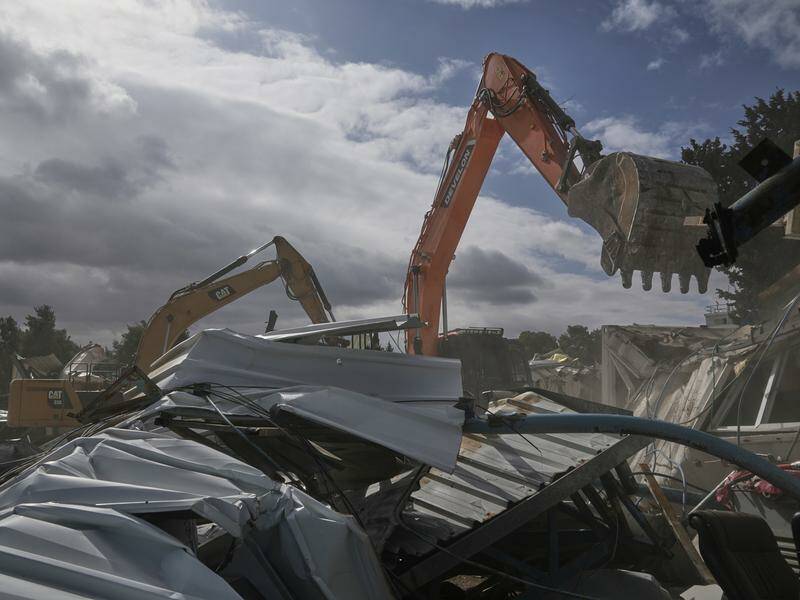
Israeli authorities have begun demolishing the Jerusalem headquarters of the United Nations Relief and Works Agency for Palestine Refugees in the Near East (UNRWA), intensifying their crackdown on the agency that provides critical humanitarian services to millions. This action follows Israel’s 2024 legislation banning UNRWA from operating within its territory, accusing the organization of collusion with Hamas, a claim that UNRWA has consistently denied.
On March 5, 2024, Israeli forces bulldozed the facilities located in the Sheikh Jarrah neighborhood. UNRWA reported through its social media account on platform X that staff were forcibly removed and personal devices confiscated during the operation. UNRWA condemned the demolition, stating, “This is an unprecedented attack not only against UNRWA and its premises. It constitutes a serious violation of international law and the privileges and immunities of the United Nations.”
The Israeli government has long criticized UNRWA, alleging it harbors pro-Palestinian sentiments and has connections to Hamas. Israel’s Foreign Ministry confirmed that the demolition was a direct result of the new law prohibiting UNRWA’s operations. National Security Minister Itamar Ben-Gvir, who was present during the demolition, referred to the event as a “historic day” for Israel.
UNRWA plays a vital role in supporting approximately 2.5 million Palestinian refugees in Gaza, the occupied West Bank, and East Jerusalem, along with an additional three million refugees in Syria, Jordan, and Lebanon. The agency provides essential services, including healthcare, education, and infrastructure maintenance in Palestinian refugee camps. Refugees rely on UNRWA for basic necessities, making any disruption to its operations deeply concerning.
Tensions have heightened in the region since the outbreak of conflict following a Hamas-led attack on Israel in 2023. Israeli officials have repeatedly accused UNRWA of being infiltrated by Hamas militants, claiming that the group uses its facilities to conduct operations and seize aid. Despite these assertions, the United Nations has denied any corroborating evidence.
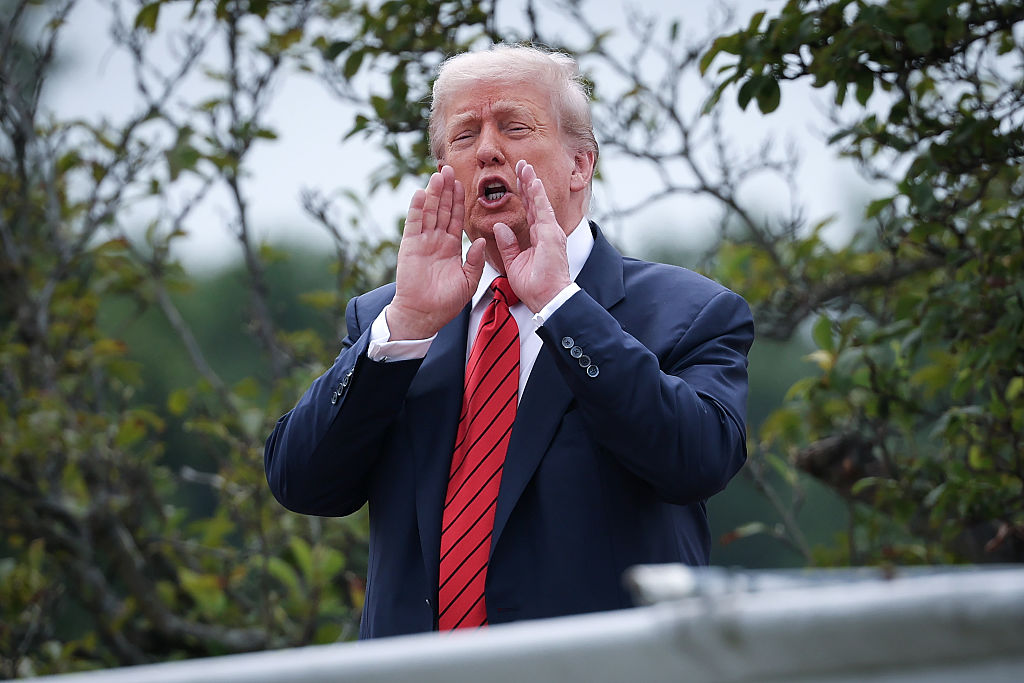
Supporters of UNRWA argue that Israel’s actions aim to divert attention from the plight of Palestinian refugees, a pivotal issue in the Israeli-Palestinian conflict. The agency faced significant funding cuts in 2018 when the Trump administration withdrew financial support. In 2024, Israel’s Knesset passed a law further restricting UNRWA’s operations, including severing ties with government employees and removing legal protections for its staff.
The ban on UNRWA aligns with broader Israeli initiatives to deregister various humanitarian organizations in the region. New laws require non-governmental organizations to avoid hiring individuals associated with activities deemed to “delegitimize Israel” or promote boycotts. The government has informed groups like Doctors Without Borders and CARE that their operational licenses will lapse at the end of 2025. These organizations have criticized the regulations as arbitrary and potentially detrimental to civilians in need of assistance.
As this situation continues to evolve, the humanitarian impact on Palestinian refugees remains a pressing concern, with many dependent on UNRWA’s support for their day-to-day survival. The demolition of its headquarters not only signifies a critical blow to the agency’s operations but also raises significant questions about the future of humanitarian aid in the region.