




UPDATE: Just 32 on-water breath tests have been conducted in Western Australia since marine officers gained new powers in late 2024, raising urgent questions about the effectiveness of the $550,000 program. As of December 15, only three tests have taken place in the last three months, with a staggering cost of over $17,000 per test.
The program, which allows officers to test skippers for alcohol and drugs, has seen only 11 skippers caught over the legal limit since its inception. Alarmingly, no infractions have been reported since August. Under current laws, boat operators face penalties equivalent to those for road drivers, including fines ranging from $1,000 to $2,250 and potential disqualifications.
Officials from the Department of Transport and Major Infrastructure (DTMI) revealed that the program’s low testing rate stems from its policy, which does not allow for random checks. Testing usually occurs only after an incident or if there is reasonable suspicion of impairment. A DTMI spokesperson emphasized, “The majority of skippers do the right thing when operating a vessel and stay within the drug and alcohol limits.”
Despite the program’s intent to enhance safety on the waters, Shadow Transport Minister Steve Martin criticized the low number of tests. He questioned the effectiveness of spending nearly $550,000 on a program that has conducted just 32 tests. “Three tests in the past three months is a very low number considering the resources put into this program,” Martin stated. He highlighted a previous government acknowledgment of drugs and alcohol as significant factors in marine-related fatalities.
The program’s implementation faced delays, as marine officers only began testing in late 2024 after their training was completed. The first skippers tested included a 22-year-old man from Bicton, who was caught with a blood alcohol level of 0.098 after exhibiting reckless behavior on Boxing Day.
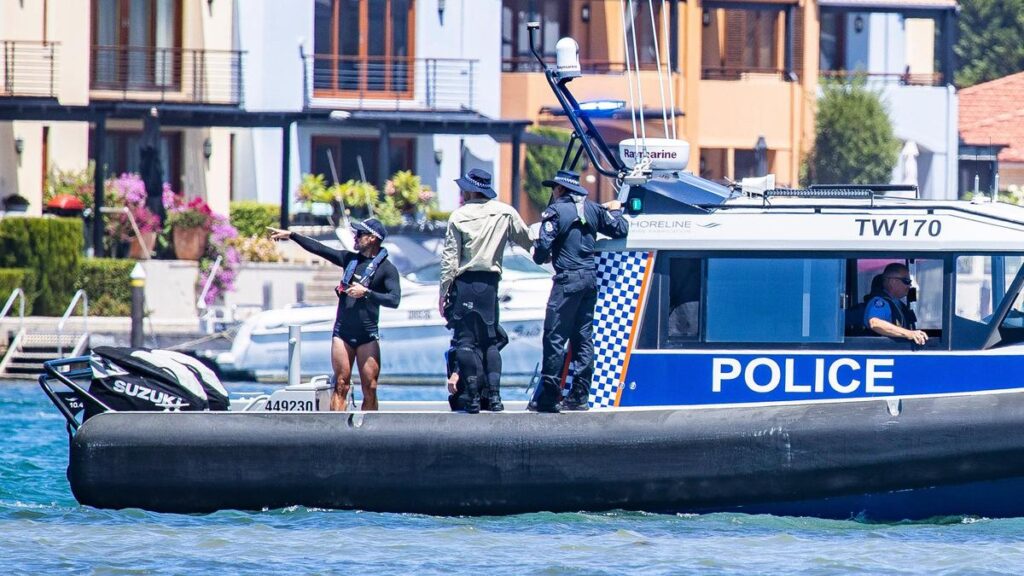
As the festive season approaches, DTMI officials advise that boat operators can expect increased enforcement. “Water users should expect marine officers to maintain a presence on the water and at boat ramps across the State,” a spokesperson said. They urged skippers to ensure compliance with safety regulations before heading out.
With the summer months drawing closer, the effectiveness of this costly initiative will be closely monitored. Stakeholders are left to wonder if the program will evolve to better address safety concerns on WA’s waterways.
Stay informed for further updates as this developing situation unfolds.
