



UPDATE: New reports reveal a staggering potential $2.3 billion power bill shock looming for Western Australians as Labor’s renewable energy strategy faces scrutiny. Officials are urging the public to brace for the impact of rising electricity costs driven by a push to decarbonize by 2050.
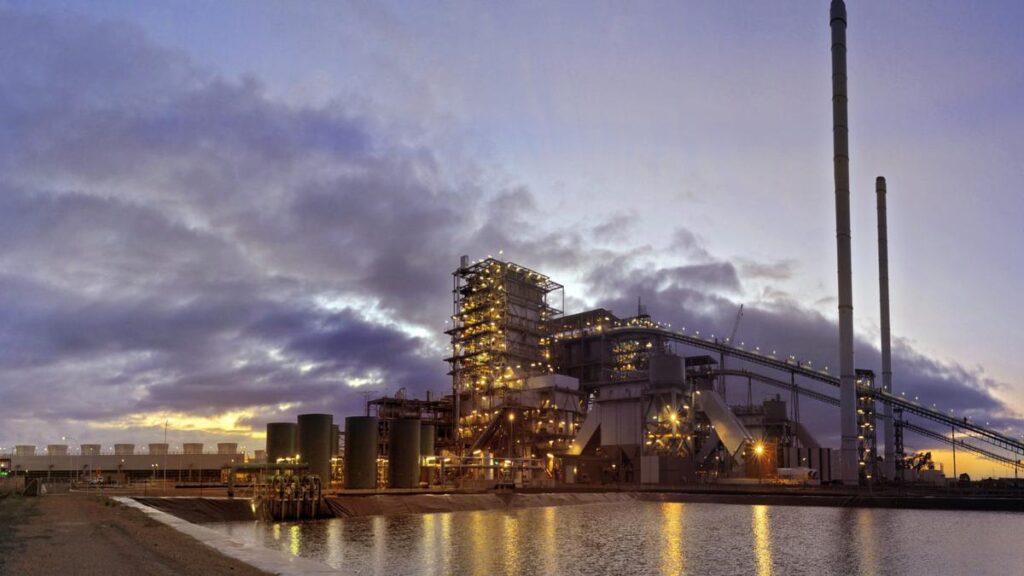
The urgency is palpable following Labor’s latest intervention in the energy market, with the recent $308 million bailout for Griffin Coal raising alarms about the *real* costs of transitioning to renewable energy. Premier Mark McGowan stated, “If we did not intervene, it would have meant we were switching the lights off in Western Australia,” a concerning acknowledgment of the state’s precarious energy reliability.
Authorities report that the transition away from coal is not just a matter of policy but is intertwining with significant financial implications for taxpayers and consumers. As the renewable sector receives a flood of government subsidies, the true financial burden remains obscured from public view.
One of the most notable projects, Frontier Energy’s solar and battery initiative in Waroona, 120 km south of Perth, is set to capitalize on soaring energy prices. According to their Australian Stock Exchange announcement, expected wholesale electricity prices in 2025 are projected to reach record highs of $88/MWh, with peak periods hitting $120/MWh.
This transition is largely fueled by a unique subsidy mechanism called the Reserve Capacity Mechanism, designed to keep renewable power profitable amid fluctuating market conditions. Frontier estimates it will earn $160 million over the first five years of operations by securing 88.06 MW of capacity credits, essentially guaranteeing income for being available to supply energy during peak demand.
However, the ramifications of this financial engineering are severe. Energy Policy WA acknowledges that the viability of renewables may decline past 2030, necessitating continued subsidies to maintain investor interest. This means taxpayers will bear the cost of keeping power prices artificially high to attract business to the renewables sector.
The potential for a $2.3 billion annual cost from the Reserve Capacity Mechanism alone is staggering. While the actual cost may fluctuate closer to $1.77 billion due to transitional arrangements for existing participants, the financial strain on consumers is undeniable.
As Frontier’s CEO Adam Kiley pointed out, the reliance on fossil fuels remains significant, with coal and gas contributing approximately 57 percent of electricity supply. Despite Labor’s ambitions to transition to 82 percent renewable energy by 2030, the pace of change is alarmingly slow, with only one new renewable facility added to the grid since 2021.
The government’s mixed messaging and recent decisions, including the extension of coal mining into the 2030s, signal a desperate attempt to ensure energy reliability at any cost. As Labor navigates the complexities of this transition, the question remains: who will pay the price?
Watch for further updates on this developing story as the situation evolves. The implications of Labor’s energy policies are becoming increasingly clear, and the potential for significant financial repercussions for Western Australians is an urgent reality that cannot be ignored.