
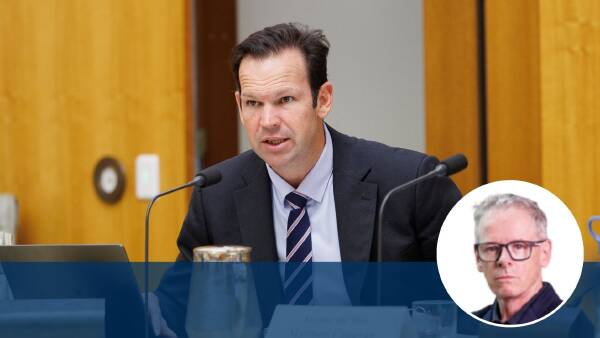
The National Party of Australia has appointed Matt Canavan, a prominent supporter of the coal industry, to its leadership in a bid to address the rising influence of far-right politics. This decision reflects an urgent response to the shifting dynamics within Australian politics, particularly the growing threat posed by Pauline Hanson and her One Nation party. Canavan’s selection signals the party’s recognition of the need to solidify its position amid increasing electoral fragmentation.
Canavan, 45, has been tasked with countering the appeal of One Nation, which has gained traction with its nostalgic vision of Australia as a predominantly white nation, overshadowed by what it terms “woke cosmopolitanism” and “mass” immigration. With Canavan in the lead, the National Party aims to neutralize the influence of former leader Barnaby Joyce, who has been a significant figure in regional politics. Joyce’s recent departure from the party leadership under David Littleproud has further complicated the political landscape, as opinion polls indicate One Nation is gaining ground against the Coalition and closing in on Labor‘s voter share.
The struggle for dominance between the National Party and One Nation highlights the precarious position of traditional political establishments in Australia. Canavan’s leadership comes at a time when none of the four leaders elected following the 2025 election are still in their roles. This instability raises concerns about the future of the Coalition, particularly as recent appointments have not included representatives from urban lower house seats, which traditionally have been strongholds for the Liberal Party.
Littleproud’s resignation, marked by his declaration that he was “buggered,” highlighted the challenges facing the National Party. He claimed to have been an effective leader, citing policies that positioned the Nationals as influential within the Coalition, such as their opposition to the Voice referendum and support for a nuclear power initiative. Yet, these very achievements may reflect the reasons behind the Liberal Party’s decline in urban areas, illustrating a significant contradiction in the Coalition’s strategy.
Looking ahead, the implications of Canavan’s leadership are uncertain. Newly appointed shadow treasurer Tim Wilson has suggested that Canavan’s approach could allow the Liberals to embrace a more distinctively liberal identity. He argues that the National Party’s focus on economic populism could create space for the Liberals to redefine their platform. However, this raises questions about the unity of the Coalition, especially as Canavan’s populist style may challenge traditional Liberal values.
Canavan’s strategy will likely involve matching or exceeding the populist rhetoric of Hanson, while attempting to draw distinctions on more contentious issues. His determination to combat the threat from One Nation could lead to heightened tensions within the political landscape, particularly as Hanson seeks to frame Canavan as “woke” to appeal to regional Australians.
The ramifications of these developments are significant for the future of Australian politics. With the National Party and the Liberal Party facing internal challenges, the question remains whether they can effectively navigate the shifting allegiances of their voter bases. As the political climate continues to evolve, the ability of these parties to adapt may determine their survival in a landscape increasingly dominated by far-right sentiments.