



UPDATE: As the world prepares to welcome January 1, 2024, New Year’s celebrations are steeped in deep-rooted customs that blend tradition, superstition, and modern practices. Global observers are witnessing a resurgence of age-old rituals, with people eager to embrace hope and prosperity for the coming year.
From the ancient Babylonians, who celebrated for 11 days, to contemporary customs worldwide, New Year’s Eve is a pivotal moment filled with significance. In Croatia, local traditions dictate that the first night of the year sets the tone for the months ahead, compelling many to enter the new year with joy and positivity.
Households across Croatia are meticulously preparing for the celebrations. It is believed that the cleanliness of homes and the bounty of the New Year’s table can influence fortune for the entire year. Traditional foods play a vital role:
– Pork symbolizes progress and good luck.
– Chicken is avoided due to its tendency to “scratch about,” suggesting misfortune.
– Rabbit and fish are also shunned, as they are thought to bring bad luck.
In a fascinating twist, customs dictate the importance of who is the first to extend congratulations on New Year’s Day. A man crossing the threshold first is deemed lucky, while dark-haired men are traditionally favored over their red-haired counterparts.
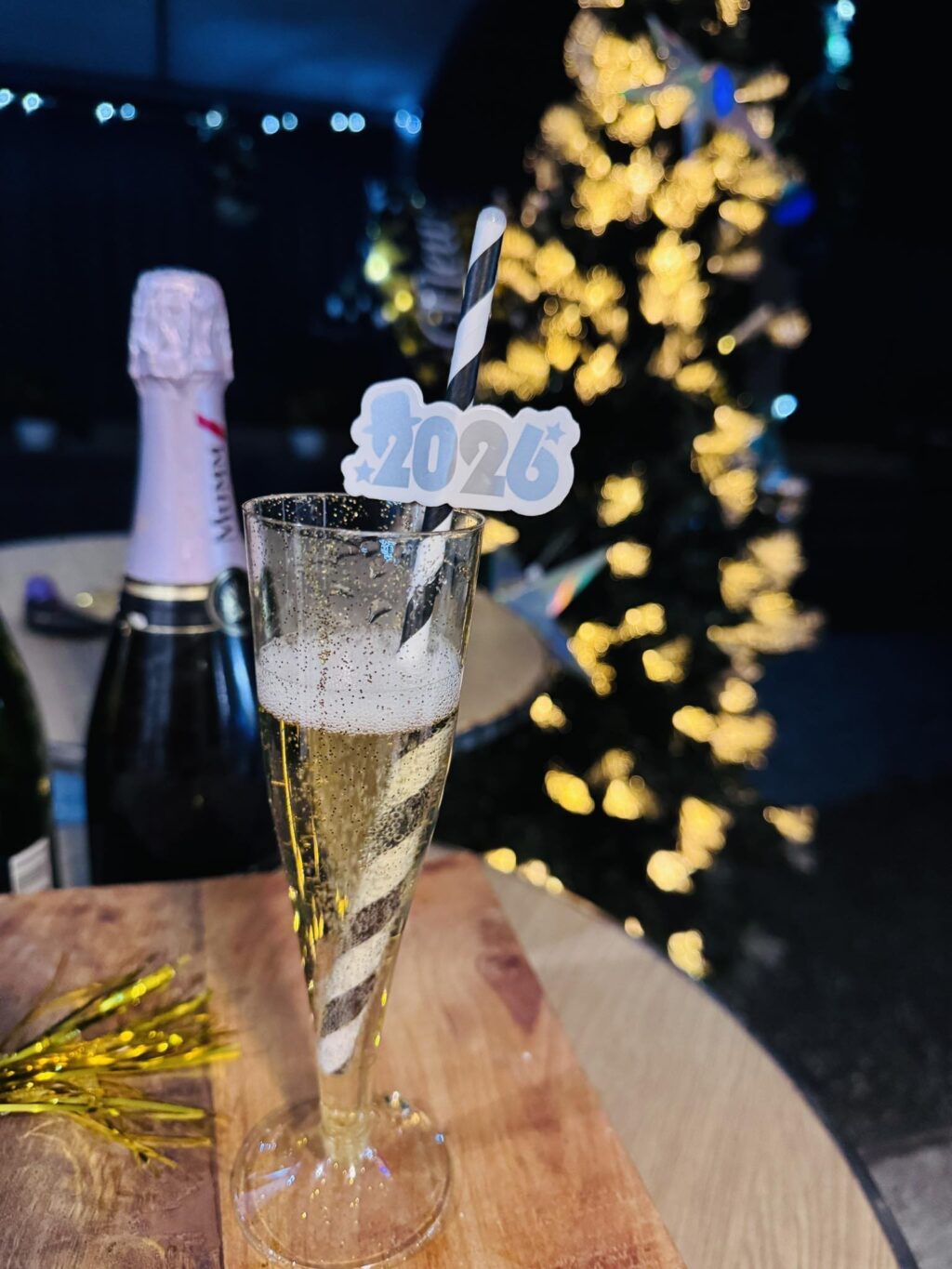
The tradition of toasting on New Year’s Eve, originating from the ancient Anglo-Saxons, remains lively. It is crucial to pour drinks into glasses before placing them on the table, ensuring that toasting occurs with a filled glass—a practice steeped in hope for health and happiness.
Across Spain, the custom of wearing red underwear to attract love and joy has gained popularity worldwide. However, this tradition carries strict guidelines; the red must be a gift, and after midnight, it should be discarded to ensure its “magic” works effectively.
A long list of prohibitions exists in various cultures to ward off misfortune. For instance, spending money on January 1 could forecast a year of financial struggles, while washing hair could lead to persistent headaches. The act of hanging laundry is also frowned upon, as it’s believed to invite bad luck.
As midnight strikes, celebrations are loud and vibrant. Blowing horns, ringing bells, and banging pots are not mere festivities; they are time-honored practices believed to drive away evil spirits, making way for a fresh start.
In Croatia, the tradition of extending New Year greetings spans from December 25 until January 6, with a peak in exchanges occurring on New Year’s Eve and the first day of the new year. While physical greeting cards were once the norm, digital messages dominate today’s celebrations.
These customs connect people with their heritage, providing a sense of belonging and continuity. The universal desire for health, happiness, and prosperity remains at the heart of these rituals.
As the countdown to 2024 continues, communities worldwide are eager to participate in these time-honored traditions. Will you embrace the old customs or create new ones? Share your celebrations and join the global conversation today.
Happy New Year—may it be filled with joy and prosperity!