


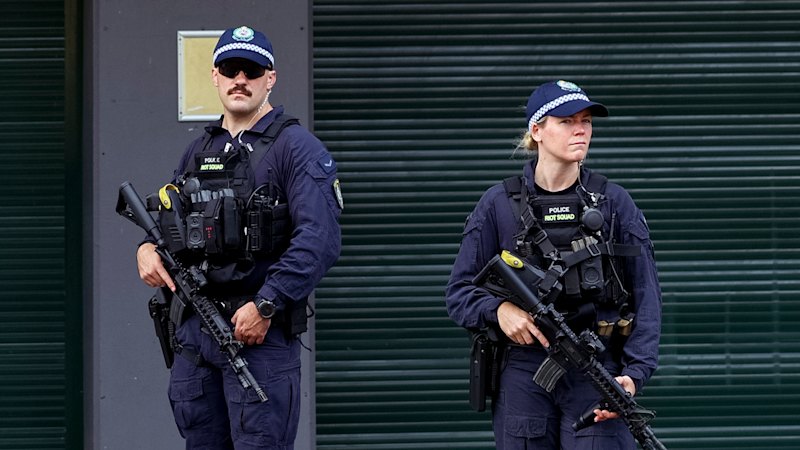
UPDATE: The NSW Government has just announced the launch of a new, permanent rapid response police unit aimed at combating escalating violent crime. The unit, comprising approximately 250 officers and 28 administrative staff, will be equipped with long-arm rifles and rapid response vehicles, set to be fully operational around the clock.
This significant move follows the tragic Bondi Beach terror attack on December 14, 2025, and marks a shift towards what officials describe as “intelligence-led policing.” The new unit is tasked with patrolling high-risk areas, safeguarding public events, and responding swiftly to emerging threats.
The introduction of this unit is a crucial turning point in police strategy in NSW. Moving forward from the temporary Operation Shelter, which was established during heightened social tensions after the Gaza War on October 7, 2023, the new unit aims for a proactive approach to crime prevention. This unit will function continuously, engaging in surveillance and patrols to disrupt potential criminal activities before they escalate.
As NSW Police Commissioner Mal Lanyon emphasized, “Our priority is not only ensuring the community is safe but that people also feel safe, while providing a deterrence to anyone who wants to do harm.” However, the response to this initiative is mixed. Critics are voicing concerns that expanding police powers could lead to increased tensions and even violence, echoing recent incidents in the US where similar measures resulted in unrest.
While studies suggest that place-based interventions can yield short-term crime reductions, historical data indicates that proactive policing can sometimes have the opposite effect, potentially increasing major crimes. The fallout from incidents like the recent policing violence in major US cities raises questions about the implications of heightened police presence in communities.
Lawmakers are divided on the effectiveness of this new unit, particularly regarding its potential impact on lawful protests and civil liberties. Critics argue that the expansion of police powers could inadvertently create more harm than good, especially in communities already feeling the strain of law enforcement scrutiny.
The NSW Government’s decision to implement a rapid response police unit raises urgent questions about accountability and community engagement. Will these officers reflect the communities they serve? How will their effectiveness be measured, and who will have a say in evaluating their impact?
Premier Chris Minns stated, “Because our security challenges have changed, our policing model needs to change with them.” As this new unit begins its operations, the focus will be on whether it can adapt to community needs while ensuring safety without exacerbating tensions.
Citizens are urged to stay informed as this story develops, and to consider the broader implications of police strategies on community relationships and public safety. The future of policing in NSW hangs in the balance as officials seek to implement changes that reflect both urgency and community trust.