




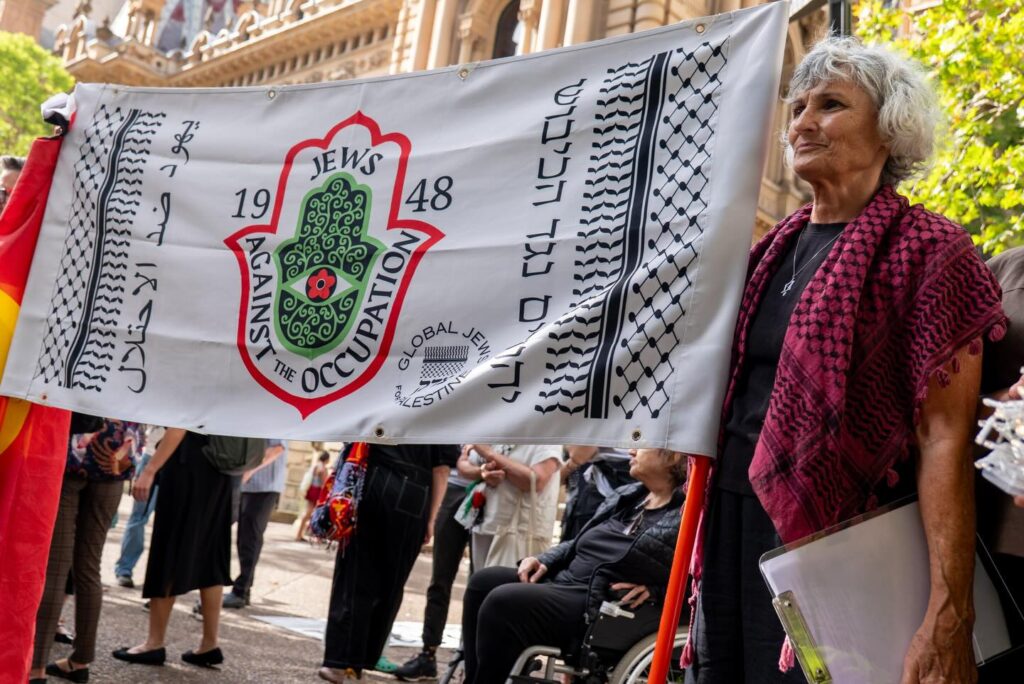
BREAKING: The NSW Parliament has just passed a sweeping anti-protest bill in the wake of the devastating Bondi massacre. The Terrorism and Other Legislation Amendment Bill 2025 was approved at 3 AM today after an emergency session, igniting fierce debate over public assembly rights and police powers.
The new legislation enables police to ban protests for up to 90 days following a declared terrorist incident. This unprecedented power, termed a Public Assembly Restriction Declaration (PARD), can be enacted within 14 days of such an incident, effectively sidelining peaceful political gatherings. Critics warn this measure could lead to severe consequences for civil liberties in the state.
Police will now have the authority to disperse protests and prevent new assemblies from forming, even where no illegal activity is occurring. Furthermore, individuals participating in protests within PARD-designated areas may lose legal protections typically afforded to authorized gatherings, raising alarms over potential criminal liabilities.
The legislation also expands police powers to require protesters to remove face coverings based on reasonable suspicion of offending. These changes follow statements from Premier Chris Minns about potential collaborations with the Community Security Group (CSG), a Jewish security organization reportedly linked to Mossad, regarding armed security presence at public events.
Critics, including the Jewish Council of Australia, have voiced concerns over the politicization of grief following the Bondi attack, urging the government not to use this tragedy to stifle freedoms. David Ossip, president of the Jewish Board of Deputies, condemned recent protests, stating, “Public protest cannot become a license to threaten or terrorize minority communities.”
In her introduction of the bill, Yasmin Catley, the police and counter-terrorism minister, emphasized the need for robust measures to protect public safety in the aftermath of terror incidents. “The ability to completely prohibit the authorization of any public assemblies is critical,” she stated, highlighting fears that large gatherings could exacerbate community tensions.
Opposition leaders are calling for even harsher penalties, proposing fines and prison terms for protest organizers and participants during restricted periods. Shadow Attorney General Alister Henskens warned that without these tougher measures, protests could quickly resume, leading to unrest.
As the dust settles on this controversial bill, many are left questioning the balance between public safety and the right to assemble. The government is now under scrutiny for its approach to civil liberties, particularly in light of the accusations that peaceful protests are being unfairly linked to violence.
Activists and legal experts are gearing up for potential challenges against the legislation, asserting that the new powers could undermine democracy in New South Wales. As tensions rise, all eyes will be on how these developments impact future public demonstrations across the state.
Stay tuned for updates as this situation develops.
