




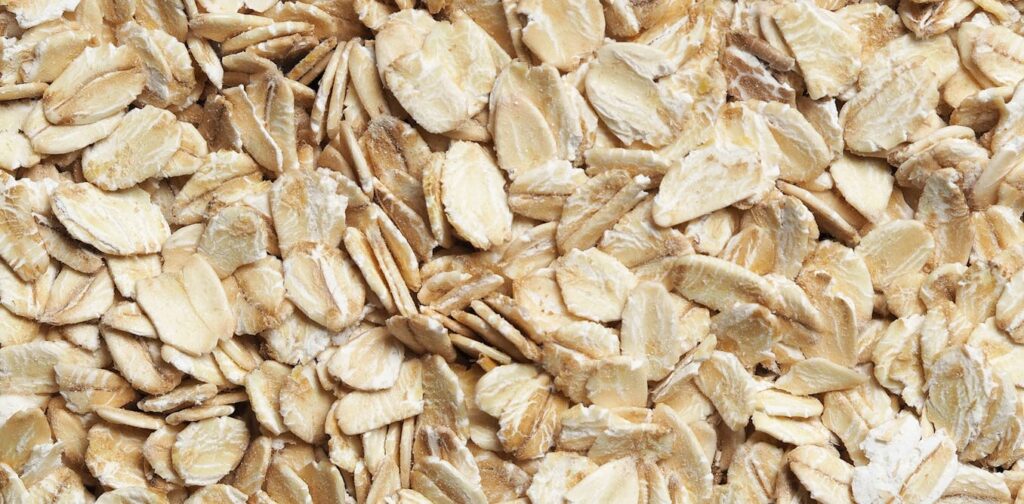
UPDATE: The latest social media sensation, oatzempic, is grabbing attention as users claim it offers effortless weight loss. Coined from the popular diabetes drug Ozempic, this oat-based drink has sparked countless viral videos on platforms like TikTok and Instagram, but experts warn of its effectiveness and safety.
Creators of the oatzempic drink typically blend one to two tablespoons of oats with water or juice, touting it as a “natural alternative” to weight loss medications. However, health professionals, including Lauren Ball, a dietitian and director at the National Health and Medical Research Council, confirm there is no scientific backing for these claims.
The surge in oatzempic popularity raises immediate concerns. While oats are known to contain beta-glucan, a soluble fiber that promotes feelings of fullness, the notion that oatzempic can replicate the appetite-suppressing effects of Ozempic is misleading. “Feeling full is not equivalent to achieving sustainable weight loss,” warns Ball.
Users are reporting feelings of fullness after consuming the drink, but experts highlight that this is due to the fiber content in oats, not a miracle weight-loss solution. Oats, along with other high-fiber foods, can support appetite control and improve blood glucose levels, but these benefits are realized within the context of a balanced diet, not through a standalone drink.
Critically, there are no peer-reviewed studies that endorse oatzempic for weight loss. No official recipes or recommended servings exist, making it challenging to determine its impact. Any weight loss observed by users could stem from reduced calorie consumption or lifestyle changes, not the drink itself.
There are risks associated with the trend. Oatzempic is low in essential nutrients and may lead to nutrient deficiencies if it replaces meals. Additionally, a sudden increase in fiber intake can result in gastrointestinal discomfort, especially for those unaccustomed to high-fiber diets.
While oatzempic may be a more nutritious choice for those who often skip meals, experts recommend a balanced approach. A simple smoothie with oats, fruit, and protein offers greater nutritional value and supports long-term health.
For sustainable weight management, professionals advocate for a multifaceted strategy: preparing healthy meals at home, staying hydrated, engaging in regular physical activity, and managing stress levels.
As this trend unfolds, it serves as a reminder that quick fixes are not substitutes for comprehensive health strategies. Consult with healthcare professionals for personalized dietary advice rather than relying on social media trends that lack scientific validation.
Stay tuned for more updates on this developing story as health experts continue to assess the implications of the oatzempic trend.