



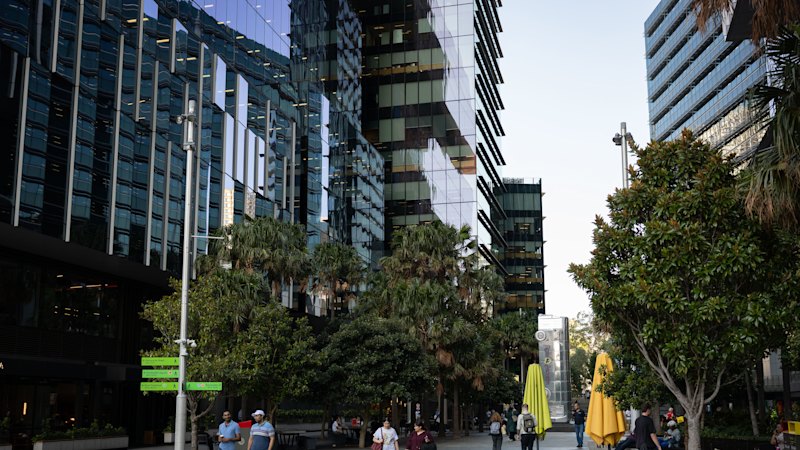
As Parramatta’s skyline evolves, a significant debate has emerged regarding the future use of space in the city’s central business district (CBD). City planners and developers are grappling with whether to prioritize office spaces or residential rentals as the population continues to grow. The outcome of this discussion will shape Parramatta’s economic landscape for years to come.
The City of Parramatta Council advocates for increased office space to accommodate a projected population growth. A recent council report emphasizes the necessity of maintaining and expanding employment floor space as a fundamental aspect of the city’s economic strategy. According to the council, the goal is to create an additional 150,000 jobs by 2050. Parramatta Lord Mayor Martin Zaiter articulated the importance of balancing residential density with job opportunities, stating, “The last thing you need is to just have houses within the Parramatta CBD… and then having to trek to the city or to other areas to find the job.”
This focus on preserving employment lands comes at a critical time, as the current housing affordability crisis pressures local authorities to convert these lands into residential use. The council’s report suggests that stringent planning controls are essential to protect the existing employment areas.
Despite these efforts, challenges persist. Recent data from the Property Council of Australia Office Market Report indicates that total office vacancy rates in Parramatta have climbed to 22.1 percent, marking an increase from 20 percent six months prior. This statistic positions Parramatta with the fifth-highest office vacancy rate in Australia. The available office spaces are often confined to specific floors, which limits opportunities for larger tenants seeking multi-level occupancy.
Amid these challenges, developers are exploring alternative economic models. The build-to-rent approach is gaining traction as a viable solution in western Sydney. This model focuses on generating long-term rental income rather than relying on pre-sales to fund construction. Ross Grove, the western Sydney regional director for the Property Council of Australia, noted, “Given that there are high vacancies across the A and B grades [office] stocks, build-to-rent is a good way to ensure that the city doesn’t become economically mothballed for the next 30 years.”
A notable example of this trend is the recently completed HOME Parramatta tower, a 47-storey build-to-rent development that opened in January 2026. Christian Grahame, the head of HOME, expressed optimism about the demand for residential properties in Parramatta. He highlighted the rapid leasing of units, noting that approximately 10 percent were leased within the first few weeks, primarily to local residents.
The discourse surrounding Parramatta’s urban development reflects a broader conversation about balancing housing needs with economic growth. As the city continues to evolve, the decisions made today will significantly influence its landscape and the lives of its residents. The City of Parramatta Council is tasked with navigating these complexities to ensure a sustainable future that supports both employment and housing demands.