


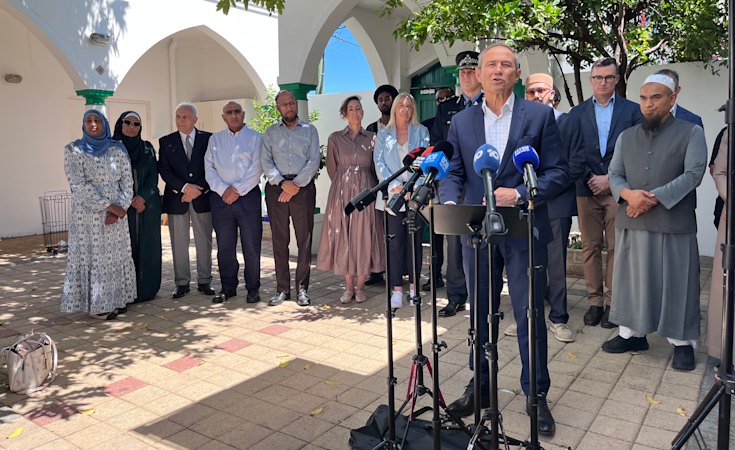

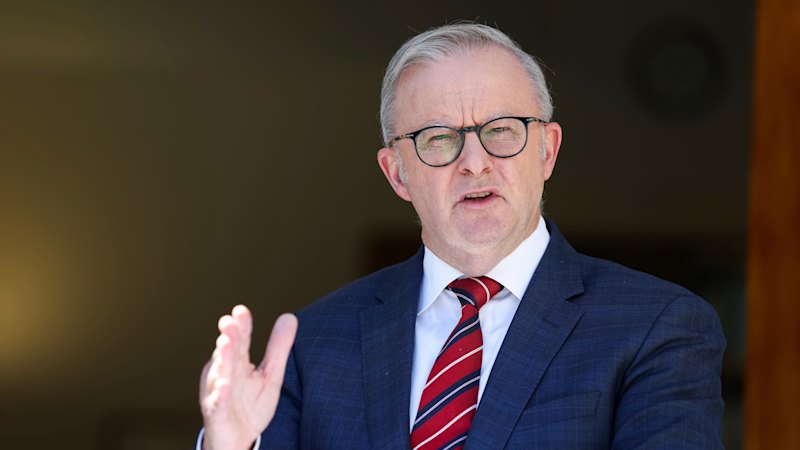
UPDATE: As Australia marks its 125th anniversary of federation, Prime Minister Anthony Albanese faces criticism for his optimistic reflections that overlook pressing social issues. The anniversary, celebrated on January 1, 2025, comes at a time when many Australians question the nation’s maturity in addressing systemic racism and political discord.
Public sentiment is shifting as voices from across the nation express deep concern over the Bondi Beach tragedy that occurred earlier this year, which left the nation reeling. Critics are calling for a royal commission to investigate the underlying causes of such violence, emphasizing the urgent need for comprehensive action against rising hate and discrimination.
“After 125 years, we should be celebrating our growth, yet we are faced with political sniping and a lack of unified leadership,” said Chris Rivers from Port Macquarie. As many Australians reflect on their identity, there is a palpable desire for a more cohesive and inclusive national character.
In a powerful response to the Prime Minister’s call for unity, Philip Cooney from Wentworth Falls highlighted the need for politicians to embody values of compassion and respect. “Time and again, we hear calls for harmony, but real change requires our leaders to step up and lead by example,” he stated, underscoring the frustrations of a populace eager for genuine representation.
The Bondi incident has amplified discussions about the effectiveness of the current government and its ability to address pressing social issues, particularly the needs of Indigenous people and the most vulnerable communities. Many Australians feel disenfranchised, calling for stronger action and accountability from their leaders.
In the wake of these events, the Prime Minister’s remarks on confronting antisemitism have been critiqued as narrowly focused. Activists argue that addressing radicalism and discrimination in all its forms is crucial for fostering a truly inclusive society. Riley Brown from Bondi Beach emphasized, “Your legacy as a national leader is at stake; you must protect all Australians.”
Moreover, the national discourse has shifted toward the need for immediate measures to combat hate and violence, alongside calls for a thorough inquiry into the social dynamics that led to the Bondi shootings. Simon Pitts from Riverview remarked, “The federal government can’t ignore the bleeding obvious. We need to know why this happened and how to stop it from happening again.”
As discussions continue, the public’s demand for transparency and action grows louder. The Prime Minister must now navigate these turbulent waters, balancing the celebration of Australia’s achievements with the urgent need to confront harsh realities.
What’s next? Australians are watching closely for the government’s response to these calls for action. The nation stands at a crossroads, where the ideals of unity and respect must translate into tangible change. As the 125th anniversary unfolds, the challenge remains: can Australia rise to meet its own expectations for maturity and leadership?
The coming weeks will be critical as citizens await a decisive response from their leaders. Will they heed the calls for compassion and action, or will another opportunity for progress slip away? The nation is poised for change—what happens next could redefine Australia’s future.