




The prospect of a merger between Rio Tinto and Glencore could reshape the commodities landscape, forming a combined entity worth $389 billion. This renewed interest in a merger not only underscores the complexities of cross-border transactions but also reignites discussions about the critical timing of investor disclosures.
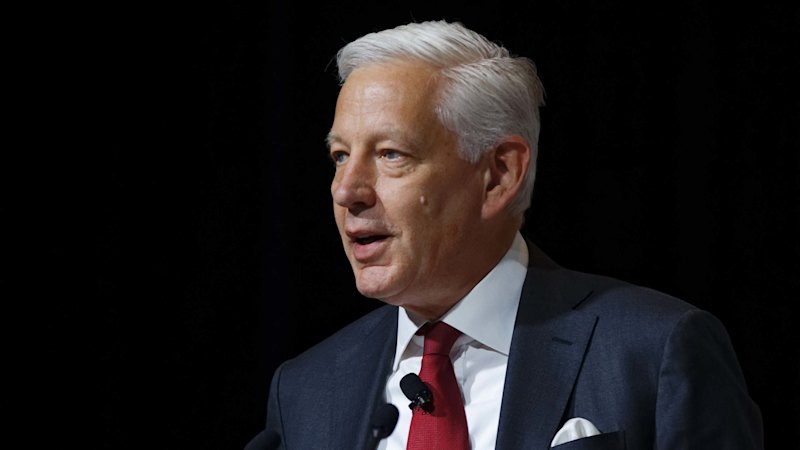
Negotiations between the two mining giants have been ongoing in secrecy, with no obligation to inform shareholders until the Financial Times revealed the talks last week. This prompted the boards of both companies to address the situation publicly, particularly after previous merger discussions faltered in late 2024. As conversations resumed, both companies now face a deadline; Rio Tinto’s board, led by Dominic Barton, must announce a “firm intention” to make an offer for Glencore by February 5, 2025, or inform investors of its decision not to proceed.
While the disclosure of the potential merger is seen as a positive move toward reducing information asymmetry, it also introduces uncertainty and risk for investors. Details about the structure of the transaction, including asset divestitures and proposed shareholder ratios, remain undisclosed.
Disclosure Practices Under Scrutiny
The situation highlights a broader debate concerning continuous disclosure obligations for companies listed on the Australian Securities Exchange (ASX). Recent acquisition proposals, including that of BlueScope by Steel Dynamics and SGH Limited, have sparked discussions about how boards interpret their disclosure responsibilities.
In the case of BlueScope, investors were not informed of a bid until it was publicly revealed by the Australian Financial Review on January 5. The board subsequently disclosed a $13.2 billion proposal but noted that it had previously rebuffed three unsolicited approaches. BlueScope argued that it preferred to wait until the new year to address the joint bid, describing it as “highly opportunistic.”
The ASX guidelines state that incomplete offers or negotiations do not necessarily require disclosure. Specifically, if an offer is deemed “insufficiently definite,” the parties involved may choose to keep it confidential. This creates a grey area for companies and investors alike regarding the timing and necessity of disclosures.
Impacts of Disclosure on M&A Activity
Research indicates that voluntary disclosure of merger offers can lead to improved outcomes for shareholders. A study conducted by Herbert Smith Freehills found that only 20 percent of non-binding indicative offers were voluntarily disclosed by targets from 2022 to 2024. In about 26 percent of those cases, a rival bid emerged, while a price increase was evident in another 26 percent.
An academic study published in 2024 in the Pacific-Basin Finance Journal analyzed the effects of continuous disclosure on shareholder returns. It found a positive correlation between ongoing disclosure efforts by bidders and market reactions during acquisition announcements. The research concluded that reduced information asymmetry enhances acquisition decisions and is rewarded by the capital market.
As companies navigate complex negotiations, the balancing act between maximizing offers and adhering to disclosure requirements remains paramount. This dynamic was evident when logistics firm Qube disclosed an $11.6 billion indicative bid from Macquarie. In this instance, the offer followed a prior undisclosed bid, illustrating the tactical maneuvering that often accompanies major transactions.
The discourse surrounding disclosure practices has become increasingly contentious, particularly in light of a $385 million bid from Credit Corp for Humm. The board faced criticism for delaying the announcement of the offer, which was disclosed nearly a month after the proposal was made. Activist shareholders have raised concerns about the timing of the disclosure and the potential influence of Humm’s chairman, Andrew Abercrombie, who increased his stake in the company shortly after the bid was made public.
In response to these concerns, Humm’s board defended its disclosure practices and reiterated compliance with legal requirements. As investor sentiment shifts ahead of a crucial meeting in February, the handling of such disclosures will undeniably influence the outcomes of these high-stakes negotiations.
The complexities of mergers and acquisitions continue to challenge companies, as the balance between strategic discretion and shareholder transparency remains a critical consideration. As Rio Tinto and Glencore move forward, the outcomes could set important precedents for future transactions in the commodities sector.