




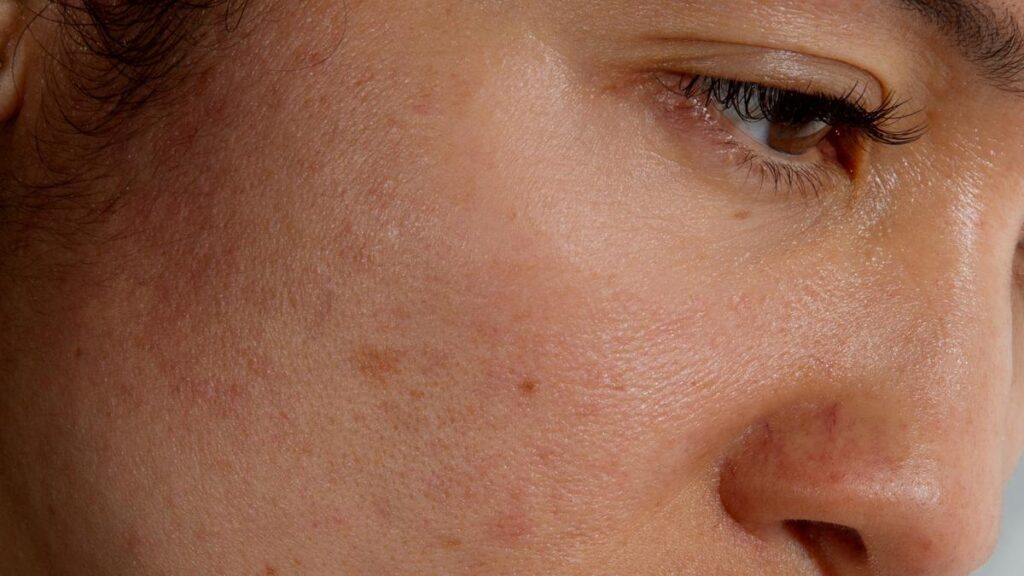
A closeup of a woman's face with red and inflamed skin in New York on Dec. 14, 2025. Scientists arenÕt entirely sure what causes rosacea, or why it intensifies as you get older, but they have some theories. (Eric Helgas/The New York Times)
URGENT UPDATE: New reports confirm that many individuals are experiencing intensified rosacea symptoms as they enter their 40s and 50s. Dermatologists are raising alarms about the worsening of this chronic skin condition, which affects millions worldwide.
Experts like Dr. Julie C. Harper from Birmingham, Alabama, state that symptoms such as frequent flushing, acne-like breakouts, and dilated blood vessels are becoming increasingly common in midlife. This trend is concerning for many, as rosacea is most frequently diagnosed in women and individuals with fair skin.
According to Dr. Marie Leger of New York City, the underlying cause of rosacea is still not fully understood, particularly the reasons it worsens as one ages. “Years of exposure to triggers can lead to chronic inflammation, which compromises the tissue around blood vessels,” she explained. This chronic inflammation may lead to permanent dilation of blood vessels, resulting in persistent redness and discomfort.
As reported by Dr. Dina Elrashidy from Chicago, symptoms usually “wax and wane” throughout a person’s life and can be exacerbated by environmental factors such as sun exposure, stress, and even dietary choices like spicy foods and alcohol. With the skin naturally thinning and drying with age, the visible effects of rosacea can become more pronounced.
The alarming rise in severe symptoms during perimenopause and menopause is also noted by dermatologists, though a clear hormonal connection has yet to be established. “Many patients report worsening symptoms as they transition through these life stages,” said Dr. Leger.
So, what can individuals do? Experts emphasize the importance of a multifaceted approach to managing rosacea:
– **Avoid Triggers**: Identifying personal triggers is critical. While some, like stress and sun exposure, are unavoidable, recognizing and managing others can significantly reduce flare-ups.
– **Use Gentle Products**: Dermatologists recommend moisturizing cleansers and soothing products like those containing glycerin or dimethicone. Avoiding scrubs and heavily scented items can prevent irritation.
– **Wear Sunscreen**: With sunlight being a common trigger, wearing a broad-spectrum sunscreen with at least SPF 30 is essential. Mineral sunscreens are often gentler and better tolerated.
– **Prescription Medications**: Topical treatments such as brimonidine gel and azelaic acid can effectively minimize persistent redness and inflammation. Oral antibiotics may also be necessary during severe flare-ups.
– **Laser Treatment**: For those with severe symptoms, laser therapy can shrink blood vessels and reduce redness. Typically, patients may require one to three treatments, followed by maintenance sessions annually.
Dermatologists urge anyone experiencing worsening rosacea symptoms to seek professional advice. “It’s never too early or too late to consult a dermatologist. A tailored management plan can significantly improve quality of life,” stressed Dr. Harper.
With the increasing prevalence of severe rosacea symptoms in midlife, it is crucial for individuals to take proactive measures. Understanding triggers and seeking effective treatments can empower patients to regain control and manage their skin health effectively.
Stay informed about your skin health and share this urgent news to help others dealing with similar issues.
