




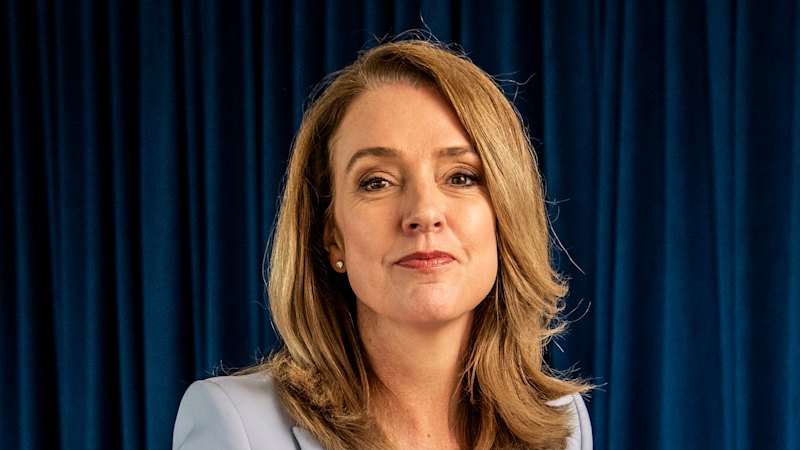
UPDATE: In a significant move for New South Wales businesses, Opposition Leader Kellie Sloane announced a deal that freezes workers’ compensation premiums for 18 months, providing immediate relief to employers facing soaring costs. The announcement was made just hours ago, marking a crucial turning point in the ongoing debate over workers’ compensation reforms.
This urgent agreement, negotiated with NSW Treasurer Daniel Mookhey, also extends medical benefits for seriously injured workers by an additional year, allowing them more time to heal and return to work. Sloane described the premium freeze as a “Christmas present” for businesses and non-profits, emphasizing the need for a “reset” in the current system.
The deal reflects an essential compromise that aims to stabilize the workers’ compensation system, which has faced criticism for failing both injured workers and employers. The changes, set to take effect when Parliament reconvenes in February 2024, come after Sloane’s negotiations with crossbenchers, including independent MP Alex Greenwich.
Under the new terms, the threshold for whole-person impairment for psychological injuries will increase from 20 percent to 25 percent by July 2026, further rising to 27 percent in July 2027, and 28 percent by July 2029. This adjustment aims to ensure that workers with genuine injuries receive the necessary support while allowing employers to have more transparent discussions regarding performance management.
Damien Tudehope, shadow treasurer, was praised by Sloane for his role in securing this deal. However, she stopped short of guaranteeing his position in the shadow cabinet, stating he would retain a “senior role” moving forward. This ambiguity has sparked speculation among political circles regarding future leadership changes.
Business NSW’s chief executive, Dan Hunter, expressed relief, stating that the deal offers much-needed stability for small businesses across the state. “Workers with genuine injuries will still be protected, but this change allows employers to have honest conversations with underperforming employees,” he noted.
“We don’t want people on workers’ comp for life,” Sloane emphasized. “The injured workers don’t want to be on workers’ comp for life. They want real dignity, they want more opportunities, and that’s what we’ve achieved through this deal.”
In addition to the premium freeze, the Coalition has secured new regulatory powers, enabling the treasurer to adjust the person-impairment threshold, should the new measurement tool fail to be developed. This layer of oversight is seen as a safeguard against potential future cuts to benefits.
Despite the positive reception from businesses, the deal has drawn criticism from union representatives and the Greens, who argue that it compromises the rights of seriously psychologically injured workers. Abigail Boyd, treasury spokeswoman for the Greens, condemned the agreement, branding it a capitulation to the government’s inadequate plan.
The stakes are high, as small businesses and community organizations have been bracing for steep premium increases set to take effect early next year. This deal aims to avert that crisis, signaling a moment of relief for many who were prepared for financial strain.
As the legislative details are finalized in the coming weeks, all eyes will be on how this agreement unfolds and what further implications it may have for the workers’ compensation landscape in NSW. The success of this deal could redefine the relationship between the government, businesses, and workers in the state.
Stay tuned for more updates as this story develops.
