




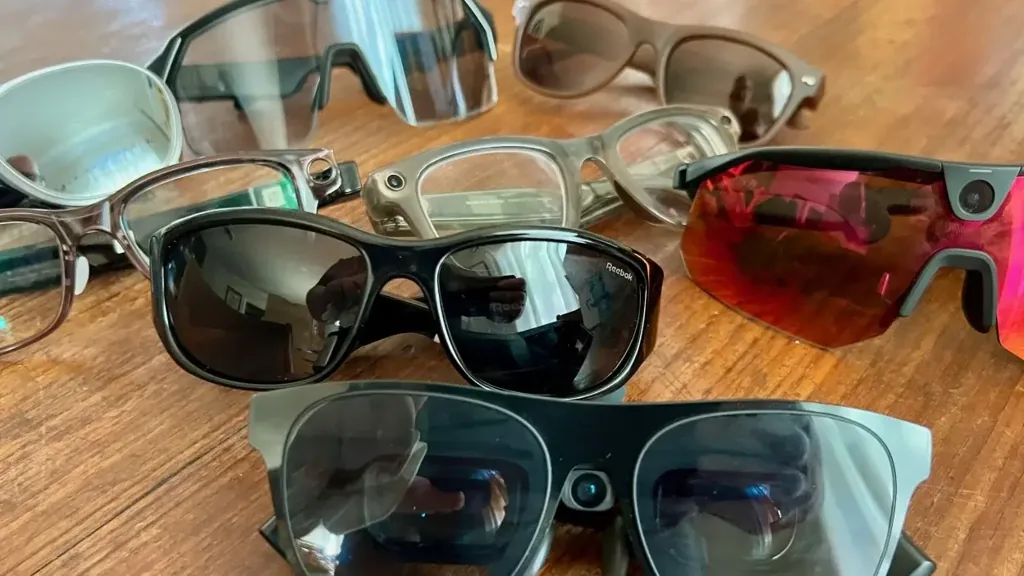
BREAKING NEWS: Smart glasses are on the brink of a revolutionary year, with sales expected to skyrocket from 6 million units in 2025 to 20 million in 2026. Analysts predict that this surge signals a shift as tech-savvy spectacles transition from niche gadgets to mainstream essentials.
The excitement stems from major tech giants like Apple and Google, who are poised to unveil groundbreaking models that could reshape personal technology. At the recently concluded CES 2026, several companies showcased cutting-edge smart glasses, setting the stage for an explosive market year.
Among the most notable announcements is the XReal 1S, featuring a staggering virtual display size of up to 500 inches, 3D augmented reality capabilities, and a stunning refresh rate of 120Hz. Priced at $449, these glasses promise to deliver an immersive experience powered by an onboard X1 chip.
Another standout is the Even Reality G2, designed for users seeking fashionable yet functional eyewear. With a sharper monochrome display and integrated AI for conversation suggestions, these stylish glasses are available now starting at $599.
The RayNeo Air 4 Pro offers a more entertainment-focused experience, featuring dual Micro-OLEDs creating a virtual 200-inch screen, HDR10 support, and high-fidelity Bang & Olufsen-tuned audio, all for an attractive price of $299. These are set to launch on January 25, 2026.
In a surprising move, XGimi has entered the market with its Memomind Air Display, known for its lightweight design and all-day battery life. Expected to hit the shelves around March 2026, these glasses are generating buzz for their stylish frames and integrated AI features.
Looking ahead, Google is rejoining the smart glasses arena after the initial launch of Google Glass. Collaborating with Samsung and others, the tech titan plans to release two Android-powered models: one focused on audio and another incorporating an in-lens display for real-time information.
Meanwhile, Apple is rumored to be pivoting toward smart glasses after a lukewarm reception of its VR gear. Expected features include built-in cameras and AI capabilities, although official announcements remain pending.
On the horizon, Snap aims to release augmented reality glasses by 2026, designed for seamless interaction with digital objects. However, not all companies are targeting consumers; Amazon plans to equip its delivery drivers with smart glasses to enhance navigation and safety.
Currently, Meta dominates the smart glasses market, holding 73% of the share as of 2025. Their success has set a high bar for competitors, though Meta has not disclosed plans for new releases in 2026.
The ultimate goal for smart glasses? To replace smartphones entirely. While that vision remains a few years away, industry experts agree that 2026 could be a pivotal year in transforming how we interact with technology.
As smart glasses continue to evolve, consumers can expect more innovations and options becoming available in the coming months. Watch for these developments as companies push the boundaries of what wearable tech can achieve.
Stay tuned for updates on this rapidly unfolding story, and prepare for a future where smart glasses become a staple in our daily lives.
