




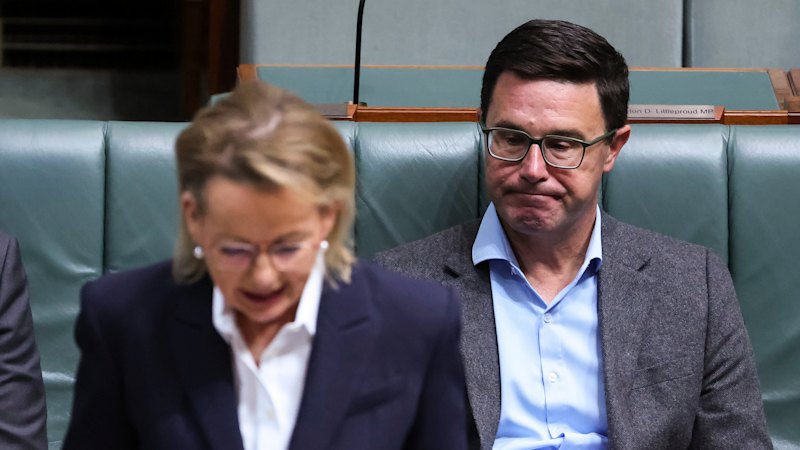
UPDATE: In a dramatic turn of events, Australian opposition leader Sussan Ley accepted the resignations of three Nationals senators from her shadow cabinet just hours after they defied a coalition agreement to support Labor’s new antisemitism, hate, and extremism laws. The resignations come amid a backdrop of political tension and uncertainty, raising questions about Ley’s leadership and the stability of the Coalition.
Late Tuesday evening, Senators Susan McDonald, Bridget McKenzie, and Ross Cadell voted against the legislation, which passed the Senate with a vote of 38 to 22. This swift decision followed a chaotic week marked by the Bondi terror attack and intense negotiations over the bill, drafted and voted on in an unprecedented hurry.
Ley’s response to the dissent highlights the challenges she faces within the Coalition. She had accepted the senators’ resignations the following day, attempting to assert her authority in a party struggling with internal divisions. The situation has been further complicated as emotions ran high and key figures within the Nationals expressed confusion over their positions, with Ley acknowledging, “They had three different positions across both houses of the parliament.”
The shadow cabinet had initially agreed to support the legislation, which grants new powers to the home affairs minister to outlaw membership in designated hate groups and cancel visas for individuals believed to be inciting hate. However, the dissenting senators claimed that no clear agreement existed, leading to their controversial votes against it.
Former Nationals leader Michael McCormack criticized the decision-making process, stating, “Was this decided at a joint party meeting where, as one, we would either vote for or against a bill? No, it wasn’t.” This division has prompted speculation about Ley’s position as she attempts to maintain order within the Coalition while managing dissent from the Nationals.
As the political landscape shifts, the ramifications of Ley’s decision are significant. Labor wasted no time framing the situation as evidence of dysfunction within the opposition. Public confidence in the Coalition is already teetering, with recent polling showing their primary vote near record lows. Each fracture in the Coalition only serves to embolden rivals like Pauline Hanson, who thrives on the notion that major parties are ineffectual and divided.
Ley’s choice to enforce discipline over leniency reflects a calculated risk. While the immediate fallout may deepen tensions with the Nationals, it also reinforces the need for a unified front within the Coalition. However, the question remains: does this decision strengthen the Coalition’s position, or does it merely delay the inevitable challenges ahead?
As the situation develops, all eyes will be on how Ley navigates these turbulent waters while seeking to restore faith in her leadership and the Coalition’s ability to govern effectively. With the political stakes rising, the urgency for clarity and unity in the opposition has never been more critical.
Stay tuned for ongoing updates as this story unfolds, and consider subscribing to our Inside Politics newsletter for expert analysis and insights.
