

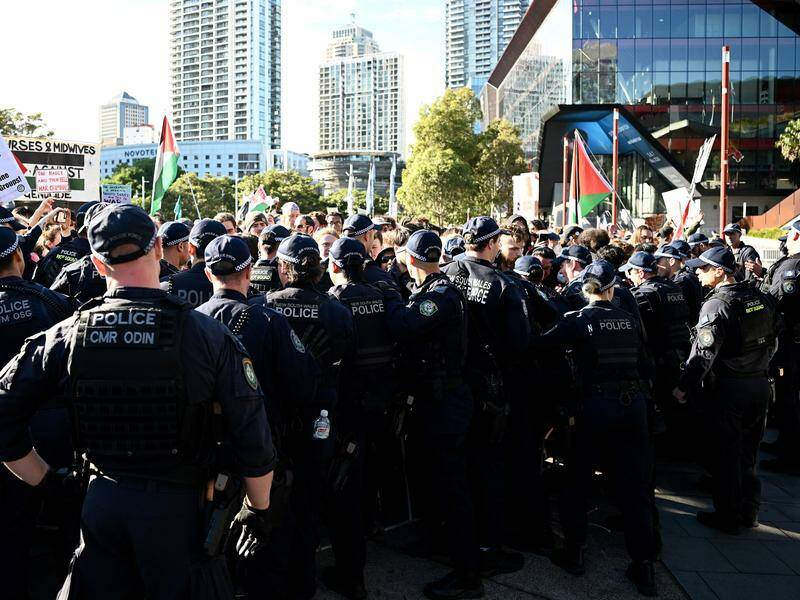
UPDATE: Sydney’s streets will see a continued protest ban for an additional two weeks, as authorities prioritize public safety following a recent terrorist attack in Bondi. NSW Police Commissioner Mal Lanyon announced the extension, asserting that this decision is crucial amidst rising community tensions.
The ban, which now extends until January 20, 2024, was enacted shortly after new laws were rushed through the NSW Parliament, enabling the commissioner to restrict public assemblies in key metropolitan areas following a declared terrorist incident. “We know that there is a heightened tension in the community,” Lanyon stated during a press conference. He emphasized, “this is not a time for protest… it’s about the community seeking peace.”
The restrictions apply to public assemblies in Sydney’s southwest, northwest, and central areas and can be renewed every two weeks for up to three months. While some protests, including a demonstration against US strikes on Venezuela, have occurred despite the ban, participants now risk arrest for obstructing traffic or pedestrians without official authorization.
Civil liberties advocates have condemned the ban as “chilling” and divisive. Timothy Roberts, President of the NSW Council for Civil Liberties, criticized the government’s actions, stating, “The chilling effect of the lack of authorisation only adds to these divisions.” Roberts accused the government of prioritizing quiet over genuine peace, expressing concern for the implications on free speech.
Lanyon assured the public that he would utilize his powers “responsibly and transparently,” inviting peaceful protesters to express their views without fear of repercussions as long as they do not commit offences or threaten others.
The ongoing ban raises concerns about future protests, particularly those scheduled against US actions in Venezuela, the annual Invasion Day protest, and the impending visit from Israeli President Isaac Herzog later in January. Roberts noted, “We’re all now at the whim of the police commissioner’s subjective assessment about what is and isn’t a reasonable protest,” further highlighting the growing anxiety surrounding civil liberties.
NSW Police Minister Yasmin Catley backed Lanyon’s decision, affirming the government’s commitment to ensure police have the necessary powers to maintain community safety. However, critics argue the ban disproportionately targets voices calling for justice. Sue Higginson, a member of the NSW Greens, remarked, “These are the hallmarks of people driving democracy into decline.”
In response to the controversial measures, a constitutional challenge spearheaded by the Palestine Action Group, Jews Against the Occupation ’48, and the Blak Caucus is set to be filed this week, indicating growing resistance to the government’s approach.
As the situation unfolds, the community remains on edge, with protests expected to continue despite the looming restrictions. Stay tuned for updates on this developing story as the implications of the protest ban resonate across Sydney and beyond.