



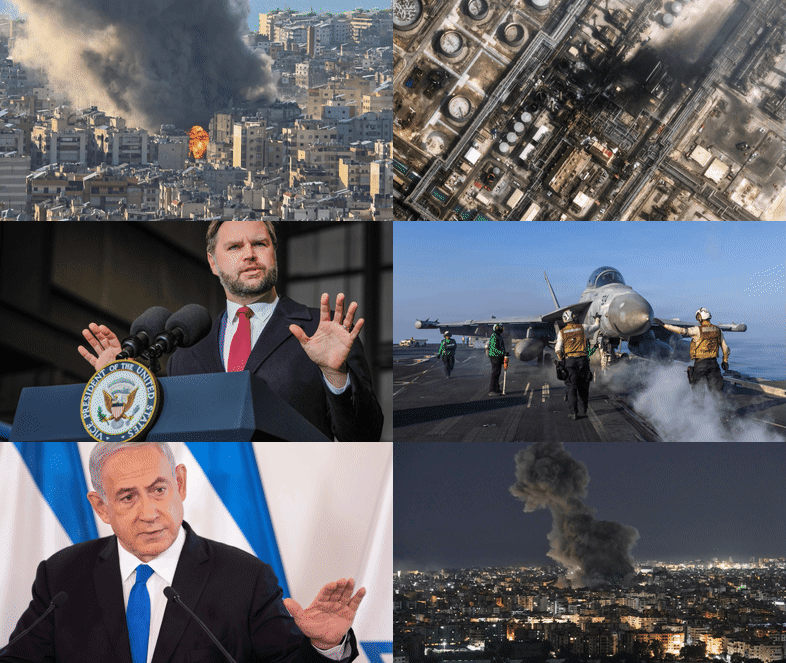
Hostilities between the United States and Iran have intensified, leading to a significant humanitarian crisis in the region. The conflict has resulted in rising death tolls and widespread displacements, particularly affecting Lebanon. As the situation unfolds, international concerns regarding oil and gas supplies are mounting, especially following Iran’s closure of the critical Strait of Hormuz.
According to the United Nations High Commissioner for Refugees (UNHCR), nearly 30,000 individuals have sought refuge in shelters across Lebanon since the outbreak of violence between Israel and Hezbollah on March 4, 2024. UNHCR spokesperson Babar Baloch noted, “Conservative estimates suggest that nearly 30,000 people were hosted and registered at collective shelters.” Many others have resorted to sleeping in their vehicles or remain trapped in traffic jams, highlighting the precarious situation faced by civilians in the region.
In a separate development, the International Atomic Energy Agency (IAEA) has confirmed that Iran’s Natanz nuclear facility has sustained damage due to strikes attributed to the US and Israel. The IAEA reported, “Based on the latest available satellite imagery, IAEA can now confirm some recent damage to entrance buildings of Iran’s underground Natanz Fuel Enrichment Plant (FEP).” Fortunately, the agency indicated that there are no expected radiological consequences from this incident, although the facility was already severely impacted during previous conflicts.
The humanitarian impact of the ongoing conflict is stark. The Red Crescent Society has reported that the death toll in Iran has reached 787. Meanwhile, the human rights organization Hengaw has reported even higher casualties, estimating at least 1,500 fatalities, including 200 civilians and 1,300 Iranian soldiers. These figures are being compiled amid significant internet disruptions across Iran, complicating efforts to gather accurate data.
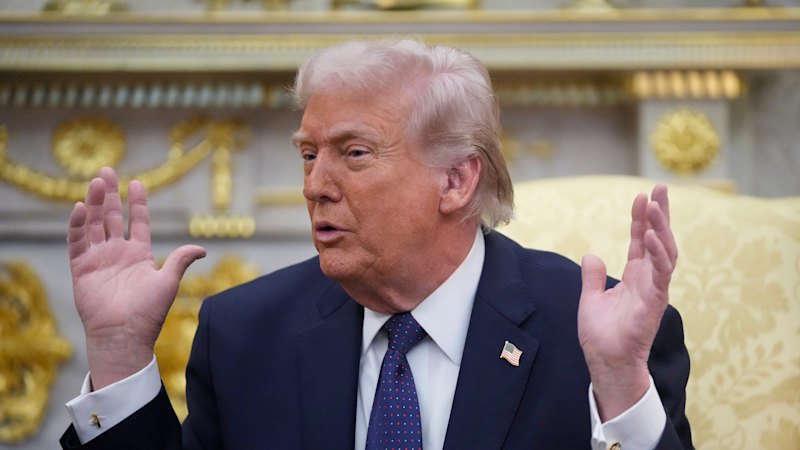
With the conflict escalating, US President Donald Trump has warned of potential further strikes, increasing fears of broader military engagement. The situation remains fluid, with world leaders closely monitoring developments, especially concerning energy markets, as the Strait of Hormuz is a vital route for global oil transportation.
In summary, the conflict between the US and Iran has led to a significant humanitarian crisis, displacing thousands and resulting in a rising death toll. As international tensions grow, the world watches closely, with implications for both regional stability and global energy supplies.