


URGENT UPDATE: Tesla’s Big Battery at Hornsdale Power Reserve in South Australia has become a game-changer for the nation’s energy grid, delivering significant savings and stability in real-time. After a round trip of over 2,000 km, a recent visit reveals the profound impact this facility has had on Australia’s transition to renewable energy.
This week, I embarked on a journey from Wodonga to Adelaide, culminating in a visit to Hornsdale, which serves as a critical asset in Australia’s National Electricity Market. It’s hard to believe that nearly a decade has passed since this ambitious project was first announced, originally sparked by a bold Twitter exchange between Elon Musk and Mike Cannon-Brookes in 2017. The stakes were high: Musk pledged that Tesla could install 100 MW of storage within 100 days or it would be free. Cannon-Brookes took the challenge, and history was made.
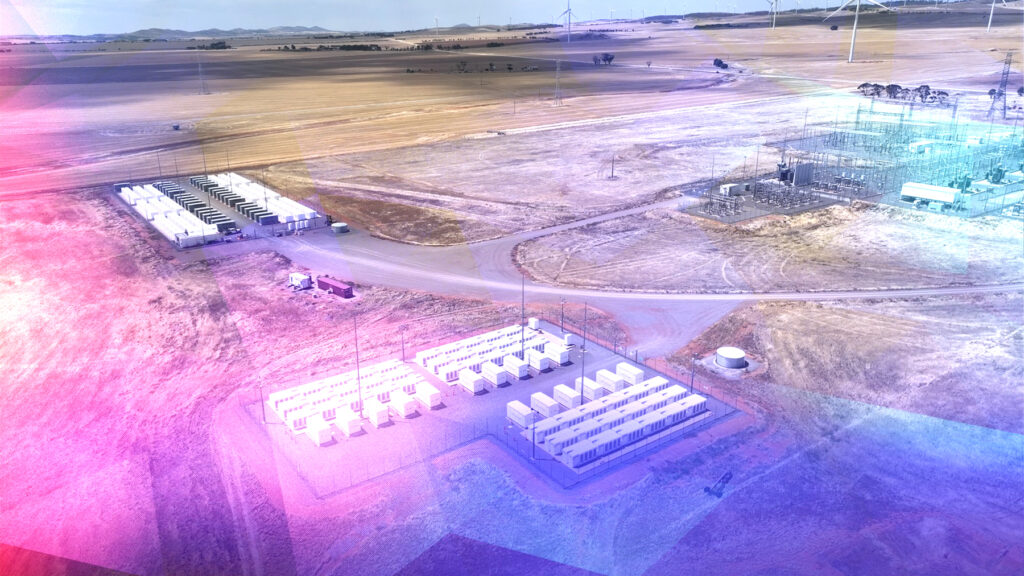
Traveling 226 kilometers north of Adelaide to reach Hornsdale, the scale of the facility is astonishing. Rows of Tesla megapack units quietly store energy, showcasing a modern solution to energy challenges that traditional plants can’t match. The site’s access is restricted, but visitors can observe the massive substation responsible for delivering clean, reliable power to the grid.
Hornsdale’s success is remarkable. Initially constructed to combat grid instability, it has now expanded to a total capacity of 150 MW with the introduction of “Virtual Machine Mode.” This innovative feature allows the battery to emulate traditional power plants, providing essential inertia and stabilizing the grid. Incredibly, it now supplies about 15% of South Australia’s inertia needs, drastically reducing reliance on costly, polluting gas plants.
The implications are profound. Analysis shows that Hornsdale has saved the Australian energy market over A$150 million in its early years. The Australian Energy Market Operator (AEMO) utilizes the battery for Frequency Control Ancillary Services (FCAS), maintaining grid stability and driving down service costs by an astounding 90%.
As I drove back to Wodonga, the optimism for Australia’s energy future was palpable. The transition from coal-based systems to a fast, distributed network of renewable sources is not just theoretical; it’s actively happening. With goals of reaching 82% renewable energy by 2030, Hornsdale serves as a proof-of-concept, inspiring a wave of similar projects across the nation.
The Hornsdale Power Reserve is not just an energy facility; it symbolizes a shift in how we think about energy storage and management. This transformative project has set the stage for trillions in global investments, firmly establishing Australia as a leader in energy technology.
For those considering this journey, visiting Hornsdale is more than just a road trip—it’s an inspiring reminder of how innovative thinking can reshape an industry. For more information, visit https://hornsdalepowerreserve.com.au/.
Stay tuned for ongoing updates as Australia continues its bold energy transformation.