


Screenshot
UPDATE: The Trump administration’s recent actions regarding Venezuela have ignited a wave of international concern, raising alarms about potential global repercussions. This development could set a dangerous precedent, prompting other nations to challenge established international laws.
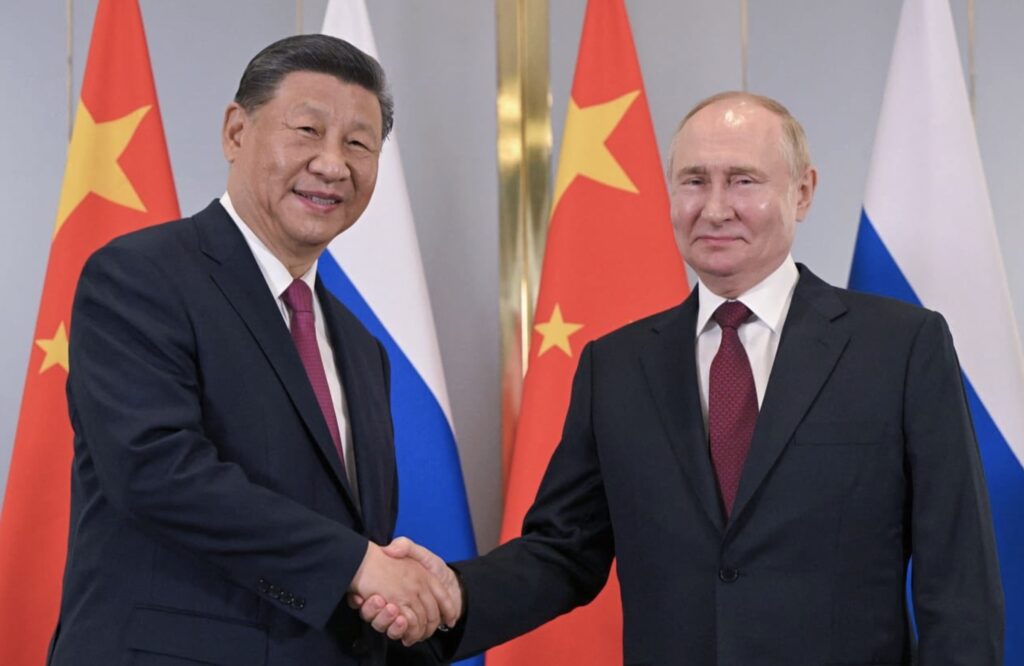
Just announced: Trump’s administration’s intervention in Venezuela is seen as a blatant act of aggression, inviting scrutiny from global leaders. The implications extend beyond Latin America, as experts warn that countries like China and Russia may exploit this situation to justify their own aggressive maneuvers.
In a significant investigation by the New York Times, key motivations behind the U.S. involvement were revealed: Secretary of State Marco Rubio targeted Venezuela for its ties to Cuba, while Homeland Security Adviser Stephen Miller focused on issues of drugs and migration. However, critics argue that the core reason lies in the nation’s oil reserves, rather than the alleged dictatorship of President Nicolás Maduro.
Why this matters now: This escalation in U.S. foreign policy has unsettled the global order, with legal scholars like Oona Hathaway from Yale Law School warning that such unilateral actions threaten the very foundation of international law. “What’s to stop Russia, China, or anyone else from doing the same?” Hathaway emphasized in a recent interview.
As the international community grapples with these developments, the geopolitical landscape is shifting. The Trump administration’s actions could embolden leaders in countries like China, potentially leading to an increase in military aggression, particularly concerning Taiwan.
In a surprising turn, the Russian Foreign Ministry condemned the U.S. actions as “armed aggression,” highlighting a rare moment of alignment with global concerns about American foreign policy. Their statement criticized the U.S. for prioritizing ideological conflicts over productive diplomatic relations.
Meanwhile, nations like Australia, which have aligned closely with U.S. military strategies, are left reconsidering their positions amidst fears of declining U.S. influence. The implications of this new dynamic raise questions about regional security and alliances.
What’s next? As tensions mount, observers are urging immediate dialogue and restraint to prevent further escalation. The potential for instability in the Americas could have cascading effects worldwide, impacting not only U.S. relations but also the strategic calculations of rising powers like China.
The global community is watching closely as this situation unfolds, with the hope that a diplomatic resolution can be achieved before further damage is done. As nations weigh their options, the need for calm and measured responses has never been more critical.
Stay tuned for more updates as this urgent situation develops.